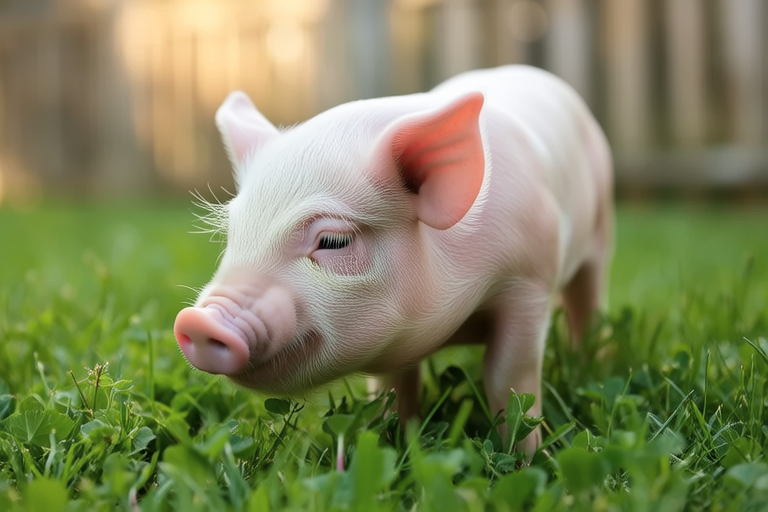
Mini Pigs: The Surprising Facts About Keeping One as a Pet
In recent years, there has been a noticeable surge in the popularity of mini pigs as pets. Their endearing appearance, coupled with their relatively manageable size, has made them a desirable choice for many animal lovers. However, despite their appealing qualities, mini pigs come with unique care requirements that potential owners must understand fully before making the commitment. This article delves into the fascinating world of mini pigs, covering everything from their diverse sizes to dietary needs, intelligence, and the responsibilities of ownership.
The Growing Trend of Mini Pigs as Pets
The rise in mini pig popularity can be attributed to several factors. First, these animals offer an alternative to traditional pets such as dogs and cats, providing a novel experience for pet enthusiasts. Second, advancements in breeding have led to the development of various mini pig breeds, each with its own distinct characteristics. From micro-mini pigs, which weigh around 20 pounds, to standard mini pigs, which can reach up to 75 pounds, the variety caters to different preferences and living spaces. It’s crucial for prospective owners to research thoroughly and select a breed that best suits their lifestyle.
Variations in Size Among Mini Pigs
Mini pigs come in a range of sizes, from micro-mini pigs to standard mini pigs. Micro-mini pigs, also known as teacup pigs, are the smallest variety and typically weigh between 20 and 60 pounds when fully grown. They are often marketed as tiny pets suitable for apartment living. Standard mini pigs, on the other hand, can grow much larger, reaching weights of up to 75 pounds. Despite their smaller size compared to their full-grown counterparts, these pigs still require ample space and attention. Understanding the potential size of your mini pig is vital for ensuring it lives comfortably and healthily.
Dietary Needs: Nourishing Your Mini Pig
One of the most critical aspects of mini pig care is their diet. Mini pigs are omnivores, meaning they need a balanced diet that includes both plant and animal-based foods. A nutritious diet is essential to prevent health issues such as diabetes, a common problem among pigs due to their tendency to overeat. High-quality commercial pig feed formulated specifically for mini pigs is recommended. These feeds are designed to meet the nutritional requirements of pigs and help maintain their overall health. Additionally, fresh fruits and vegetables can be incorporated into their diet in moderation. However, certain foods like avocados, chocolate, and onions should be avoided as they can be toxic to pigs.
Intelligence and Social Nature
Mini pigs are highly intelligent animals, often compared to dogs in terms of trainability. They possess the ability to learn commands and tricks, making them engaging companions. Training sessions should be kept short and positive, using treats and praise to reinforce good behavior. Their social nature makes them thrive in environments where they receive regular interaction and attention. Mini pigs are capable of forming strong bonds with their owners and can even develop personalities similar to those of dogs. Regular interaction and mental stimulation are key to keeping your mini pig happy and healthy.
Misconceptions About Mini Pigs
There are several misconceptions surrounding mini pigs that potential owners should be aware of. One common myth is that mini pigs can live in small spaces. In reality, while they may be smaller than standard pigs, mini pigs still require ample space to move around and exercise. Another misconception is that mini pigs have shorter lifespans. In fact, mini pigs can live for 15 to 20 years with proper care. Lastly, some people believe that mini pigs don’t need regular exercise. However, like all animals, mini pigs benefit from daily physical activity to maintain their health and prevent obesity.
Selecting the Right Mini Pig
Choosing the right mini pig involves careful consideration. It’s important to research reputable breeders and visit the piglets at a young age to observe their temperament and health. Look for signs of good health, such as clear eyes, clean ears, and a glossy coat. Additionally, ask about the pig’s lineage and any health issues within the family. Once you’ve selected your mini pig, understanding its behavior is crucial. Mini pigs are curious and investigative by nature, so providing safe toys and activities can help keep them entertained. Regular veterinary check-ups are also necessary to ensure your pig remains healthy.
Tips for Ensuring Well-Being
To ensure the well-being of your mini pig, follow these tips:
- Provide a spacious living area with plenty of room to move around.
- Feed a balanced diet rich in nutrients.
- Engage in regular training and play sessions.
- Keep their living environment clean and hygienic.
- Ensure access to fresh water at all times.
- Schedule routine veterinary visits for check-ups and vaccinations.
The Joys and Responsibilities of Owning a Mini Pig
Owning a mini pig can be a rewarding experience filled with joy and companionship. However, it also comes with significant responsibilities. Providing proper care, attention, and a nurturing environment is essential for your pig’s well-being. With the right knowledge and dedication, you can enjoy a fulfilling relationship with your mini pig. Remember, owning a mini pig is a long-term commitment, and it requires patience, love, and consistent effort. By understanding the unique needs of your mini pig, you can ensure a happy and healthy life for both you and your pet.
