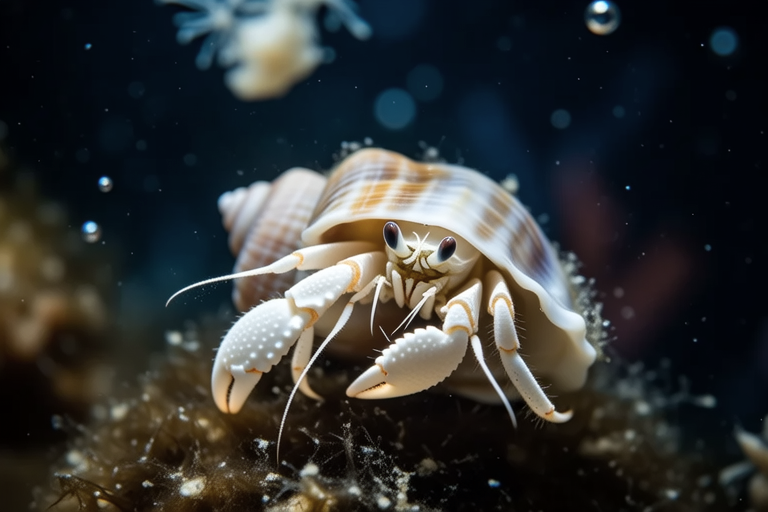
Hidden Heroes of the Sea: The Story of Pea Crabs
In the vast and mysterious world of the ocean, there exists a group of tiny, unassuming creatures that have mastered the art of living in harmony with their surroundings. These are the pea crabs, small crustaceans known for their unique lifestyle as the only true endosymbionts among all crustacean species. Their story is one of remarkable adaptation, intricate relationships, and a vital role in marine ecosystems. This article delves into the fascinating world of pea crabs, exploring their habitat, their symbiotic relationships, and their significance in maintaining the delicate balance of ocean life.
A Unique Lifestyle: The Only True Endosymbionts Among Crustaceans
Pea crabs, belonging to the family Pinnotheridae, are named for their size, which is comparable to that of a pea. Unlike most crabs, which live independently or in colonies, pea crabs have adapted to live inside the bodies of other sea creatures, making them the only true endosymbionts within the crustacean class. This unique lifestyle sets them apart from their relatives and has allowed them to thrive in environments where other species might struggle.
The term “endosymbiont” refers to an organism that lives inside another organism, benefiting from the host’s resources while often providing some form of benefit in return. For pea crabs, this relationship is particularly beneficial, as it provides them with protection, a stable food source, and a controlled environment that shields them from many of the dangers of the open ocean.
Habitat and Symbiotic Relationships
Pea crabs are primarily found in coastal waters around the world, inhabiting the gill chambers or mantle cavities of bivalves such as mussels and clams. These bivalves, in turn, attach themselves to various substrates including rocks, seaweed, and even man-made structures like piers and ships. The specific choice of host can vary depending on the species of pea crab and the geographical location, but the common thread is the provision of a safe, enclosed space.
The symbiotic relationship between pea crabs and their hosts is mutually beneficial. For the pea crabs, the bivalve’s body offers protection from predators and harsh environmental conditions. In exchange, the pea crabs may provide some cleaning services by consuming detritus and parasites, although the extent of this contribution remains a subject of ongoing research. Additionally, the presence of pea crabs can influence the behavior and health of their hosts, sometimes leading to changes in growth rates or reproductive success.
This relationship highlights the complexity of marine ecosystems and the interdependence of species within them. By understanding these interactions, we gain insight into the broader dynamics of ocean life and the intricate web of relationships that sustain it.
Anatomy and Reproduction
Despite their small size, pea crabs possess several anatomical features that are well-suited to their unique lifestyle. Their flattened bodies allow them to fit comfortably within the narrow confines of their hosts’ shells, while their long legs and claws enable them to move efficiently within these spaces. The carapace, or hard outer shell, is typically smooth and lacks the spines or ridges common in other crab species, further aiding in their mobility within the tight quarters.
Reproduction in pea crabs is a fascinating process that involves both internal fertilization and external egg-laying. Males and females engage in courtship behaviors before mating, and once fertilized, the female carries her eggs externally until they hatch. The larvae then enter the water column, where they undergo several stages of development before settling into a suitable host. This reproductive strategy ensures that pea crabs can continue to thrive in their specialized niche.
Interestingly, the sex ratio of pea crabs tends to favor females, which may be an evolutionary adaptation to maximize reproductive success given the limited space available within each host. This imbalance suggests that the availability of suitable hosts plays a crucial role in determining population dynamics and could be a key factor in the conservation of these species.
Threats and Conservation Challenges
Despite their adaptability and successful symbiotic relationships, pea crabs face numerous challenges in their environment. One of the primary threats comes from human activities, particularly overfishing and pollution. As populations of their hosts decline due to overfishing, the number of potential homes for pea crabs decreases, putting pressure on their survival. Pollution, especially from chemicals and plastics, can also harm both pea crabs and their hosts, further disrupting their delicate balance.
Climate change poses additional risks, as rising sea temperatures and ocean acidification can affect the health and survival of both pea crabs and their hosts. Changes in water chemistry can weaken the shells of bivalves, making them more susceptible to predation and disease. As a result, the stability of pea crabs’ habitats is increasingly threatened, and without intervention, their populations may continue to decline.
To address these challenges, conservation efforts must focus on protecting both pea crabs and their hosts. This includes implementing sustainable fishing practices, reducing pollution, and mitigating the impacts of climate change. By safeguarding the ecosystems in which pea crabs live, we can help ensure their continued existence and the preservation of marine biodiversity.
The Importance of Preserving Hidden Heroes
The story of pea crabs underscores the importance of preserving not just the charismatic megafauna of the ocean but also the smaller, less visible species that play critical roles in maintaining ecosystem health. While they may not command the same attention as whales or sharks, pea crabs are vital contributors to the complex web of life in the sea.
By protecting pea crabs and their hosts, we contribute to the overall resilience of marine ecosystems. These hidden heroes remind us that every species, no matter how small, has a part to play in the grand tapestry of life. Their survival depends on the health of their environment, and by ensuring that their habitats remain intact, we can help maintain the rich diversity of life that makes our oceans so extraordinary.
In conclusion, pea crabs are more than just tiny crustaceans; they are unsung heroes of the sea. Their unique lifestyle, intricate symbiotic relationships, and vital role in marine ecosystems make them deserving of our attention and protection. As we strive to understand and conserve the wonders of the ocean, let us not forget the hidden heroes that call the depths home.
