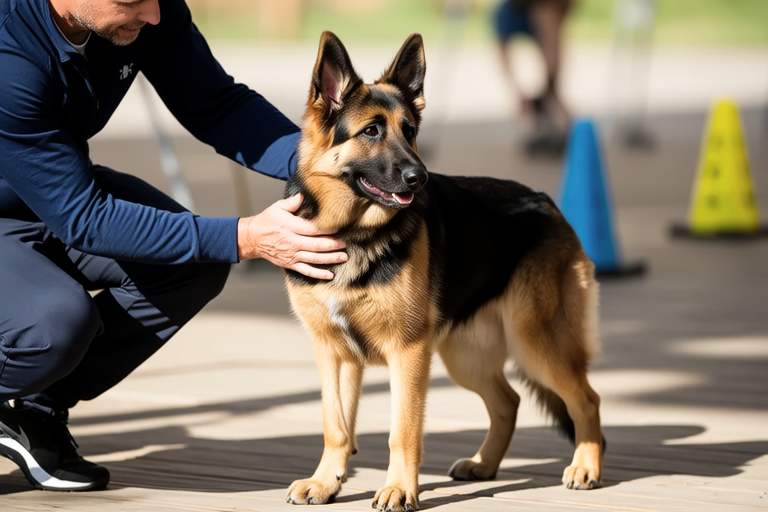
From Puppy to Prodigy: The Ultimate Guide to Raising a Happy German Shepherd
Welcome to the comprehensive guide designed to help you raise a happy, healthy, and well-behaved German Shepherd. This breed is known for its loyalty, intelligence, and versatility, making it a favorite among families and professionals alike. However, raising a German Shepherd requires dedication and knowledge to ensure they grow into a well-adjusted adult dog. This article will cover everything from initial selection and adoption to maintaining their physical and mental health.
Initial Selection and Adoption
Selecting the right German Shepherd puppy is crucial for setting the foundation of your relationship with your pet. When choosing a breeder, look for one who prioritizes the health and temperament of their dogs. Reputable breeders conduct genetic testing for common hereditary conditions such as hip dysplasia and elbow dysplasia, ensuring that their puppies have the best chance at good health.
Puppies from responsible breeders are also socialized early, which is vital for their development. Early socialization helps them become comfortable around people, other animals, and various environments. A well-socialized puppy will be more confident and adaptable, reducing the likelihood of developing fear-based behaviors later in life.
When meeting potential puppies, observe how they interact with humans and other dogs. Look for a balanced temperament, neither overly shy nor overly bold. Puppies that show curiosity and friendliness are often the best candidates for a loving home.
Early Socialization and Training Techniques
The first few months of a German Shepherd’s life are critical for their development. Positive reinforcement training is highly effective for this intelligent breed. Reward-based training methods encourage desirable behaviors while discouraging unwanted ones. Using treats, praise, and play as rewards can strengthen the bond between you and your puppy while teaching them essential commands like sit, stay, come, and down.
Consistency is key when training your German Shepherd. Establish clear rules and expectations from the beginning, and reinforce them consistently. For example, if you want your dog to stay off the furniture, make sure everyone in the household enforces this rule. Inconsistency can lead to confusion and behavioral issues.
German Shepherds are known for their protective instincts. While this trait can be beneficial, it’s important to manage it properly. Expose your puppy to various stimuli, including different sounds, sights, and people, to help them develop appropriate responses. Controlled exposure during their formative period can prevent excessive shyness or aggression.
Nutrition and Health Maintenance
Proper nutrition is essential for the growth and development of a German Shepherd. High-quality dog food that meets AAFCO (Association of American Feed Control Officials) standards is recommended. These foods provide the necessary nutrients, vitamins, and minerals required for optimal health.
A balanced diet should include proteins, fats, carbohydrates, vitamins, and minerals. Proteins are particularly important for muscle development, while fats provide energy and support brain function. Carbohydrates offer sustained energy, and vitamins and minerals are vital for overall health.
Regular veterinary check-ups are crucial for maintaining your German Shepherd’s health. Annual visits allow your vet to monitor your dog’s weight, dental health, and overall well-being. Vaccinations and preventive care, such as heartworm and flea/tick prevention, should be part of your routine.
Exercise is equally important for your German Shepherd’s health. Regular physical activity helps maintain a healthy weight and supports joint health. German Shepherds are energetic dogs that require daily exercise to burn off excess energy and maintain muscle tone.
Exercise and Mental Stimulation Needs
German Shepherds are active dogs that need regular exercise to stay physically and mentally stimulated. Daily walks, runs, and play sessions are essential for their well-being. These activities not only help them burn off energy but also provide opportunities for bonding and learning.
Mental stimulation is just as important as physical exercise. Puzzle toys, obedience training, and interactive games can keep your German Shepherd engaged and entertained. Mental challenges help prevent boredom, which can lead to destructive behavior.
Interactive play, such as fetch or tug-of-war, can also serve as a form of exercise and mental stimulation. These activities not only promote physical fitness but also enhance your dog’s problem-solving skills and social interactions.
Common Behavioral Issues and Solutions
Despite their intelligence and trainability, German Shepherds can exhibit behavioral issues if not properly managed. Some common problems include separation anxiety, excessive barking, and resource guarding.
Separation anxiety occurs when a dog becomes distressed when left alone. To address this issue, gradually increase the time your dog spends alone, starting with short periods and gradually increasing the duration. Providing a safe space, such as a crate or designated area, can also help your dog feel secure.
Excessive barking can be managed through positive reinforcement training. Teach your dog a ‘quiet’ command and reward them when they stop barking on command. Consistency is key in establishing this behavior.
Resource guarding, where a dog becomes possessive over food, toys, or other items, can be addressed through desensitization and counterconditioning. Gradually introduce others to your dog while they are eating or playing with toys, rewarding calm behavior. Over time, your dog should become less territorial over their possessions.
Tips for Fostering a Strong Bond
The bond between you and your German Shepherd is the cornerstone of a happy and healthy relationship. Building trust and respect is essential for creating a strong bond. Spend quality time together, engage in activities that both of you enjoy, and establish clear communication.
Positive reinforcement is an excellent way to build trust and respect. Reward your dog for good behavior and ignore unwanted behavior whenever possible. Consistency in your approach will help your dog understand what is expected of them.
Spending time outdoors, whether hiking, running, or simply exploring, can also strengthen your bond. These shared experiences create lasting memories and reinforce the connection between you and your dog.
In conclusion, raising a happy and healthy German Shepherd requires dedication, patience, and knowledge. By following the guidelines outlined in this article, you can ensure that your German Shepherd grows into a well-adjusted, loyal companion. Remember, every dog is unique, so adapt these suggestions to suit your individual pet’s needs.
