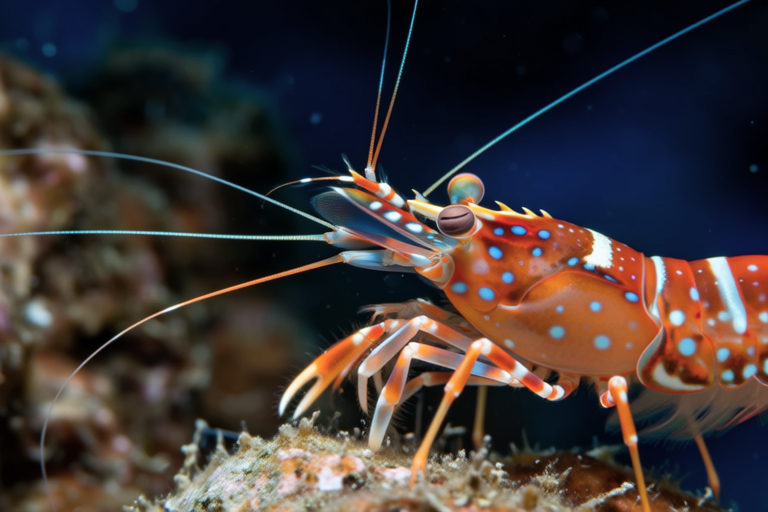
Coral Shrimp Unveiled: Everything You Need to Know Before You Buy
Welcome to the vibrant world of coral shrimp! These fascinating creatures have become increasingly popular among aquarists for their striking appearance and beneficial role in maintaining a healthy aquarium ecosystem. Whether you’re a seasoned aquarist or just starting out, this guide will provide you with all the essential information you need to know before adding coral shrimp to your tank.
Introduction to Coral Shrimp
Coral shrimp (Stenopus hispidus), also known as cleaner shrimp or scarlet cleaner shrimp, are small crustaceans native to tropical and subtropical waters. They are part of the Palaemonidae family and are widely recognized for their distinctive red and white coloration. Coral shrimp play a crucial role in marine ecosystems by cleaning parasites and dead tissue from larger fish. Their presence can significantly enhance the health and beauty of your aquarium.
Natural Habitat
In their natural environment, coral shrimp inhabit coral reefs, rocky crevices, and areas with plenty of hiding spots. They are commonly found in the Indo-Pacific region, including the Red Sea, the Great Barrier Reef, and the Caribbean. These environments offer abundant food sources and shelter, which are essential for their survival. Understanding their natural habitat helps recreate similar conditions in your aquarium, ensuring the well-being of your coral shrimp.
Ideal Tank Conditions
To maintain a thriving coral shrimp population, it’s vital to replicate their natural environment as closely as possible. Here are some key factors to consider:
- Water Parameters: Coral shrimp prefer water temperatures between 72°F and 80°F (22°C and 27°C). The pH should be maintained between 8.1 and 8.4, and the specific gravity should range from 1.023 to 1.025. Regular testing and monitoring of these parameters are crucial for their health.
- Tank Size: A minimum tank size of 20 gallons is recommended for a small group of coral shrimp. Larger tanks provide more space for exploration and reduce stress.
- Hiding Spots: Coral shrimp require ample hiding spots such as caves, rocks, and live rock. These structures mimic their natural habitat and offer refuge from potential predators and stressors.
- Filtration: Efficient biological filtration is necessary to maintain water quality. Avoid overly strong currents that could disorient the shrimp.
Diet Requirements
Coral shrimp are omnivorous and feed on various food sources, including algae, detritus, and small organisms. In the wild, they also clean parasites and dead tissue from larger fish. To ensure a balanced diet, provide a variety of foods:
- Algae Wafers: High-quality algae wafers are excellent for providing essential nutrients.
- Detritus: Small particles of uneaten food and organic matter are part of their diet.
- Commercial Foods: Specialized shrimp pellets or flakes designed for marine invertebrates can be beneficial.
- Live Food: Occasionally offering brine shrimp or other small live foods can stimulate their natural feeding behavior.
Common Health Issues
While coral shrimp are generally hardy, certain conditions can affect their health. Some common issues include:
- Parasites: Introducing new fish or invertebrates can introduce parasites. Quarantine new additions to prevent contamination.
- Environmental Stress: Poor water quality or sudden changes in temperature can stress the shrimp, making them more susceptible to diseases.
- Overfeeding: Excessive feeding can lead to poor water quality and digestive issues. Feed sparingly and monitor their eating habits.
Compatibility with Other Aquarium Inhabitants
Coral shrimp are generally peaceful and can coexist with a wide range of tank mates. However, there are some considerations:
- Small Fish: Peaceful small fish like guppies, tetras, and clownfish are suitable companions. Avoid aggressive or large predatory fish that may harm the shrimp.
- Invertebrates: Compatible invertebrates include hermit crabs, snails, and sea stars. Avoid placing them with aggressive or competitive species.
- Plants: Live plants provide additional hiding spots and contribute to a healthy ecosystem.
Breeding Information
Breeding coral shrimp in captivity can be challenging but rewarding. Males and females can be distinguished by subtle differences in size and coloration. Successful breeding requires:
- Mating Rituals: Observe the mating process, where males perform a courtship dance to attract females.
- Egg Care: After mating, females carry fertilized eggs under their abdomen. Provide optimal water conditions to support the development of the eggs.
- Hatching: Once hatched, larvae require specialized care, including appropriate food and environmental conditions.
Essential Tips for New Owners
Here are some valuable tips to help you successfully keep coral shrimp in your aquarium:
- Gradual Acclimation: Slowly acclimate new shrimp to your tank’s water conditions to avoid shock.
- Regular Maintenance: Perform routine water changes and monitor water parameters to maintain a healthy environment.
- Observation: Regularly observe your shrimp for any signs of stress or illness. Early detection can prevent more serious issues.
- Patience: Coral shrimp may take time to adjust to their new surroundings. Give them time to settle in and explore their environment.
By following these guidelines, you can ensure a happy and healthy coral shrimp population in your aquarium. Enjoy the rewarding experience of nurturing these beautiful and beneficial creatures.
