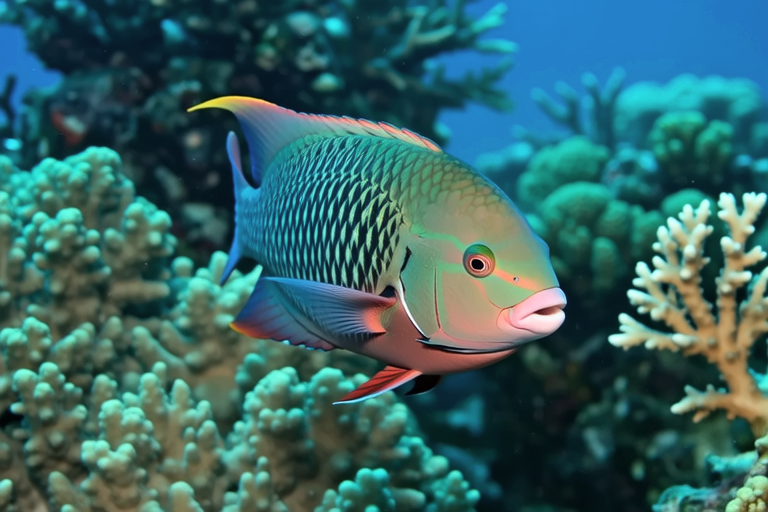
The Colorful World of Parrot Fish: A Dive into Their Unique Traits
Welcome to the vibrant underwater world of parrot fish! These fascinating creatures are known for their striking colors and play a crucial role in marine ecosystems. Found predominantly in tropical and subtropical waters, parrot fish add a splash of color to coral reefs, making them a favorite among divers and snorkelers. With their distinct physical features, intriguing behaviors, and significant ecological roles, parrot fish are truly one-of-a-kind. In this article, we will dive deep into the colorful world of parrot fish, exploring their unique traits and the challenges they face.
Introduction to Parrot Fish
Parrot fish, belonging to the family Scaridae, are named for their beak-like mouths, which resemble the beaks of parrots. They are found throughout the world’s oceans, particularly in coral reefs and rocky shores. These fish come in a wide range of colors, from bright yellows and oranges to electric blues and purples, making them stand out in their natural habitats. Their vibrant hues serve several purposes, including camouflage, attracting mates, and warding off predators.
Physical Characteristics
Parrot fish vary greatly in size, shape, and coloration. The smallest species, such as the blue-green parrot fish (Scarus ghobban), grow up to 45 centimeters in length, while larger species like the humphead parrot fish (Bolbometopon muricatum) can reach lengths of over 1 meter. Their bodies are generally compressed and oval-shaped, with large scales and a prominent dorsal fin. Parrot fish have robust teeth arranged in rows, forming a beak-like structure, which they use to scrape algae from rocks and coral.
Color variations among parrot fish are extensive and often linked to their age and gender. Juvenile parrot fish tend to have duller colors compared to adults, which helps them blend in with their surroundings. As they mature, their colors become more vibrant, signaling readiness for reproduction. Male parrot fish often exhibit more intense colors than females, particularly during mating season. Some species, like the queen parrot fish (Scarus vetula), display striking patterns and colors, making them highly sought after by aquarium enthusiasts.
Behavioral Traits
Parrot fish have several unique behaviors that make them fascinating to observe. One of the most intriguing aspects of their behavior is their sleeping pattern. At night, many species of parrot fish secrete a mucous cocoon around their bodies, believed to mask their scent from potential predators. This protective mucus also acts as a barrier against parasites and harmful bacteria.
Feeding habits of parrot fish are equally captivating. These fish primarily feed on algae growing on coral reefs and rocks. Using their strong beaks, they scrape away layers of coral, digesting the algae within. This process plays a critical role in maintaining the health of coral reefs. By removing excess algae, parrot fish help prevent coral from being smothered and allow new growth to thrive.
Parrot fish also exhibit territorial behavior, especially during breeding seasons. Males establish territories and engage in elaborate courtship displays to attract females. Once mating occurs, females release eggs, which are then fertilized by the males. The fertilized eggs float to the surface, where they hatch into tiny larvae. After several weeks, the larvae descend to the ocean floor, where they begin their journey as juvenile parrot fish.
Critical Role in Coral Reef Maintenance
The feeding habits of parrot fish have a significant impact on the health and resilience of coral reefs. By consuming algae, they prevent overgrowth, which could otherwise choke corals and hinder their ability to photosynthesize. Additionally, the act of scraping algae off coral surfaces creates small spaces for new coral polyps to settle and grow. This process, known as bioerosion, is essential for the continuous turnover of reef material, ensuring the structural integrity of coral formations.
Parrot fish also contribute to the formation of sand in tropical environments. When they digest the calcium carbonate from coral and rocks, their waste products are excreted as fine particles, which eventually accumulate on beaches. This process is responsible for creating much of the white sand found in tropical areas, adding to the allure of these destinations for tourists.
Unique Traits and Adaptations
One of the most remarkable adaptations of parrot fish is their ability to change sex. Many species of parrot fish are sequential hermaphrodites, meaning they can switch between male and female reproductive stages during their lifetime. Typically, younger individuals start as females and later transition to males. This flexibility in sex roles allows populations to adjust to changing environmental conditions and ensures genetic diversity.
Another unique trait of parrot fish is their ability to produce sound. While not vocal like mammals, parrot fish can create sounds by grinding their pharyngeal teeth, which may serve as a form of communication or territorial display. This auditory capability adds another layer of complexity to their interactions within the reef ecosystem.
Conservation Efforts and Threats
Despite their vital role in marine ecosystems, parrot fish face numerous threats that endanger their survival. Overfishing is one of the primary concerns, as many species are targeted for their meat and vibrant colors, leading to population declines in some areas. Habitat destruction, caused by coastal development, pollution, and climate change, further exacerbates the problem. Rising sea temperatures and ocean acidification pose additional risks to both parrot fish and the coral reefs they depend on.
Efforts to conserve parrot fish populations are underway globally. Marine protected areas (MPAs) have been established in many regions to safeguard critical habitats and reduce fishing pressures. Sustainable fishing practices, such as limiting catch sizes and implementing seasonal closures, are also being promoted. Education and awareness campaigns aim to inform local communities and tourists about the importance of preserving these colorful creatures and their ecosystems.
In conclusion, parrot fish are not only visually stunning but also indispensable components of marine ecosystems. Their vibrant colors, unique behaviors, and crucial roles in maintaining coral reefs make them worth protecting. By understanding and addressing the challenges they face, we can ensure the continued existence of these fascinating fish and the vibrant underwater worlds they inhabit.
