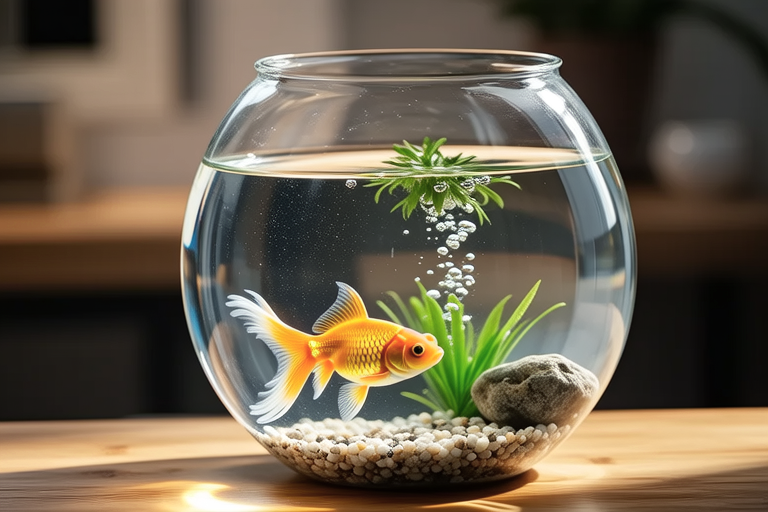
The Ultimate Guide to Setting Up the Perfect Goldfish Habitat
Goldfish are among the most popular fish for home aquariums, known for their vibrant colors and graceful swimming. However, setting up the perfect goldfish habitat requires careful planning and attention to detail. This guide will walk you through the essential steps to create a healthy and thriving environment for your goldfish.
Choosing the Right Tank Size
One of the first decisions you’ll need to make is selecting the appropriate tank size for your goldfish. It’s crucial to provide ample space for them to swim freely. A general rule of thumb is that each goldfish requires at least 20 gallons of water. Larger tanks offer more stability in water parameters and reduce stress on the fish.
Filtration Systems
An efficient filtration system is vital for maintaining clean and healthy water. Goldfish produce a significant amount of waste, so a filter that can handle the tank volume effectively is necessary. Consider filters with multiple stages of filtration, including mechanical, biological, and chemical filtration. These systems help remove debris, break down harmful ammonia, and absorb odors.
Water Quality Maintenance
Maintaining excellent water quality is key to keeping goldfish healthy. Regular water changes (about 10-20% weekly) and monitoring water parameters such as pH, ammonia, nitrite, and nitrate levels are essential. Use test kits to check these levels regularly and ensure they remain within safe ranges. Water changes should be done carefully to avoid shocking the fish with sudden changes in water chemistry.
Temperature Control
Goldfish prefer cooler water temperatures, typically between 68°F and 74°F (20°C to 23°C). While they can tolerate slightly higher temperatures, it’s best to keep them within this range. An aquarium heater may be necessary if your room temperature fluctuates or is too warm. However, avoid overheating the water, as it can lead to stress and illness in goldfish.
Substrate Options
The choice of substrate can affect the appearance and functionality of your goldfish tank. Gravel or sand are popular choices, but avoid small grains that can get stuck in the fish’s gills. Larger gravel sizes are easier to clean and less likely to cause issues. Additionally, consider substrates that match the aesthetic you’re aiming for and complement the overall look of your tank.
Appropriate Decorations
Decorations not only enhance the visual appeal of your tank but also provide hiding spots and stimulation for your goldfish. Incorporate items like caves, plants, and driftwood. Ensure that all decorations are non-toxic and smooth to prevent injury. Avoid sharp edges that could harm your fish.
Plant Choices
Adding live plants to your goldfish tank can significantly improve water quality by absorbing nitrates and providing oxygen. Some suitable plants include java moss, anubias, and vallisneria. These plants are hardy and can thrive in the conditions goldfish prefer. Floating plants can also be beneficial, offering shade and reducing algae growth.
Cycling the Tank
Before introducing goldfish to their new home, it’s crucial to cycle the tank. This process establishes beneficial bacteria that convert harmful ammonia into less toxic substances. Cycling typically takes 4-6 weeks. During this time, monitor ammonia and nitrite levels closely. Once these levels stabilize, it’s safe to add your goldfish.
Tips for Feeding and Maintaining a Healthy Environment
Feed your goldfish a balanced diet consisting of high-quality pellets or flakes designed for goldfish. Avoid overfeeding, as excess food can pollute the water. Limit feedings to twice daily, giving them only what they can consume in about two minutes. Regularly clean the tank and maintain proper filtration to ensure a healthy environment.
Common Mistakes to Avoid
Avoid overcrowding the tank, as it can lead to poor water quality and stress. Also, refrain from adding too many decorations or plants, which can obstruct swimming areas. Lastly, be cautious about introducing new fish or objects without properly quarantining them to prevent the spread of diseases.
Conclusion
Setting up the perfect goldfish habitat involves careful consideration of various factors, from tank size and filtration to water quality and plant choices. By following these guidelines, you can create a beautiful and functional environment that promotes the health and happiness of your goldfish. Remember, the key to a successful goldfish tank lies in providing a stable, clean, and stimulating living space.
