The Ultimate Betta Feeding Guide: Ensuring Optimal Health and Growth
Introduction
Proper nutrition is the cornerstone of any pet’s well-being, and this holds true for betta fish as well. Providing your betta with the right diet ensures optimal health, vibrant coloration, and longevity. Understanding the specific dietary needs of bettas can be challenging, especially for first-time owners. This guide aims to equip you with the knowledge necessary to nourish your betta correctly, from selecting appropriate food to recognizing signs of a balanced diet.
Understanding Betta Fish Dietary Needs
Betta fish, also known as Siamese fighting fish, are carnivorous by nature. In the wild, they primarily consume small insects, insect larvae, and other tiny aquatic organisms. As pets, their diet should closely mimic these natural food sources to maintain their health and vitality. The key nutrients that bettas need include protein, fats, vitamins, and minerals. A well-balanced diet supports their immune system, enhances color, and promotes healthy growth.
Types of Food Suitable for Betta Fish
Bettas thrive on a variety of foods designed to meet their nutritional requirements. High-quality commercial betta pellets and flakes are widely available and provide a good base for their diet. These products are formulated to offer a balanced mix of proteins, fats, and essential vitamins and minerals. Additionally, live or frozen foods such as bloodworms, brine shrimp, and daphnia can be introduced occasionally to supplement their diet and stimulate feeding responses. It’s important to note that while these treats are beneficial, they should not form the entire diet due to potential nutrient imbalances.
Frequency and Portion Control of Feedings
Feeding bettas too much or too little can lead to health problems. A general guideline is to feed adult bettas twice daily, providing only what they can consume within two minutes. Younger bettas may require more frequent feedings, typically three times a day, but always ensure portions are small enough to prevent overfeeding. Overfeeding can cause bloating, swim bladder disorders, and poor water quality, which can stress the fish and lead to disease.
Tips for Transitioning Bettas to New Foods
Introducing new foods gradually helps prevent digestive upset and encourages acceptance. Start by mixing a small amount of the new food with the current diet and slowly increase the proportion of the new food over several days. This method allows the betta’s digestive system to adjust to the new food type. If the betta shows reluctance to eat the new food, patience is key; some bettas take longer to adapt than others.
Common Feeding Mistakes to Avoid
One of the most common mistakes is overfeeding, which can lead to obesity and poor water quality. Another frequent error is feeding inappropriate foods like human food scraps, which can be harmful due to their high fat and salt content. Additionally, failing to rotate foods can result in nutritional deficiencies. Always aim for a varied diet that includes both dry and live or frozen foods to ensure a balanced intake of all necessary nutrients.
Signs of Proper Nutrition and Potential Health Issues Due to Improper Diet
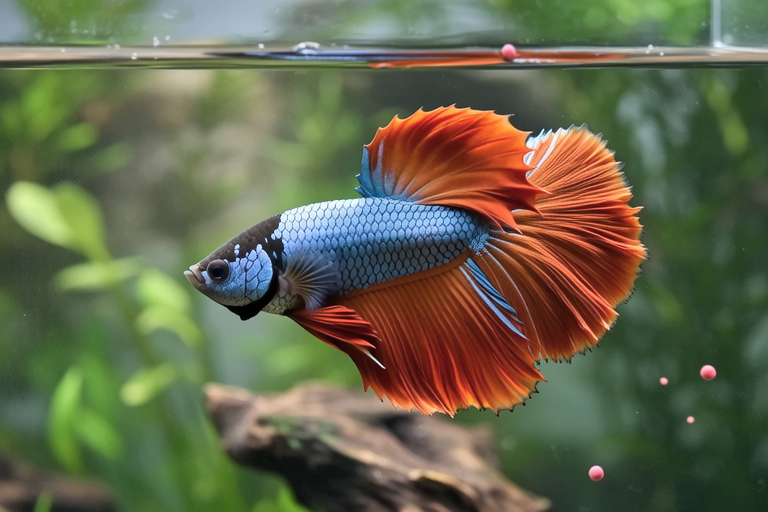
A properly fed betta will exhibit bright colors, active behavior, and a sleek body shape. Conversely, signs of malnutrition or improper diet can include dull colors, lethargy, bloating, and difficulty swimming. Poor water quality, often a result of overfeeding, can exacerbate these symptoms. Regular observation of your betta’s appearance and behavior is crucial for early detection of dietary-related issues.
Maintaining Water Quality Related to Feeding Habits
Water quality plays a significant role in maintaining your betta’s health. After feeding, uneaten food can decompose, leading to ammonia spikes and other pollutants that stress the fish. To mitigate this, perform regular partial water changes and ensure the tank is equipped with adequate filtration. Feeding smaller portions and removing uneaten food promptly can also help maintain cleaner water conditions.
In conclusion, feeding your betta correctly is fundamental to its overall health and happiness. By understanding their dietary needs, choosing the right foods, and maintaining optimal feeding practices, you can ensure your betta leads a long and vibrant life. Remember, every betta is unique, so it may take some experimentation to find the perfect balance for your particular fish.
