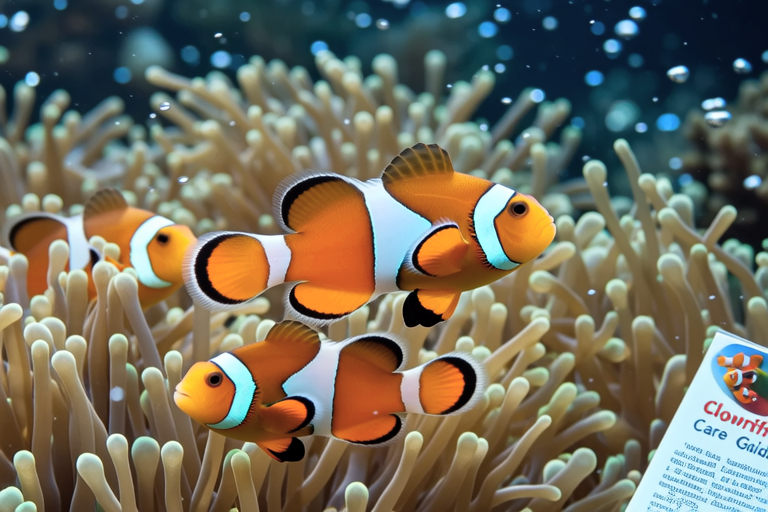
Clownfish Care Guide: Tips for Keeping Nemo Happy at Home
Welcome to your ultimate guide on how to care for clownfish! Whether you’re a beginner or an experienced aquarist, this comprehensive guide will provide you with all the essential information you need to ensure that your clownfish, affectionately known as ‘Nemo’, thrives in its new home.
Understanding Clownfish
Clownfish, scientifically known as Amphiprioninae, are small, brightly colored fish that are popular among aquarium enthusiasts. They are famous for their symbiotic relationship with sea anemones in the wild. These vibrant fish are native to the tropical waters of the Indo-Pacific region, where they live in close proximity to sea anemones, which protect them from predators. In captivity, they can be a delightful addition to any saltwater aquarium, provided they are given the right conditions to thrive.
Setting Up the Perfect Habitat
The first step in keeping your clownfish happy is to create a suitable habitat. A well-planned aquarium provides a safe and stimulating environment for these fish, allowing them to explore and interact naturally.
Tank Size and Layout
Clownfish require a minimum tank size of 30 gallons (114 liters) for a single pair. However, larger tanks are recommended if you plan to house multiple clownfish or other marine species. The tank should have ample swimming space and hiding spots, such as caves and rocky structures. These features mimic their natural reef environment and reduce stress.
Water Parameters
Maintaining stable water conditions is crucial for the health of your clownfish. Here are the ideal parameters:
- Temperature: 76°F to 82°F (24°C to 28°C)
- pH: 8.1 to 8.4
- Specific Gravity: 1.020 to 1.025
- Ammunia: 0 ppm
- Nitrite: 0 ppm
- Nitrate: Less than 20 ppm
Regular testing and monitoring of these parameters will help maintain a healthy environment for your fish.
Lighting and Filtration
Proper lighting and filtration are vital for simulating a natural reef environment. Use full-spectrum LED lights to replicate daylight cycles and promote photosynthesis in live rock and corals. Choose a high-quality filter that provides mechanical, biological, and chemical filtration to keep the water clean and clear.
Suitable Tank Mates
Clownfish are generally peaceful and can coexist with various other marine species. However, it’s important to choose compatible tank mates carefully to avoid aggression or territorial disputes.
- Peaceful Fish: Damsels, tangs, and wrasses are good companions for clownfish.
- Invertebrates: Cleaner shrimp, hermit crabs, and starfish can also be added to the tank.
- Other Clownfish: Clownfish can be kept in pairs or small groups, but it’s best to introduce them simultaneously to prevent aggression.
Always research potential tank mates before adding them to your aquarium to ensure compatibility.
Diet and Feeding
Clownfish are omnivorous, meaning they eat both plant-based and animal-based foods. Providing a balanced diet is key to their health and longevity.
- Flake Foods: High-quality flake food designed for marine fish.
- Frozen Foods: Brine shrimp, mysis shrimp, and bloodworms.
- Algae-Based Foods: Spirulina flakes or pellets.
- Variety: Feed your clownfish a variety of foods to ensure they receive all necessary nutrients.
Feed your clownfish 2-3 times a day, offering only what they can consume within a few minutes to prevent overfeeding.
Breeding Clownfish
Breeding clownfish can be a rewarding experience for advanced aquarists. It requires specific environmental conditions and careful planning.
Pair Formation
Clownfish are monogamous and form strong pair bonds. To encourage breeding, introduce a young male and female into the same tank simultaneously. They will establish a territory and begin courtship behaviors.
Spawning Conditions
To induce spawning, increase the water temperature slightly to 82°F (28°C), and ensure there is plenty of live rock for the pair to build their nest. The female will lay eggs on a flat surface, typically a rock or piece of glass. The male will then fertilize the eggs and guard them until they hatch.
Care for Fry
Once the eggs hatch, the fry will remain attached to the substrate for a few days. At this stage, feed them infusoria or rotifers. As they grow, transition to brine shrimp nauplii and finely crushed flake food. Maintain pristine water conditions throughout the rearing process.
Common Diseases and Health Issues
Like any living creature, clownfish are susceptible to certain health issues. Early detection and treatment are crucial for maintaining their wellbeing.
Freshwater Ich
Ich is a parasitic infection that appears as white spots on the fish’s body. Symptoms include lethargy, rubbing against objects, and rapid breathing. Treat ich with copper-based medications or by increasing the temperature to 86°F (30°C) for several days.
Fin Rot
This bacterial infection causes the fins to fray and deteriorate. Keep the tank clean and treat with antibiotics if necessary.
Swim Bladder Disorder
Swim bladder disorder affects the fish’s buoyancy, causing them to float or sink. This condition can be caused by overfeeding or poor water quality. Adjust feeding habits and improve water conditions to alleviate symptoms.
Maintenance Tips
Regular maintenance ensures that your clownfish remain healthy and happy. Follow these tips to keep your aquarium thriving:
Water Changes
Perform weekly water changes of 10-20% to remove toxins and replenish essential minerals. Use a high-quality salt mix to match the specific gravity of your tank.
Filter Maintenance
Clean your filter media monthly to prevent clogging and maintain efficient filtration. Replace carbon and mechanical filters as needed.
Monitoring Equipment
Check your thermometer, hydrometer, and test kits regularly to ensure accurate readings. Replace old equipment when necessary.
Conclusion
By following this comprehensive guide, you’ll be well-equipped to provide a stable and enriching environment for your clownfish. Remember, patience and attention to detail are key to ensuring the health and happiness of these fascinating creatures. With proper care and maintenance, your clownfish will bring joy and beauty to your home for years to come.
