Top Secrets for Thriving Your Three-Striped Box Turtle at Home
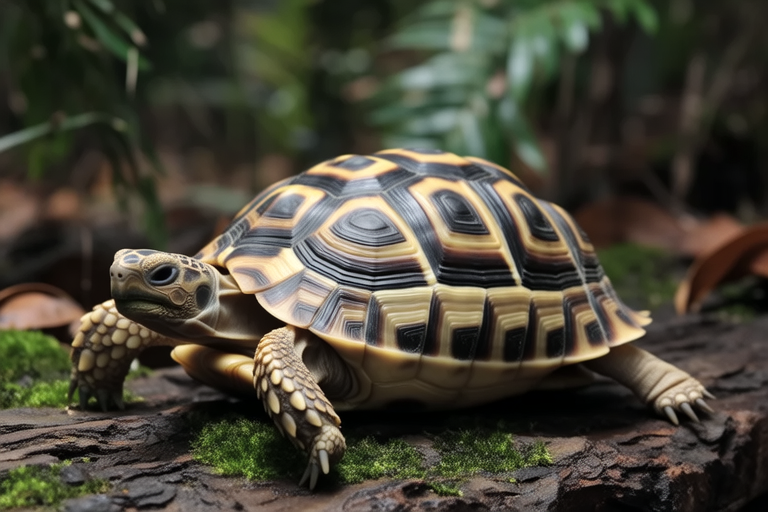
Welcome to the fascinating world of three-striped box turtles! These captivating reptiles, scientifically known as cuora trifasciata, are a popular choice among turtle enthusiasts. With their distinct three stripes running down their shells and charming personalities, they make wonderful pets. However, thriving with your three-striped box turtle requires more than just a tank and some food. This comprehensive guide will provide you with all the essential tips and secrets to ensure your turtle lives a long and healthy life.
Habitat Setup
The first step to successfully caring for your three-striped box turtle is setting up the right habitat. These turtles require spacious enclosures that mimic their natural environment. For a single adult, a minimum enclosure size of 4 feet by 6 feet is recommended. The enclosure should have a mix of land and water areas. Ensure the water area is shallow enough for the turtle to easily enter and exit. A basking spot should be provided, where the turtle can bask under a heat lamp to regulate its body temperature.
Substrate selection is crucial. Avoid using cedar or pine shavings as they may cause respiratory problems. Instead, opt for reptile-safe substrates like coconut fiber, cypress mulch, or eco-earth. These substrates help maintain humidity levels and are easy to clean.
Temperature and Humidity Requirements
Three-striped box turtles thrive in temperatures ranging from 75°F to 85°F (24°C to 29°C). A basking spot should reach around 90°F (32°C) to 95°F (35°C). Use a reliable thermometer to monitor these temperatures and adjust heating elements accordingly.
Maintaining appropriate humidity levels is equally important. These turtles need humidity between 60% and 80%. This can be achieved by misting the enclosure daily and using a humidifier if necessary. A hygrometer is useful for monitoring humidity levels.
Diet Specifics
A balanced diet is key to your turtle’s health. In the wild, three-striped box turtles are omnivores, feeding on a variety of plants, insects, and small vertebrates. Replicate this diet in captivity by offering a mix of vegetables, fruits, and protein sources.
- Vegetables: Leafy greens like collard greens, mustard greens, and dandelion greens are excellent choices. Other suitable options include squash, carrots, and bell peppers.
- Fruits: Offer fruits sparingly, as they are high in sugar. Apples, berries, and melons are good choices.
- Protein: Feed your turtle a variety of insects, such as crickets, mealworms, and waxworms. Small amounts of fish, earthworms, and pinkie mice can also be offered occasionally.
Ensure that all food items are gut-loaded and dusted with a calcium supplement to prevent metabolic bone disease. Feed your turtle daily or every other day, depending on its age and activity level.
Lighting Needs
Proper lighting is vital for your turtle’s overall health. Ultraviolet B (UVB) light is essential for calcium absorption and metabolism. Use a UVB bulb specifically designed for reptiles, and place it within 12 to 18 inches of the basking spot. Replace the bulb every six months to ensure optimal UV output.
In addition to UVB lighting, provide full-spectrum lighting to simulate daylight cycles. This helps regulate your turtle’s circadian rhythms and encourages natural behaviors. A timer can be used to automate the lighting schedule, ensuring 12 to 14 hours of light per day.
Common Health Issues
Despite your best efforts, your three-striped box turtle may still encounter health issues. Recognizing these problems early is crucial for effective treatment.
- Metabolic Bone Disease: Caused by a lack of calcium or insufficient UVB lighting, this condition results in soft or deformed shells. Symptoms include lethargy, weakness, and difficulty moving.
- Respiratory Infections: Often caused by poor hygiene or improper temperature and humidity levels, symptoms include wheezing, nasal discharge, and open-mouth breathing.
- Shell Rot: A bacterial infection that affects the shell, causing soft spots, discoloration, and foul odors. Prompt treatment with antibiotics and improved husbandry is necessary.
Regular veterinary check-ups are essential to catch and address these issues before they become severe. Consult with a veterinarian specializing in reptiles for proper diagnosis and treatment.
Veterinary Care
Just like any pet, three-striped box turtles require regular veterinary care. Schedule annual check-ups with a reptile veterinarian to ensure your turtle’s health. During these visits, the vet will perform a thorough examination, check for parasites, and review your husbandry practices.
Emergency veterinary care is also crucial. Be prepared to contact your vet immediately if you notice any signs of illness or injury. Having a list of emergency contacts readily available can save valuable time in critical situations.
Enrichment Activities
To keep your three-striped box turtle mentally stimulated and physically active, incorporate enrichment activities into its routine. Providing a variety of hiding spots, climbing structures, and toys can encourage exploration and natural behaviors.
Rotate toys and decorations periodically to maintain interest and prevent boredom. Consider adding live plants or safe branches for climbing and hiding. Regular interaction with your turtle can also enhance its well-being and strengthen the bond between you.
Actionable Advice for Beginners and Experienced Owners Alike
For beginners, take the time to research and understand the specific needs of three-striped box turtles before bringing one home. Join local or online communities to connect with experienced owners and learn from their experiences.
Experienced owners should continue to educate themselves about advancements in turtle care and stay updated on the latest research. Participating in forums and attending workshops can provide valuable insights and networking opportunities.
Regardless of experience level, always prioritize your turtle’s health and happiness. By providing a suitable habitat, proper nutrition, and regular veterinary care, you can ensure your three-striped box turtle thrives in its new home.
Conclusion
Caring for a three-striped box turtle is a rewarding endeavor that requires dedication and knowledge. By following the tips outlined in this guide, you can create an enriching and healthy environment for your turtle. Remember, a thriving turtle is a happy turtle. Take pride in your role as a responsible owner and enjoy the companionship of these unique and fascinating creatures.
