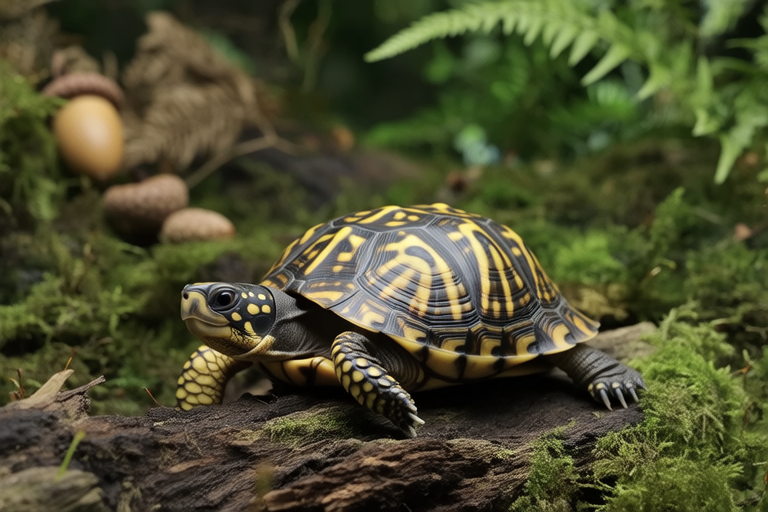
Everything You Need to Know About Keeping a Three-Striped Box Turtle as a Pet
The three-striped box turtle (Terrapene triunguis) is a fascinating reptile native to the central United States. These turtles are known for their striking appearance, characterized by three yellow stripes on each side of their head, and their hard, dome-shaped shell. They are popular pets due to their relatively small size, easy care, and unique personalities. This article provides a comprehensive guide for both novice and experienced pet owners who are interested in keeping a three-striped box turtle.
Introduction to the Species
The three-striped box turtle belongs to the family Emydidae and is one of the most commonly kept pet turtles in North America. Unlike many other aquatic turtles, the three-striped box turtle is primarily terrestrial, spending much of its time on land. Their natural habitat includes open woodlands, prairies, and grasslands with access to shallow water bodies like ponds or streams. These turtles have adapted to various climates but prefer areas with moderate temperatures.
Natural Habitat
In the wild, three-striped box turtles inhabit regions stretching from southern Illinois and Indiana through Missouri, Arkansas, Louisiana, Mississippi, Alabama, and Georgia. They require environments that mimic these conditions, which include ample space for walking, basking, and hiding. In captivity, it’s crucial to replicate their natural environment as closely as possible to ensure the turtle’s well-being.
Dietary Requirements
Three-striped box turtles are omnivorous, meaning they eat both plant matter and animal protein. Their diet should consist of a variety of vegetables, fruits, insects, and occasionally small vertebrates. Younger turtles tend to consume more protein than adults, who favor a more vegetarian diet. It’s essential to provide a balanced diet to support their growth and health. Suitable food items include leafy greens (like kale, collard greens, and dandelion leaves), berries, earthworms, crickets, and mealworms.
Housing Needs
Creating an appropriate living space is crucial for the turtle’s health and happiness. The enclosure should be large enough to allow for movement and exploration. A minimum size of 4 feet by 6 feet is recommended for a single adult turtle, though larger enclosures are always better. The setup should include a mix of dry land and shallow water areas. A substrate of mulch, coconut fiber, or moss can be used to create a naturalistic environment. Additionally, provide hiding spots such as logs, rocks, or commercial turtle caves.
Health Care Essentials
Regular veterinary check-ups are important for maintaining your turtle’s health. Common issues include respiratory infections, shell deformities, and metabolic bone disease. To prevent these problems, ensure proper nutrition, hydration, and temperature regulation. UVB lighting is necessary for calcium absorption and overall health. Clean the enclosure regularly to prevent bacterial growth and maintain hygiene.
Common Behaviors
Three-striped box turtles exhibit interesting behaviors that can make them enjoyable pets. They are generally active during the day and may spend time basking under heat lamps. Some turtles enjoy swimming, while others prefer to remain on land. Social interactions vary; some turtles are shy, while others are curious and may approach their caretakers. Understanding and respecting your turtle’s individual personality will help foster a positive relationship.
Legal Aspects of Ownership
Prior to acquiring a three-striped box turtle, research local laws and regulations regarding exotic pet ownership. In some states, permits or licenses may be required, and there might be restrictions on where you can obtain the turtle. It’s also important to consider the ethical implications of removing animals from the wild or supporting unethical breeding practices. Always purchase from reputable sources that prioritize the welfare of the animals.
Potential Challenges for New Owners
One of the biggest challenges for new owners is understanding the specific needs of the turtle. Providing the right diet, housing, and care can be daunting at first. Patience and commitment are key to overcoming these challenges. Another challenge is the long-term commitment required, as three-striped box turtles can live for over 30 years. Ensuring a stable and enriching environment throughout their lifespan is crucial.
Tips for Ensuring Longevity and Happiness
To ensure your three-striped box turtle lives a long and happy life, follow these tips:
- Proper Nutrition: Offer a varied diet rich in vitamins and minerals.
- Environmental Enrichment: Provide toys, tunnels, and other objects to stimulate exploration.
- Regular Exercise: Encourage movement by creating a spacious and engaging enclosure.
- Temperature Regulation: Maintain consistent temperatures within the enclosure, typically between 75-85°F (24-29°C).
- Hydration: Ensure fresh water is available at all times and mist the enclosure daily to increase humidity.
- Veterinary Care: Schedule routine visits with a reptile veterinarian to monitor health and address any concerns promptly.
Conclusion
Keeping a three-striped box turtle as a pet can be a rewarding experience for those willing to commit to their care and well-being. By understanding their natural habitat, dietary needs, housing requirements, and common behaviors, you can provide a fulfilling life for your pet. With proper attention and care, your three-striped box turtle can thrive in a domestic setting, offering years of companionship and enjoyment.
