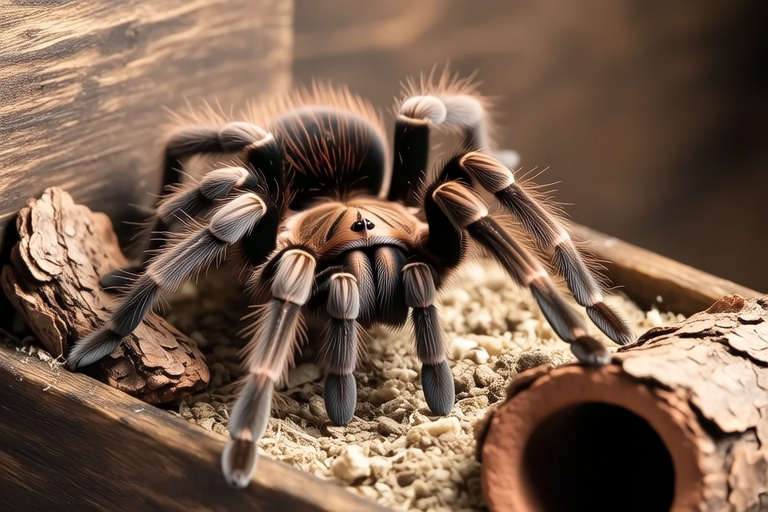
How to Make Your Chilean Rose Tarantula Feel Right at Home: Expert Tips
Welcome to the fascinating world of tarantulas! If you’ve recently adopted a Chilean Rose Tarantula, you’re about to embark on an exciting journey. These arachnids are not only beautiful but also relatively low-maintenance pets. However, they require specific care to thrive. This guide will help you set up the perfect home for your new pet and provide expert tips on feeding, handling, and ensuring their health.
Setting Up the Perfect Habitat
Tank Size
The first step in creating a suitable environment for your Chilean Rose Tarantula is choosing the right enclosure. A 10-gallon tank is ideal for adult specimens, providing ample space to move around and explore. For younger tarantulas, smaller tanks (around 5 gallons) are sufficient until they reach adulthood.
Substrate Type
The substrate you choose plays a crucial role in maintaining proper humidity levels and allowing your tarantula to burrow. Cypress mulch, coconut fiber, or reptile bark are excellent choices. Avoid using sand as it can cause impaction if ingested during molting. The substrate should be at least three inches deep, allowing your tarantula to dig comfortably.
Hiding Spots
Chilean Rose Tarantulas love to hide and feel secure in their environment. Providing multiple hiding spots will encourage natural behaviors and reduce stress. Half logs, cork bark, or commercially available caves work well. Position these strategically so your tarantula has options and can choose its preferred spot.
Temperature and Humidity Levels
Maintaining the correct temperature and humidity is vital for your tarantula’s health. Aim for a temperature range between 78-85°F (25-29°C). Use a digital thermometer to monitor these conditions accurately. To achieve optimal humidity (60-80%), mist the substrate lightly once or twice daily. Ensure the enclosure has good ventilation to prevent mold growth.
Dietary Needs
Feeding your Chilean Rose Tarantula appropriately ensures they grow healthy and strong. Their diet consists mainly of insects such as crickets, mealworms, and dubia roaches. Feed juveniles every 3-4 days, while adults can be fed once a week. Always gut-load feeder insects with nutritious food before offering them to your tarantula.
Handling Tips
While tempting, handling your tarantula should be done cautiously. Start by gently coaxing them out of their hiding spot with a small stick or spoon. Allow them to crawl onto your hand slowly, supporting their body firmly but gently. Never pick them up by the legs or abdomen, as this could harm them. Regular gentle handling builds trust and makes future interactions easier.
Signs of a Healthy Tarantula
A healthy Chilean Rose Tarantula exhibits certain characteristics that indicate good health. They should have a robust, plump abdomen and clear eyes without any discharge. Appetite is another indicator; a healthy tarantula will eagerly accept food when offered. Additionally, their movement should be smooth and deliberate, without any signs of lethargy or weakness.
Maintaining a Safe and Enriching Environment
To keep your tarantula happy and healthy, regular maintenance is necessary. Clean the enclosure weekly by removing waste and uneaten prey. Replace approximately one-third of the substrate each time to maintain hygiene. Inspect the tank regularly for any signs of damage or wear and tear, addressing issues promptly.
Common Mistakes Beginners Make
- Incorrect Temperature and Humidity: Failing to maintain the proper temperature and humidity can lead to health problems. Always check these conditions frequently.
- Improper Handling: Over-handling can stress your tarantula. Limit handling sessions to short durations and observe how your pet reacts.
- Inadequate Hiding Spots: Not providing enough hiding spots can make your tarantula feel insecure. Ensure there are multiple options available.
- Incorrect Substrate: Using inappropriate substrates, like sand, can cause impaction. Choose cypress mulch, coconut fiber, or reptile bark instead.
Conclusion
Caring for a Chilean Rose Tarantula requires attention to detail but brings great rewards. By following these expert tips, you’ll create a comfortable and stimulating environment for your pet. Remember, patience and consistency are key when it comes to building a trusting relationship with your tarantula. Enjoy watching them thrive in their new home!
