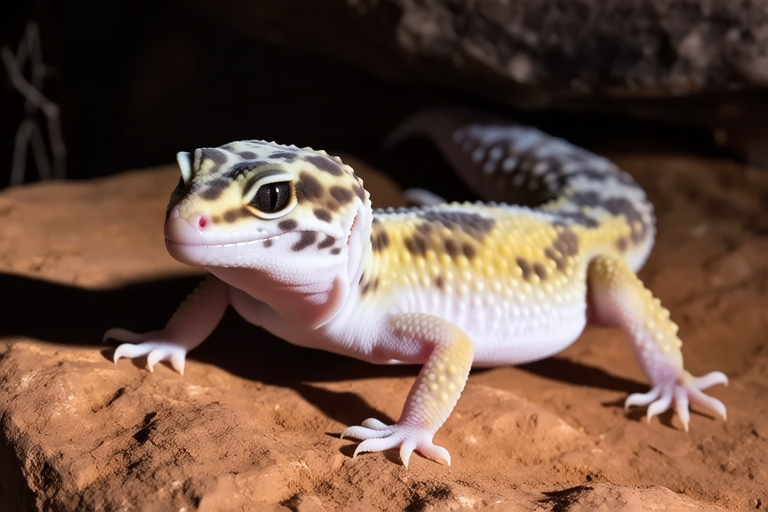
Leopard Gecko Care: A Beginner’s Guide to Keeping These Reptiles Happy and Healthy
Welcome to the wonderful world of leopard geckos! Known for their docile nature and vibrant colors, these small lizards have become increasingly popular among reptile enthusiasts. Leopard geckos are relatively easy to care for, making them an excellent choice for first-time reptile owners. This guide will walk you through the basics of keeping your leopard gecko happy and healthy, ensuring that both you and your pet enjoy this unique relationship.
Introduction to Leopard Geckos
Native to the arid regions of Afghanistan, Pakistan, India, and parts of Iran, leopard geckos have adapted to live in warm, dry environments. Their name comes from the distinctive spots that resemble those of leopards. Leopard geckos are nocturnal, meaning they are most active during the night. They grow to about 8-11 inches in length and can live up to 20 years if well cared for. Their popularity stems from their ease of care, friendly demeanor, and fascinating behaviors.
Essential Housing Requirements
Tank Size
Leopard geckos need adequate space to move around comfortably. A 10-gallon tank is sufficient for one adult leopard gecko. However, if you plan to keep multiple geckos, it’s best to provide more room. A general rule of thumb is to add five gallons of space for each additional gecko.
Substrate
The substrate, or bedding, is crucial for maintaining a clean environment and preventing impaction. Avoid using sand or gravel, which can be harmful if ingested. Instead, opt for reptile-safe paper towels, reptile carpet, or eco-friendly substrates like coconut fiber or bark. These options are easier to clean and safer for your gecko.
Temperature Gradients
Creating a temperature gradient within the enclosure is vital for your gecko’s health. The cool side should be around 75-80°F (24-27°C), while the warm side should reach 88-90°F (31-32°C). You can achieve this by placing a heat mat or under-tank heater on one side of the tank and using a thermometer to monitor the temperatures.
Lighting
Unlike many other reptiles, leopard geckos don’t require UVB lighting because they obtain vitamin D3 through their diet. However, providing a low-wattage red or blue bulb can help you observe your gecko’s nocturnal activities without disturbing its natural behavior. Always ensure the lighting does not produce excessive heat.
Diet and Hydration
Type of Food
A balanced diet is key to your gecko’s health. Feed your leopard gecko a variety of insects such as crickets, mealworms, and waxworms. Dust these insects with calcium and multivitamin supplements before offering them to your gecko. This ensures your pet receives the necessary nutrients for strong bones and overall health.
Feeding Schedule
Young leopard geckos should be fed daily, while adults can be fed every other day. Offer only as much food as your gecko can consume within a few hours to prevent overfeeding. Remove any uneaten insects to maintain cleanliness.
Hydration
Leopard geckos obtain most of their water needs from their food. However, it’s important to provide a shallow dish of fresh water daily. Change the water regularly to ensure it remains clean and hygienic.
Common Health Issues and Signs of Illness
Knowing how to spot potential health problems early can save your gecko’s life. Some common issues include metabolic bone disease, caused by a lack of calcium, and respiratory infections due to improper temperature and humidity levels. Signs of illness may include lethargy, loss of appetite, weight loss, difficulty breathing, or abnormal feces. If you notice any of these symptoms, consult a veterinarian specializing in reptiles.
Handling and Socializing
Leopard geckos are generally docile and enjoy gentle handling. Start by allowing your gecko to acclimate to its new home for at least a week before handling. When picking up your gecko, support its body fully and avoid squeezing or restraining it tightly. Frequent, gentle handling helps build trust and can make your gecko more comfortable with human interaction.
Sourcing Healthy Leopard Geckos
Choosing a reputable breeder or store is crucial for obtaining a healthy leopard gecko. Look for sellers who prioritize the well-being of their animals and can provide detailed information about the gecko’s lineage, age, and care history. Ask to see the living conditions of the geckos and inquire about any health issues or genetic predispositions. Buying from a reputable source minimizes the risk of bringing home a sick or poorly bred animal.
In conclusion, leopard geckos are delightful pets that can bring years of joy and companionship when properly cared for. By understanding their housing needs, dietary requirements, and potential health issues, you’ll be well-equipped to provide a safe and stimulating environment for your new friend. Remember, the bond between you and your gecko will grow stronger with time and proper care. Happy gecko keeping!
