The Evolution of Pomeranians: From Working Dogs to Royal Lapdogs
Pomeranians, one of the most recognizable and cherished dog breeds today, have an extensive history that spans thousands of years. Originating from the region of Pomerania, which encompasses parts of present-day Poland and Germany, these canines were once formidable working dogs. Over time, they underwent significant transformations, evolving into the delightful and diminutive lapdogs we know today. This article delves into the fascinating journey of Pomeranians, highlighting key historical figures, breeding practices, and their current status in contemporary culture.
Origins and Early History
The ancestors of Pomeranians were much larger than the breed we recognize today. They were known as Wolfspitz or Spitz type dogs, utilized for herding sheep and guarding livestock. These robust dogs were well-suited to the harsh climates of northern Europe, where they thrived. Their thick double coats provided insulation against cold weather, and their keen senses made them excellent watchdogs.
Historical records indicate that Pomeranians have been around since at least the 18th century. Initially, they were bred in different sizes, ranging from toy-sized to large working dogs. The breed’s name comes from the historical region of Pomerania, where they were first documented. As time progressed, Pomeranians became increasingly popular as companion animals, especially among the European aristocracy.
Association with Royalty
The rise of Pomeranians to prominence can be largely attributed to their close association with royalty. Queen Victoria of England was particularly instrumental in popularizing the breed during her reign. She had a deep affection for Pomeranians and owned several throughout her life. One of her most famous dogs was a small red Pomeranian named ‘Marco,’ which she acquired while visiting Italy in 1888. Upon returning to England, Queen Victoria took great pleasure in showcasing Marco at royal events, thus increasing the breed’s visibility and desirability.
Queen Victoria’s influence extended beyond mere ownership; she actively promoted smaller Pomeranians by participating in dog shows and encouraging breeders to focus on producing smaller specimens. Her preference for smaller dogs led to a significant shift in breeding practices, resulting in the diminutive size of modern Pomeranians. Other notable figures who contributed to the breed’s popularity include Marie Antoinette, who kept a pair of Pomeranians at Versailles, and Empress Josephine, who also owned several.
Breeding Practices and Appearance Changes
The transition from larger working dogs to smaller lapdogs involved careful selection and breeding over many generations. Early breeders focused on reducing the size of the dogs while preserving their distinctive characteristics, such as the fox-like face, plumed tail, and thick coat. By the mid-19th century, Pomeranians had become a recognized breed within kennel clubs, with specific standards established for their appearance.
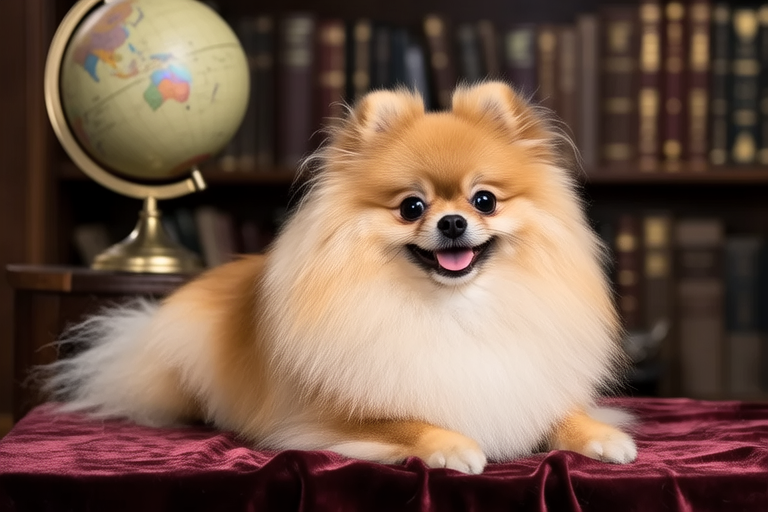
Modern Pomeranians typically weigh between 3 and 7 pounds and stand about 6 to 7 inches tall at the shoulder. Their compact bodies, erect ears, and expressive eyes give them an alert and lively demeanor. The breed’s coat is one of its most striking features, coming in various colors and patterns, including orange, black, brown, cream, and parti-colors. The outer coat is long, straight, and harsh, while the undercoat is soft and dense.
Temperament and Personality
Pomeranians are known for their friendly, outgoing, and playful nature. Despite their small size, they possess a bold and confident personality, often barking at strangers or perceived threats. This makes them excellent watchdogs, though they may not be suitable as guard dogs due to their limited physical capabilities. They are highly intelligent and trainable, responding well to positive reinforcement techniques.
These traits make Pomeranians ideal companions for families, older adults, and individuals seeking a devoted pet. However, potential owners should be aware that Pomeranians require consistent training and socialization to prevent behavioral issues like excessive barking or aggression towards other animals. Their loyalty and affectionate nature ensure that they form strong bonds with their human families, providing unwavering companionship.
Health and Care Requirements
While generally healthy, Pomeranians are prone to certain genetic conditions, including luxating patella (dislocated kneecap), tracheal collapse, and dental problems. Regular veterinary check-ups, proper nutrition, and routine grooming are essential for maintaining their overall well-being. Owners should also pay attention to their weight, as obesity can exacerbate existing health issues.
Grooming is another important aspect of caring for a Pomeranian. Their luxurious coat requires frequent brushing to prevent matting and tangling. Daily brushing helps distribute natural oils through the fur, keeping it shiny and healthy. Additionally, regular bathing, nail trimming, and ear cleaning are necessary to maintain good hygiene.
Role in Contemporary Culture and Media
In recent years, Pomeranians have continued to capture hearts and imaginations across various forms of media. They frequently appear in movies, television shows, advertisements, and social media platforms, often portrayed as cute and lovable characters. For instance, the 2005 film “Lady and the Tramp II: Scamp’s Adventure” featured a Pomeranian named Penny, who stole the spotlight with her charming personality.
Moreover, Pomeranians have inspired numerous fashion trends and accessories designed specifically for small dogs. Their popularity has also led to the creation of specialized dog parks, agility courses, and even beauty pageants dedicated to showcasing their unique qualities. These events provide opportunities for owners to bond with their pets and celebrate the breed’s rich heritage.
Conclusion
The evolution of Pomeranians from robust working dogs to beloved lapdogs is a testament to the power of selective breeding and human ingenuity. Their association with royalty has played a crucial role in shaping public perception and fostering widespread adoption. Today, Pomeranians remain cherished companions, offering joy, companionship, and entertainment to countless households worldwide. Whether through their starring roles in popular culture or their unwavering devotion to their owners, Pomeranians continue to captivate audiences and hearts alike.
