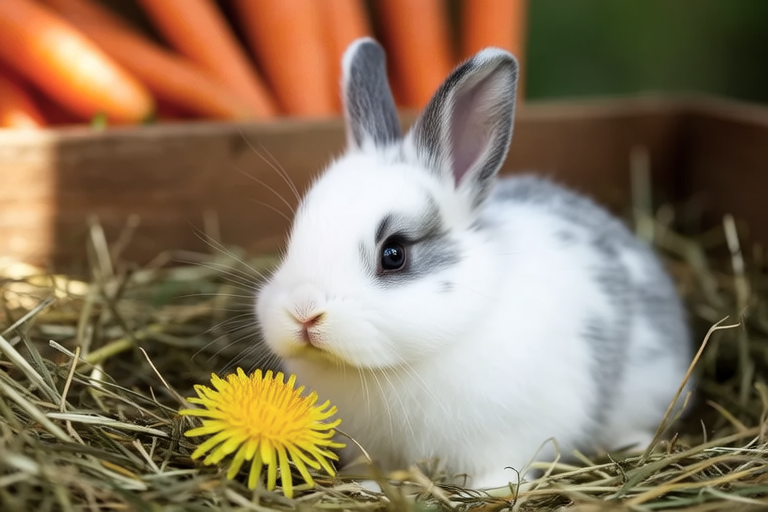
Top Myths Debunked: Caring for Your Dutch Dwarf Rabbit
Dutch Dwarf Rabbits, with their striking white and colored patches, have captured the hearts of many pet lovers. These compact, gentle creatures are not only adorable but also full of personality. Originating from Holland, Dutch Dwarfs are one of the smallest domesticated rabbit breeds, making them ideal pets for those with limited space. Their playful nature and easy adaptability to various living conditions make them popular choices for families and first-time rabbit owners alike.
Myth 1: Dutch Dwarf Rabbits Can Survive on a Diet of Commercial Rabbit Food Alone
One common misconception among rabbit owners is that commercial rabbit food alone can meet all dietary needs. While commercial pellets provide essential nutrients, they should not be the sole component of a Dutch Dwarf Rabbit’s diet. A balanced diet includes fresh hay, vegetables, fruits, and a small portion of pellets.
Experts recommend offering timothy hay as the primary source of fiber, which aids digestion and prevents dental issues. Leafy greens such as romaine lettuce, spinach, and kale should be included daily, but in moderation due to potential high oxalate levels. Fruits can be given sparingly as treats due to their sugar content. Overfeeding sugary foods can lead to obesity and diabetes.
Myth 2: Dutch Dwarf Rabbits Don’t Need Much Exercise
Another widespread belief is that these tiny rabbits don’t require extensive exercise because of their size. However, Dutch Dwarfs are active and energetic animals that need regular physical activity to maintain their health.
Rabbits benefit from at least three hours of supervised playtime outside their cage daily. This helps prevent behavioral problems like chewing on furniture or becoming overweight. Providing toys, tunnels, and climbing structures within their living space encourages natural behaviors like digging and hopping. Exercise also reduces stress and promotes mental stimulation, leading to happier and healthier rabbits.
Myth 3: Dutch Dwarf Rabbits Require Minimal Grooming
Some people assume that because Dutch Dwarfs are small, they need little grooming. In reality, regular grooming is crucial for their well-being.
Dutch Dwarfs have short coats that shed seasonally. Brushing them weekly helps remove loose fur and prevents hairballs. During shedding seasons, more frequent brushing may be necessary. Bathing should be avoided unless absolutely necessary since it can strip natural oils from their skin. Instead, spot cleaning with damp cloths can handle minor messes.
Myth 4: Dutch Dwarf Rabbits Can Be Kept in Small Cages Permanently
There’s a prevalent notion that Dutch Dwarfs can thrive in small cages indefinitely. However, this isn’t true; they need ample space to move around freely.
Adequate housing provides safety, comfort, and room for activities. The minimum recommended cage size for a single Dutch Dwarf Rabbit is 30 inches by 36 inches by 18 inches high. However, larger spaces or outdoor runs allow more freedom and stimulate natural behavior. Cages should include bedding material like shredded paper or straw for warmth and comfort. Additionally, multiple levels or platforms encourage climbing and exploration.
Maintaining Health and Happiness
Ensuring your Dutch Dwarf Rabbit leads a healthy and happy life involves several key practices:
- Regular Vet Check-Ups: Annual visits help catch potential health issues early.
- Safe Environment: Remove toxic plants and materials from their reach.
- Social Interaction: Spend quality time playing and bonding with your rabbit.
- Training: Teach basic commands and tricks to enhance mental engagement.
Remember, owning a rabbit comes with significant responsibilities. Proper care requires commitment, time, and resources. By understanding and addressing common myths, you can provide the best possible life for your Dutch Dwarf Rabbit.
