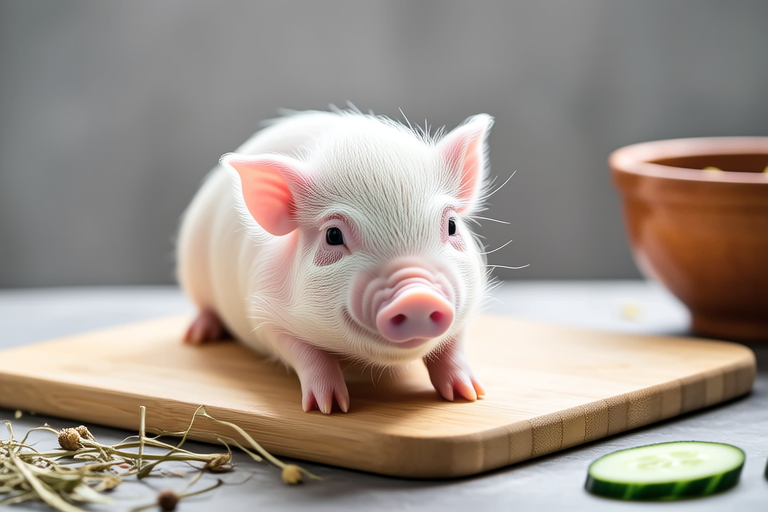
Guinea Pig Care Made Easy: Tips for First-Time Pet Owners
Selecting the Right Guinea Pig
Welcome to the world of guinea pig ownership! Before you dive into the joys of pet ownership, it’s crucial to choose the right guinea pig that will thrive in your home. When selecting your new friend, consider factors such as age, temperament, and health. Opt for a young guinea pig, around four to six months old, as they tend to be more energetic and adaptable. Visit a reputable breeder or adopt from a shelter to ensure you’re bringing home a healthy pet.
Understanding Your Guinea Pig’s Behavior
Your guinea pig’s behavior can tell you a lot about its mood and health. They communicate through vocalizations like chirps, squeaks, and purrs. Pay attention to these sounds to understand what your pet might be feeling. Guinea pigs are social animals and enjoy interacting with humans and other guinea pigs. Understanding their behavior helps in building a strong bond and ensures a happy, healthy life for your pet.
Creating a Safe Environment
A well-prepared living space is vital for your guinea pig’s happiness. Provide a spacious cage with ample room for movement and exploration. The cage should be at least 4 square feet for one guinea pig, but more space is always better. Line the bottom with soft bedding like paper-based products or fleece, which are safer and more comfortable than wood shavings. Avoid cedar and pine shavings as they can cause respiratory issues. Ensure the cage has good ventilation and is placed away from direct sunlight and drafts.
Diet and Nutrition
Essential Diet Components
Guinea pigs have specific dietary needs. Their diet should primarily consist of hay, which aids digestion and keeps their teeth healthy. Fresh vegetables and fruits, such as carrots, spinach, and apples, should be offered daily. However, limit the amount of sugary fruits to prevent obesity. Guinea pigs also require a constant supply of vitamin C, which can be found in fortified pellets or fresh produce. Always provide clean, fresh water in a sipper bottle to avoid dehydration.
Special Considerations
Feeding your guinea pig a balanced diet is essential. Avoid feeding them foods high in sugar and fat, such as chocolate, nuts, or seeds. Additionally, certain vegetables like iceberg lettuce can cause digestive problems, so it’s best to offer them sparingly or avoid them altogether. Always introduce new foods gradually to monitor any adverse reactions.
Housing and Comfort
Proper housing is key to your guinea pig’s well-being. Choose a cage with solid flooring to prevent injuries from wire bottoms. The cage should have multiple levels for climbing and exploring. Add tunnels, chew toys, and hiding spots to enrich their environment. Regular cleaning of the cage is necessary to maintain hygiene; spot clean daily and perform a thorough cleaning weekly. This not only keeps the cage fresh but also prevents the buildup of harmful bacteria.
Health Care and Preventive Measures
Vaccinations and Parasite Control
While there are no vaccinations specifically required for guinea pigs, regular check-ups with a veterinarian are recommended. A vet can help identify potential health issues early on. Parasites, such as mites, can be problematic, so maintaining cleanliness and using preventive treatments under veterinary guidance can help keep your pet free from infestations.
Common Illnesses and Symptoms
Guinea pigs are susceptible to various health issues, including respiratory infections, dental problems, and diarrhea. Signs of illness include lethargy, loss of appetite, sneezing, or discharge from the eyes and nose. If you notice any unusual behavior, consult a veterinarian immediately. Early intervention can prevent minor issues from becoming serious health concerns.
Grooming Tips
Grooming is an important aspect of guinea pig care. Regular brushing helps remove loose fur and prevents matting, especially for long-haired breeds. Trim nails every few weeks to prevent overgrowth and discomfort. Bathing should be minimal, as frequent bathing can strip natural oils from their skin. Use a damp cloth to gently wipe your guinea pig if necessary. Regular grooming sessions also provide an opportunity to check for any skin irritations or parasites.
Exercise Requirements
Exercise is crucial for maintaining your guinea pig’s physical and mental health. Daily out-of-cage time allows them to stretch their legs and explore new environments. Create a safe play area by removing hazards like electrical cords and sharp objects. Supervise your guinea pig during playtime to ensure their safety. Providing tunnels, chew toys, and ramps within the cage also encourages physical activity and mental stimulation.
Socialization
Guinea pigs are social creatures and benefit from interaction with both humans and other guinea pigs. Spend time handling and playing with your guinea pig daily to strengthen your bond. Introducing another guinea pig can provide companionship, but ensure introductions are done carefully to prevent aggression. Socializing your pet helps them feel secure and content, leading to a happier and healthier life.
