Top 10 Surprising Facts About Chilean Rose Tarantulas That Will Amaze You
Introduction: When it comes to fascinating creatures, few can match the intrigue of the Chilean rose tarantula. Known for its striking appearance and gentle demeanor, this species has captured the hearts of many. From its vibrant colors to its unique behaviors, there’s much more to these spiders than meets the eye. This article delves into the top 10 surprising facts about Chilean rose tarantulas, revealing aspects that will leave you amazed.
Fact 1: Vibrant Appearance Masks Their True Nature
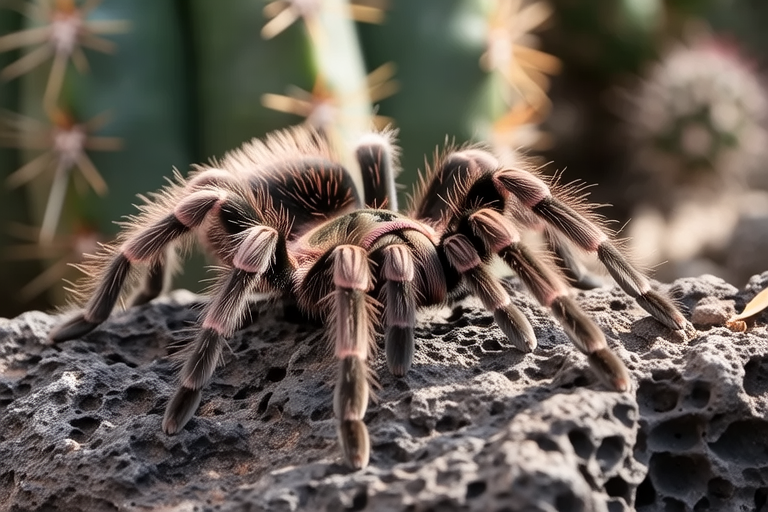
The Chilean rose tarantula, scientifically named Grammostola rosea, is often mistaken for a venomous spider due to its bright pink and red hues. However, these colors serve as a warning signal to potential predators, indicating that they might be harmful. Despite their striking appearance, Chilean rose tarantulas are actually quite docile and rarely aggressive towards humans. They prefer to avoid confrontation and would rather flee or play dead than fight. Their vibrant colors also help them blend into their desert environment, providing camouflage against predators.
Fact 2: Adapted to Harsh Desert Conditions
Chilean rose tarantulas are native to the arid regions of Chile, where they have adapted to thrive in harsh desert conditions. These areas are characterized by extreme temperatures, limited water availability, and sparse vegetation. To survive, Chilean rose tarantulas have developed several remarkable adaptations. For instance, they are capable of surviving without water for extended periods by absorbing moisture from their food. Additionally, they can regulate their body temperature through behavioral changes, such as seeking shade during the hottest parts of the day. Their burrowing habits also provide shelter from the elements and help maintain a stable internal environment.
Fact 3: Masters of Burrowing
Burrowing is an essential part of the Chilean rose tarantula’s life cycle. These spiders are expert diggers, creating intricate underground homes that serve multiple purposes. Their burrows act as both defensive structures and hunting grounds. The entrances to their burrows are often camouflaged with debris to prevent detection by prey and predators alike. Inside, the burrows can extend several feet deep, offering protection from the intense heat above ground. Interestingly, the female tarantulas will line their burrows with silk to create a cozy environment for rearing their young. This nesting behavior showcases the maternal instincts of these seemingly solitary creatures.
Fact 4: Unique Feeding Habits
Contrary to popular belief, Chilean rose tarantulas are not voracious eaters. They primarily feed on small insects, such as crickets and mealworms, which they catch using their powerful legs and sharp fangs. These spiders employ a sit-and-wait strategy, remaining motionless near the entrance of their burrow until unsuspecting prey ventures close enough. Once within range, they strike with lightning speed, injecting venom to immobilize their target. Afterward, the tarantula secretes digestive enzymes onto the prey to break it down into a liquid form, allowing them to suck up the nutrients efficiently. Their feeding habits reflect their energy-efficient lifestyle, conserving resources in their resource-scarce habitats.
Fact 5: Myth-Busting Venom
One of the most common misconceptions about Chilean rose tarantulas is their deadly venom. In reality, their venom is relatively mild and poses little threat to humans. While a bite can cause localized pain and swelling similar to a bee sting, it is not fatal and does not require medical intervention in most cases. The venom serves primarily as a hunting tool, helping the tarantula subdue prey. The myth of their dangerous venom likely stems from the spider’s intimidating appearance and reputation in folklore. Understanding the truth behind their venom helps dispel unnecessary fears and promotes responsible handling of these fascinating creatures.
Fact 6: Long Lifespan and Slow Growth
Chilean rose tarantulas are known for their impressive longevity, with females often living up to 20 years in captivity. Males, on the other hand, have a shorter lifespan of around 5 years. This longevity is attributed to their slow growth rate and low metabolic demands. Unlike many other animals, tarantulas grow incrementally, molting their exoskeleton periodically to accommodate their increasing size. Each molt is a critical period for the spider, during which it is vulnerable and requires careful care. The gradual development process ensures that Chilean rose tarantulas reach maturity at a steady pace, contributing to their extended lifespans.
Fact 7: Complex Social Structures
Despite being solitary creatures in the wild, Chilean rose tarantulas exhibit surprisingly complex social behaviors when kept in captivity. Under controlled conditions, these spiders can coexist peacefully, even forming communal groups. In such setups, they establish hierarchies and engage in cooperative activities, such as sharing food and protecting territory. These interactions highlight the adaptability of the species and suggest that social bonds may play a role in their survival strategies. Understanding these social dynamics provides valuable insights into the behavior of tarantulas and challenges traditional notions of their solitary nature.
Fact 8: Sensory Perception Beyond Sight
Chilean rose tarantulas rely heavily on their senses to navigate their environment and interact with others. While their vision is limited, they possess highly sensitive hairs covering their bodies, enabling them to detect vibrations, changes in air currents, and chemical signals. These specialized hairs, known as trichobothria, allow the tarantulas to sense the presence of nearby objects and potential threats. Additionally, they have keen tactile abilities, using their legs to feel their surroundings and locate prey. This reliance on non-visual senses underscores the importance of sensory perception in the lives of these spiders.
Fact 9: Reproduction and Mating Rituals
The reproductive cycle of Chilean rose tarantulas is both fascinating and delicate. Male tarantulas reach sexual maturity at around 5 years of age, while females mature later, around 7 years. During mating season, males perform elaborate courtship dances to attract females, showcasing their agility and strength. If successful, the male transfers sperm to the female via a pedipalp, a specialized appendage. After mating, the female lays eggs in a specially constructed silk sac, carefully guarding them until they hatch. The entire process is fraught with risks, including the possibility of cannibalism, where the female may consume the male after mating. This ritualistic behavior highlights the complexity of tarantula reproduction and the challenges faced by these creatures in ensuring the survival of their offspring.
Fact 10: Popular Pet Choice
Chilean rose tarantulas have gained popularity as exotic pets due to their manageable size, docile temperament, and ease of care. As a result, many people keep them as companions, marveling at their unique behaviors and appearance. However, owning a tarantula requires commitment and proper knowledge. It is crucial to provide them with appropriate housing, including a suitable enclosure, substrate, and hiding spots. Proper diet and regular health checks are also necessary to ensure their well-being. Responsible pet ownership involves understanding the needs of these creatures and providing a safe, comfortable environment for them to thrive.
Conclusion: The Chilean rose tarantula is a truly remarkable species, full of surprises and wonders. From their vibrant colors and burrowing skills to their complex social behaviors and reproductive rituals, these spiders offer endless fascination. By uncovering these surprising facts, we gain a deeper appreciation for the resilience and adaptability of these creatures. Whether admired in the wild or cherished as pets, Chilean rose tarantulas continue to captivate and inspire awe in all who encounter them.
