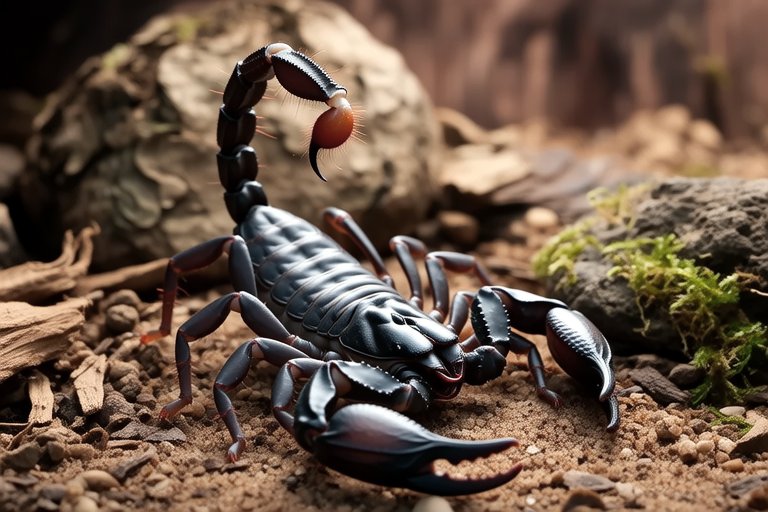
How to Safely Care for Your Heterometrus Spinifer at Home: Tips from Expert Keepers
The Heterometrus spinifer, commonly known as the Indian forest scorpion, is a fascinating arachnid that captivates both novice and seasoned hobbyists alike. This species, native to the tropical regions of India, requires specific care to thrive in captivity. In this comprehensive guide, we will explore the best practices for maintaining your Heterometrus spinifer at home, offering expert advice and scientific insights.
Habitat Setup
Creating a suitable habitat for your Heterometrus spinifer is crucial for its well-being. The enclosure should mimic the natural environment of the scorpion, providing ample space for movement and hiding. A glass terrarium with a secure lid is ideal, ensuring proper ventilation while preventing escapes.
The substrate should be at least four inches deep, composed of coconut fiber or a mix of peat moss and vermiculite. This material retains moisture, creating the humid environment necessary for the scorpion’s survival. Add several hiding spots, such as cork bark or half logs, to provide shelter and reduce stress.
Expert Tip: Avoid overcrowding the enclosure with decorations. Too many items can limit the scorpion’s ability to move freely and may lead to stress or aggression.
Temperature and Humidity Requirements
Maintaining the correct temperature and humidity levels is essential for the health of your Heterometrus spinifer. The ideal temperature range is between 78°F and 86°F (25°C to 30°C). Use a digital thermometer placed inside the enclosure to monitor these conditions accurately.
Humidity should be kept between 70% and 90%. Regular misting of the enclosure can help maintain optimal humidity levels. However, ensure that the substrate does not become waterlogged, as excessive moisture can lead to respiratory issues and fungal growth.
Scientific Fact: Scorpions are ectothermic, meaning they rely on external sources to regulate their body temperature. Providing a thermal gradient within the enclosure allows them to thermoregulate effectively.
Feeding Guidelines
Feeding your Heterometrus spinifer a balanced diet is vital for its growth and overall health. Offer crickets, dubia roaches, or mealworms as primary food sources. The size of the prey should be appropriate for the scorpion’s size, typically no larger than one-third of its body length.
Feed adult scorpions once every two weeks, while juveniles may require more frequent feedings, approximately once a week. Ensure that the prey items are gut-loaded with nutrient-rich foods before offering them to the scorpion.
Expert Tip: Do not overfeed your scorpion. Excess food can lead to obesity and related health issues. Always remove uneaten prey after a few hours to prevent potential harm to the scorpion.
Handling Tips
While Heterometrus spinifer can make interesting pets, it is important to handle them with caution. These scorpions possess potent venom, capable of causing severe pain and allergic reactions in humans. Always wear protective gloves when handling your pet to minimize the risk of stings.
Handle your scorpion infrequently and only when necessary. Over-handling can cause stress and disrupt the animal’s natural behavior. If you must handle your scorpion, gently scoop it up using a soft, flat tool, such as a paint scraper, to avoid pinching its tail.
Scientific Fact: The venom of the Heterometrus spinifer contains neurotoxins that target the nervous system of its prey, allowing it to immobilize and consume its victims efficiently.
Health Monitoring
Regular health checks are essential for maintaining the well-being of your Heterometrus spinifer. Observe your scorpion daily for any signs of illness or distress, such as lethargy, loss of appetite, or abnormal behavior. Check for mites or other parasites by examining the scorpion’s exoskeleton under a magnifying glass.
Ensure that the enclosure is clean and free from mold or mildew. Replace the substrate regularly to prevent bacterial growth and maintain hygiene. Additionally, provide a shallow water dish filled with dechlorinated water for hydration.
Expert Tip: Consult a veterinarian specializing in exotic animals if you notice any unusual symptoms or suspect an illness. Early intervention can significantly improve the chances of recovery.
Common Mistakes to Avoid
Beginners and even some experienced keepers often make mistakes that can negatively impact the health of their Heterometrus spinifer. One common error is failing to provide adequate ventilation. Poor air circulation can lead to respiratory issues and the growth of harmful bacteria.
Another mistake is neglecting to acclimate the scorpion to its new environment. Rapid changes in temperature or humidity can cause stress and weaken the immune system. Gradually adjust the conditions over a period of several days to allow the scorpion to adapt.
Lastly, some keepers underestimate the importance of regular cleaning and maintenance. Failing to clean the enclosure and replace the substrate can result in poor hygiene and increased risk of disease.
Conclusion
Caring for a Heterometrus spinifer requires attention to detail and a commitment to providing a safe and comfortable environment. By following the guidelines outlined in this article, you can ensure the well-being of your scorpion and enjoy a rewarding experience as a keeper. Remember to consult with experts and stay informed about the latest research and best practices in scorpion husbandry.
