From Ocean to Aquarium: Raising Coral Shrimp Like a Pro
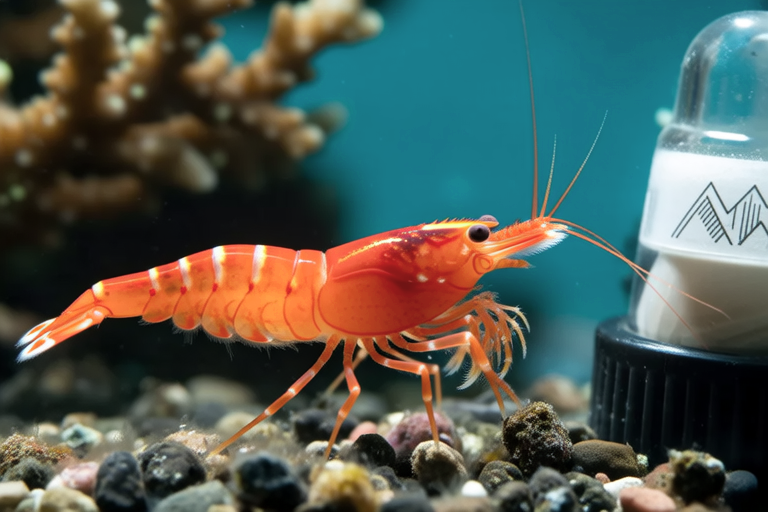
Coral shrimp, also known as Stenopus hispidus, are fascinating creatures that have become increasingly popular among aquarium enthusiasts. These small, vibrant crustaceans are native to tropical and subtropical waters across the Pacific and Indian Oceans, where they live in coral reefs and rocky crevices. Their striking appearance, with red bodies and white spots, makes them stand out in any marine environment. In addition to their aesthetic appeal, coral shrimp are known for their beneficial role in maintaining a healthy aquarium ecosystem. They are scavengers, helping to keep tanks clean by consuming algae and detritus.
The Natural Habitat of Coral Shrimp
In their natural habitat, coral shrimp thrive in the intricate and diverse environments of coral reefs. These areas provide abundant hiding spots and food sources, ensuring their survival. The reefs offer a rich supply of microorganisms, algae, and small invertebrates, which form the basis of the coral shrimp’s diet. Additionally, coral reefs are characterized by clear, warm water and a stable pH level, all of which contribute to the overall health of these shrimp.
Why Coral Shrimp Make Great Aquarium Pets
Coral shrimp are particularly appealing to aquarists because of their unique behaviors and benefits to the aquarium. Not only do they add visual interest with their striking coloration, but they also play a crucial role in keeping the tank clean. Their scavenging habits help control algae growth and remove uneaten food particles, contributing to a healthier environment for other inhabitants. Moreover, coral shrimp are generally peaceful and can coexist with a variety of fish and invertebrates, making them versatile additions to community tanks.
Essential Equipment for Setting Up an Aquarium Environment
Tank Size and Water Parameters
When setting up an aquarium for coral shrimp, it is important to consider the tank size and water parameters carefully. A minimum tank size of 20 gallons (75 liters) is recommended for a small group of coral shrimp, although larger tanks are preferable for better water quality and more space for hiding spots. Maintaining the correct water parameters is crucial for the shrimp’s well-being. The ideal temperature range for coral shrimp is between 72°F and 80°F (22°C to 27°C), with a salinity level of approximately 1.023 to 1.025 specific gravity. The pH should be kept between 8.1 and 8.4 to mimic their natural oceanic environment.
Filtration Systems
An efficient filtration system is vital for maintaining the water quality in a coral shrimp aquarium. Protein skimmers are highly recommended, especially in reef tanks, as they help remove organic waste before it breaks down and contributes to nitrogenous compounds. Additionally, mechanical and biological filtration components should be included to ensure the removal of debris and the maintenance of beneficial bacteria populations. Regular water changes, typically 10-20% every two weeks, are also necessary to keep the water parameters stable and prevent the accumulation of harmful substances.
Feeding and Caring for Coral Shrimp
Dietary Needs
Coral shrimp are omnivores, meaning they eat both plant and animal matter. In the wild, their diet consists primarily of algae, plankton, and small invertebrates. In the aquarium, you can provide them with a varied diet to ensure optimal nutrition. High-quality flake foods, pellets, and frozen or freeze-dried foods such as brine shrimp, mysis shrimp, and algae wafers are excellent choices. It is important to offer a mix of these foods to cater to their nutritional requirements. Additionally, providing occasional live or frozen foods will stimulate their feeding response and promote overall health.
Behavioral Observations
Coral shrimp exhibit interesting behaviors that make them a joy to observe in the aquarium. They are nocturnal creatures, meaning they are most active during the night, although they may venture out during the day in search of food. They often move around the tank in pairs or small groups, exploring various hiding spots and grazing on algae-covered surfaces. Watching them interact with each other and their surroundings can provide hours of entertainment for the aquarist.
Common Health Issues and Prevention
Like any aquatic creature, coral shrimp can be susceptible to certain health issues if not cared for properly. One common problem is parasitic infections, which can be introduced through contaminated water or live foods. To prevent this, always quarantine new shrimp for at least two weeks before adding them to the main tank. Another issue is stress, which can weaken the shrimp’s immune system and make them more vulnerable to diseases. Ensuring proper water conditions, providing adequate hiding spots, and avoiding overcrowding are key steps in minimizing stress.
Maintaining a Healthy Ecosystem
To maintain a healthy ecosystem in the aquarium, it is important to monitor the water parameters regularly and perform routine maintenance tasks. This includes checking the temperature, salinity, and pH levels at least once a week. Additionally, cleaning the filter and replacing any damaged equipment will help prevent potential problems. Encouraging the growth of beneficial bacteria by using live rock or refugiums can also support a thriving ecosystem. By creating a stable and balanced environment, you can ensure the long-term health and happiness of your coral shrimp.
Breeding Coral Shrimp in Captivity
Reproductive Habits
Breeding coral shrimp in captivity is possible, though it requires careful planning and attention to detail. Coral shrimp reach sexual maturity around 6-12 months of age. Mating usually occurs in pairs, with the female carrying the eggs until they hatch. The eggs are attached to her pleopods, or swimmerets, and she will carry them for approximately three weeks. During this time, it is essential to maintain stable water conditions and avoid any disturbances to the pair.
Necessary Conditions for Successful Breeding
To increase the chances of successful breeding, create a dedicated breeding tank or provide ample hiding spaces in the main tank. A well-established and mature tank with plenty of live rock and hiding spots is ideal. Additionally, ensuring a consistent diet and stable water parameters will help the shrimp feel secure and comfortable. Once the eggs hatch, the larvae will require special care, including feeding with infusoria and brine shrimp nauplii. With patience and attention to detail, you can successfully raise multiple generations of coral shrimp in your aquarium.
By following these guidelines and dedicating yourself to the care of your coral shrimp, you can enjoy the beauty and benefits of these remarkable creatures in your own home. Whether you’re a seasoned aquarist or just starting out, raising coral shrimp can be a rewarding and enriching experience. Happy aquascaping!
