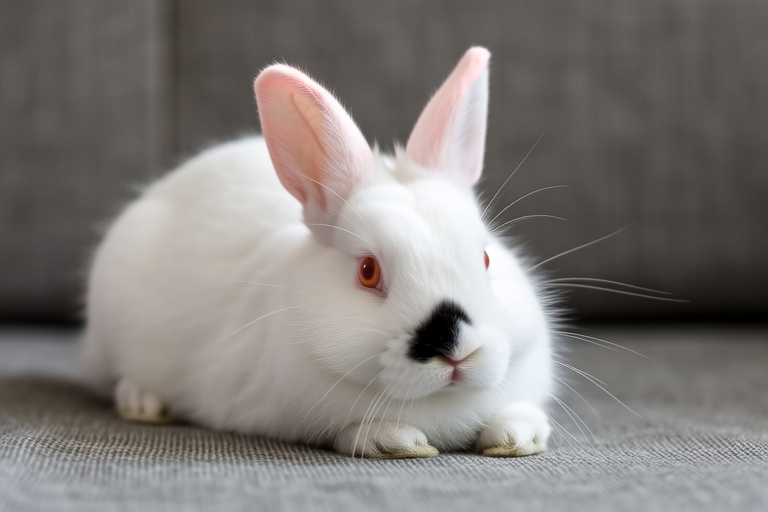
Tiny but Mighty: Why Dutch Dwarf Rabbits Steal Our Hearts
Dutch Dwarf rabbits have captured the hearts of many pet enthusiasts around the world with their petite size and robust personalities. These charming creatures, originally bred for meat production, have evolved into delightful companions known for their endearing appearance and affectionate nature. This article explores the fascinating world of Dutch Dwarf rabbits, from their origins and ideal living conditions to their dietary needs and common health issues. We will also delve into their temperament, interaction with humans, and training tips, all while emphasizing why these traits make them beloved pets.
Origins and Characteristics
The Dutch Dwarf rabbit breed originated in Holland during the early 1900s. Breeders sought to create a smaller version of the popular Dutch rabbit, resulting in the development of the Dutch Dwarf. They were initially bred for their meat, but their charming personalities and compact size soon made them popular as pets. Dutch Dwarfs are known for their distinctive color patterns, typically featuring a white blaze and contrasting colored body, ears, and tail. Their small size, usually weighing between 2 to 2.5 pounds, makes them ideal for apartment living, though they still require ample space to move and exercise.
Ideal Living Conditions
Creating a safe and comfortable environment for your Dutch Dwarf rabbit is crucial. Provide a spacious cage or hutch that allows for plenty of movement and includes areas for sleeping, eating, and playing. The cage should be at least three times the length of the rabbit when stretched out. Additionally, ensure that the enclosure is secure, with solid sides and a covered top to prevent escapes. Indoor living is generally recommended for these rabbits due to their vulnerability to extreme temperatures and predators. A litter box can be introduced for ease of cleaning and to encourage good habits.
Dietary Needs
A balanced diet is essential for maintaining the health of your Dutch Dwarf rabbit. Their primary food should consist of high-quality hay, which aids in digestion and dental health. Fresh vegetables and fruits can be offered in moderation as treats. It’s important to introduce new foods gradually to avoid digestive upset. Pellets formulated for dwarf breeds should also be provided, but in limited quantities to prevent obesity. Always provide fresh water, either through a sipper bottle or a shallow dish, ensuring it remains clean and accessible.
Common Health Issues
Like any pet, Dutch Dwarf rabbits are prone to certain health issues. One common concern is dental problems, which can arise if the teeth do not wear down properly. Regular veterinary check-ups and a diet rich in hay help mitigate this risk. Another issue is gastrointestinal stasis, where the digestive system slows down or stops. Signs include reduced appetite, lethargy, and changes in fecal output. Immediate veterinary attention is necessary if this condition is suspected. Obesity is another significant concern, so monitoring their diet and providing opportunities for exercise are vital.
Temperament and Interaction with Humans
Dutch Dwarf rabbits are known for their playful and sociable nature. They enjoy interacting with their human companions and can form strong bonds with those who take the time to care for them. While they may be shy initially, patience and gentle handling can help them become more confident. They are curious and enjoy exploring their surroundings, making them fun pets for families. However, it’s important to handle them carefully due to their small size and delicate bones. Providing toys and activities can keep them mentally stimulated and prevent boredom.
Training Tips
Training Dutch Dwarf rabbits can be both rewarding and enjoyable. Positive reinforcement techniques, such as offering treats and praise, work well for teaching them basic commands and tricks. Litter training is a practical skill that can be taught by placing a litter box in a designated area and rewarding them for using it. Consistency is key, and patience is necessary as rabbits learn at their own pace. Training sessions should be short and frequent to maintain their interest and enthusiasm.
Why They Make Beloved Pets
The combination of their small size, robust personality, and affectionate nature makes Dutch Dwarf rabbits beloved pets. Their adaptability to various living situations, coupled with their relatively low maintenance, makes them suitable for many households. Their playful and curious demeanor adds a joyful element to daily life, and their ability to bond with their owners creates a unique companionship. Their compact size means they require less space than larger breeds, making them ideal for apartment dwellers or those with limited outdoor areas.
Advice for Potential Owners
If you’re considering adopting a Dutch Dwarf rabbit, there are several factors to consider. First, ensure you have the time and resources to provide proper care. Research local shelters and rescues to find a reputable source for adoption. Once home, take the time to acclimate your new pet to its environment and establish routines for feeding, cleaning, and playtime. Remember, rabbits are social animals and thrive on interaction, so be prepared to spend quality time with your furry friend.
While Dutch Dwarf rabbits are delightful companions, they do come with specific care requirements. Their small size necessitates careful handling, and their dietary needs must be met to prevent health issues. By understanding and addressing these needs, you can ensure a long and happy life for your rabbit. With their unique charm and loving nature, Dutch Dwarf rabbits are sure to win over your heart.
