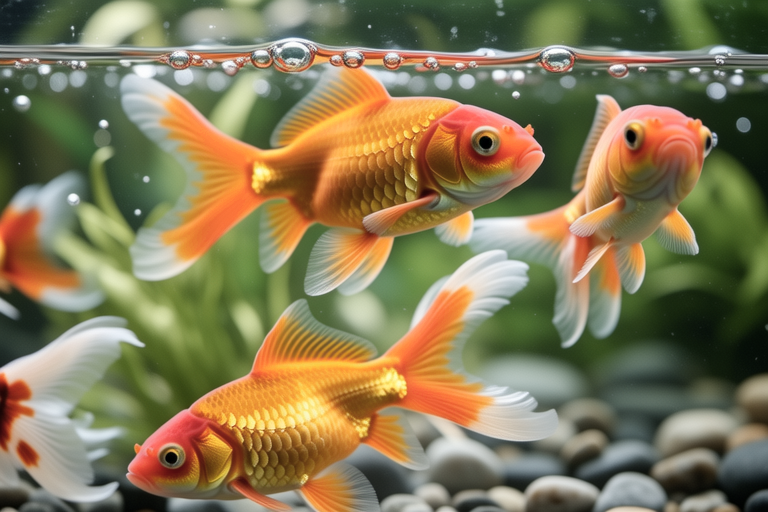
Goldfish Behavior Decoded: Understanding Your Aquarium Companion
Welcome to the fascinating world of goldfish! These vibrant, curious creatures have captivated humans for centuries. Whether you’re a seasoned aquarist or a beginner, understanding your goldfish’s behavior can significantly enhance your enjoyment and their well-being. This article delves into the common behaviors of goldfish, their significance, and tips for optimal care.
Feeding Habits: Nourishing Your Goldfish
Observing how your goldfish eat can provide valuable insights into their health and well-being. Goldfish are omnivores, consuming a variety of foods, from pellets and flakes to live plants and insects. They have a small stomach but a large appetite, which means they can eat several times their body weight in food over the course of a day. However, overfeeding can lead to health issues, including swim bladder disorders and constipation.
Feed your goldfish small amounts frequently, ideally twice a day. Watch for any uneaten food sinking to the bottom of the tank, as this can cause water quality issues. A healthy goldfish will eagerly approach the surface when fed, indicating that they are receiving adequate nutrition.
Sleeping Patterns: Resting Comfortably
Goldfish do not sleep like mammals; instead, they enter a state of rest characterized by reduced activity and a slower heart rate. During these periods, they may hover near the bottom of the tank or float near the surface. Unlike humans, goldfish do not close their eyes while resting. Instead, they rely on their lateral line system, a network of sensory organs along their sides, to detect movement and potential threats.
To ensure your goldfish get enough rest, maintain a consistent lighting schedule. Turn off the lights at night and avoid sudden movements or loud noises near the tank. A peaceful environment allows them to rest more comfortably, contributing to their overall health.
Social Interactions: The Social Life of Goldfish
Goldfish are generally social animals and thrive in groups. They enjoy swimming together and interacting with each other, especially during feeding times. In a community tank, goldfish often form loose hierarchies, where dominant fish may assert their dominance through aggressive behavior like chasing or nipping. While some level of interaction is normal, excessive aggression can be a sign of overcrowding or stress.
It’s essential to provide ample space and hiding spots within the tank to reduce stress and promote peaceful coexistence. Plants, rocks, and caves can serve as refuge areas, allowing less dominant fish to retreat when necessary. Regularly monitor the tank’s population to ensure there isn’t overcrowding, which can lead to increased stress and disease.
Responses to Environmental Changes: Adapting to Their Environment
Goldfish are highly adaptable to various environmental conditions, but sudden changes can stress them out. Common signs of distress include lethargy, loss of appetite, and unusual swimming patterns such as floating upside down or rubbing against objects in the tank. To minimize stress, introduce new elements gradually and monitor your fish closely for any signs of discomfort.
Environmental factors like temperature, pH levels, and water hardness play crucial roles in maintaining a healthy tank. Goldfish prefer cooler temperatures between 68°F and 74°F (20°C to 23°C). Sudden temperature fluctuations can shock their systems, so it’s important to keep the tank stable. Regular water changes and proper filtration are also vital to maintaining water quality.
The Importance of a Healthy Tank Environment
A clean, well-maintained tank is essential for the physical and mental health of your goldfish. High ammonia and nitrite levels can be toxic, leading to respiratory distress and other health issues. To prevent these problems, perform regular water tests and make partial water changes weekly. A good rule of thumb is to change about 20% of the tank water every week.
Investing in a high-quality filter that matches the size of your tank ensures continuous water circulation and filtration. Additionally, incorporating live plants into the tank can help improve water quality by absorbing excess nutrients and providing oxygen. Plants also offer hiding spots and contribute to the overall aesthetic appeal of the aquarium.
Tips for Optimal Care
- Proper Feeding: Feed your goldfish small amounts frequently and observe their eating habits to ensure they are healthy.
- Consistent Lighting: Maintain a regular lighting schedule to help regulate their rest cycles.
- Monitoring Social Dynamics: Observe interactions within the tank to ensure a harmonious environment.
- Gradual Changes: Introduce new elements slowly to avoid shocking your goldfish.
- Water Quality: Perform regular water tests and partial water changes to maintain optimal conditions.
Conclusion
Understanding your goldfish’s behavior is key to providing them with a healthy and enriching environment. By observing their feeding habits, sleeping patterns, social interactions, and responses to environmental changes, you can better meet their needs and enhance their well-being. With proper care and attention, your goldfish will thrive, bringing joy and companionship to your home for years to come.
