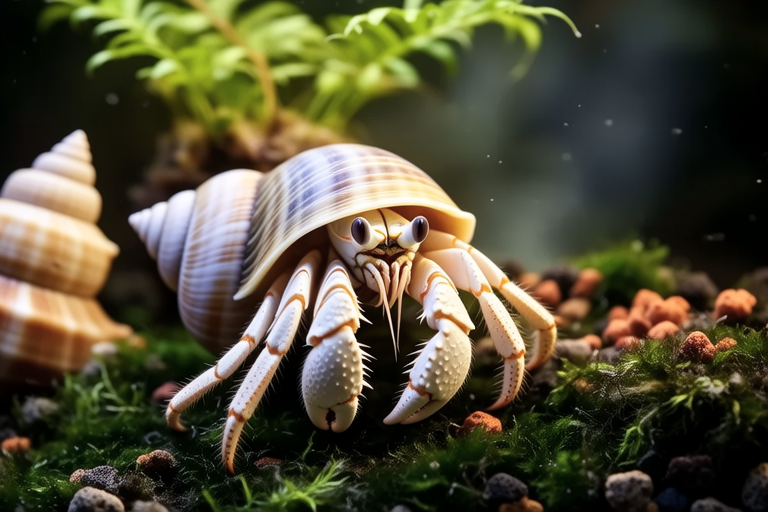
Shell Shocked! Everything You Need to Know Before Adopting a Hermit Crab
Welcome to the fascinating world of hermit crabs! These unique creatures are increasingly becoming popular pets due to their charming personalities and relatively low maintenance. Before you bring home your first hermit crab, it’s essential to understand their distinct characteristics, care requirements, and the commitment involved. This comprehensive guide will help you make informed decisions and ensure your new pet thrives.
The Unique Characteristics of Hermit Crabs
Hermit crabs are fascinating crustaceans known for their unusual habit of living inside discarded shells. Unlike other crabs, they lack a hard exoskeleton and rely on these shells for protection. They are social animals that thrive in groups, and their natural environment is tropical beaches. Their mobility and adaptability make them ideal for aquariums and terrariums. However, it’s important to note that hermit crabs can live for several years under proper care, making them long-term companions.
Habitat Requirements
Creating the right habitat is crucial for your hermit crab’s well-being. They require a warm, humid environment that mimics their natural beach habitat. The substrate should be deep enough to allow digging and burrowing, typically around 4 inches. Sand or coconut fiber is preferred over gravel or bark because it is softer and less likely to cause injury.
Adequate ventilation is also vital. While hermit crabs need humidity, too much moisture can lead to respiratory issues. Use a screen lid or provide ventilation holes to maintain air circulation. Additionally, include climbing structures such as branches, rocks, or driftwood to encourage natural behaviors like climbing and exploring.
Ideal Tank Setup
Your hermit crab’s tank should be spacious, allowing ample room for exploration and interaction. A general rule of thumb is to provide at least 3 square feet of floor space per crab. For a single hermit crab, a 10-gallon tank is sufficient, but larger tanks are recommended for multiple crabs to prevent overcrowding.
In addition to the substrate and climbing structures, include a water dish for drinking and soaking. Hermit crabs drink by submerging their claws in water and then transferring it to their mouths. The water should be shallow and non-chlorinated. Also, provide a saltwater dish for shell changes. Saltwater helps remove any unwanted organisms from the shells and aids in the molting process.
Necessary Tank Mates
Hermit crabs are generally peaceful and can coexist with other species. However, it’s essential to choose compatible tank mates carefully. Avoid aggressive fish or snails that might harm your hermit crabs. Opt for small, non-aggressive species like dwarf shrimp or nerite snails. These creatures can help keep the tank clean without posing a threat to your hermit crabs.
Dietary Needs and Feeding Habits
Hermit crabs are omnivorous, meaning they eat both plant and animal matter. In the wild, they feed on decaying plants, algae, and small marine life. As pets, they enjoy a varied diet that includes fruits, vegetables, proteins, and calcium-rich foods. Offer a mix of fresh produce like apples, bananas, carrots, and spinach. Supplement their diet with protein sources such as cooked chicken, fish, or shrimp. Calcium is vital for healthy shell growth, so include calcium supplements or cuttlebone in their diet.
Hermit crabs have a unique feeding behavior; they prefer to eat in small amounts throughout the day rather than large meals. Place food in shallow dishes scattered around the tank to encourage exploration and foraging. Remove uneaten food after 24 hours to prevent mold growth and maintain hygiene.
Frequency of Feeding
Feed your hermit crabs daily, offering small portions to avoid waste and spoilage. Monitor their eating habits to adjust portion sizes accordingly. Freshness is key, so always provide clean, uncontaminated food. Additionally, consider rotating their diet to ensure they receive a balanced range of nutrients.
The Importance of Shell Changes
One of the most exciting aspects of owning hermit crabs is watching them change shells. This behavior is crucial for their survival, as it allows them to grow and protect themselves. When a hermit crab outgrows its current shell, it seeks a new one that provides adequate space and security. Providing a variety of shells is essential to support this natural process.
Choose shells of different sizes, shapes, and textures to accommodate various preferences. Ensure the shells are clean and free from debris. To encourage shell changes, place the shells in a shallow dish of saltwater. The saltwater helps soften the old shell and makes it easier for the hermit crab to exit. Observe your crabs during this process and provide assistance if needed, but avoid forcing them into new shells.
Common Health Issues and Signs of Illness
Despite being hardy creatures, hermit crabs can still experience health issues. Recognizing the signs of illness early can prevent complications and promote recovery. Common health problems include respiratory distress, molting issues, and shell rot. Respiratory distress manifests as labored breathing or lethargy, often caused by poor ventilation or high humidity levels. Molting issues occur when crabs struggle to shed their exoskeletons, leading to deformities or death if left untreated. Shell rot is characterized by soft, discolored areas on the shell, usually due to bacterial infections.
To prevent these issues, maintain optimal tank conditions, including temperature, humidity, and cleanliness. Regularly inspect your crabs for signs of distress or abnormalities. If you notice any concerning symptoms, consult a veterinarian specializing in exotic pets for proper diagnosis and treatment.
Preventive Care
Proper preventive care is essential for maintaining your hermit crabs’ health. Regular cleaning of the tank and equipment is crucial to prevent the buildup of harmful bacteria. Change the substrate every few months, and clean all accessories thoroughly. Maintain appropriate water levels in both freshwater and saltwater dishes. Provide a balanced diet and monitor their eating habits closely.
Additionally, handle your hermit crabs gently and infrequently to minimize stress. Stress can weaken their immune systems, making them more susceptible to illnesses. Create a stable environment with consistent lighting and temperature to promote overall well-being.
Advice on Handling and Bonding
Handling your hermit crabs should be done with care and respect. Always wash your hands before and after interacting with them to prevent the transfer of oils or chemicals. Gently scoop them up with both hands, supporting their body and shell. Avoid pinching or squeezing, as this can cause injury.
Bonding with your hermit crabs takes time and patience. Spend regular, quiet time with them in their tank, observing their behavior and interactions. Some hermit crabs may become accustomed to human presence and even show signs of recognition. Respect their boundaries and avoid forcing interactions. Over time, you’ll develop a deeper understanding of your pets and strengthen your bond.
Resources for Further Learning
Learning about hermit crabs is an ongoing process. Explore reputable books, articles, and forums dedicated to hermit crab care. Join online communities where experienced owners share tips and advice. Attend local reptile expos or pet stores hosting workshops on exotic pets. The more you learn, the better equipped you’ll be to provide exceptional care for your hermit crabs.
