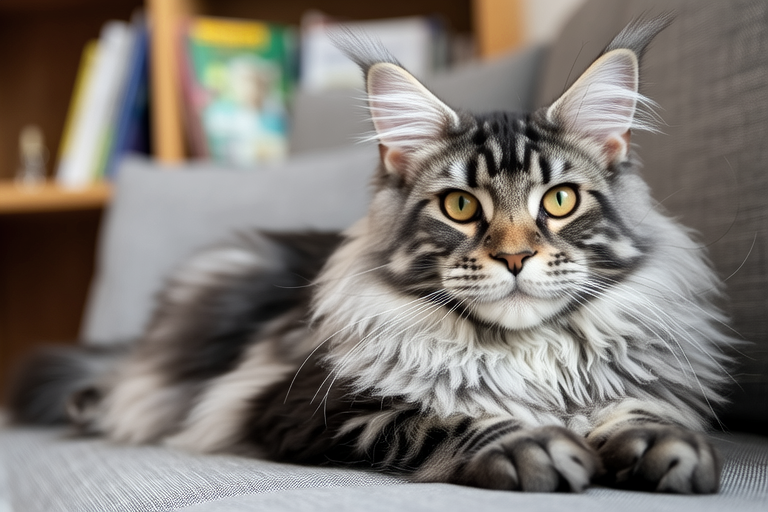
The Gentle Giants: Caring for Your Maine Coon Like a Pro
Maine Coons are one of the largest domesticated cat breeds, known for their impressive size, gentle demeanor, and striking appearance. Originating from the cold northeastern United States, these felines have a rich history that dates back centuries. They are often referred to as ‘gentle giants’ due to their large size and friendly nature. This article aims to provide comprehensive guidance on how to care for a Maine Coon, ensuring they live long, healthy, and happy lives.
Unique Characteristics of Maine Coons
Maine Coons are renowned for their size, which can range from 9 to 18 pounds for females and 13 to 25 pounds for males. Their large, muscular bodies are complemented by a thick, water-resistant coat that protects them against harsh weather conditions. The breed’s tufted ears and bushy tails add to their distinctive look. Maine Coons have a playful yet calm temperament, making them excellent companions for families and individuals alike.
Historically, Maine Coons were prized for their hunting skills and ability to adapt to various environments. They are believed to be descendants of cats brought to North America by European settlers. Over time, they developed traits that allowed them to thrive in the rugged New England climate, including their dense fur and sturdy build. Today, Maine Coons are popular pets admired for their intelligence and affectionate nature.
Proper Nutrition
Feeding a Maine Coon requires careful attention to their dietary needs. These cats are prone to obesity, so it’s crucial to monitor their calorie intake. High-quality commercial cat food that meets AAFCO standards is recommended. Look for foods that are rich in protein and low in carbohydrates. Wet food is particularly beneficial as it helps maintain hydration levels, which is important for urinary tract health.
Consult with your veterinarian to determine the appropriate portion sizes based on your cat’s age, weight, and activity level. Avoid feeding them human food, especially those containing garlic or onions, as these can be toxic to cats. Fresh water should always be available, and it’s a good idea to encourage drinking by providing multiple water sources around the house.
Grooming Needs
Maine Coons have a double-layered coat that requires regular grooming to prevent matting and skin issues. Brushing your cat at least once a week is ideal, though more frequent sessions may be necessary during shedding seasons. Use a slicker brush or comb to remove loose hair and distribute natural oils throughout the coat.
Bathing your Maine Coon is generally not required unless they get excessively dirty or develop a skin condition. If bathing is needed, use a cat-specific shampoo and ensure thorough rinsing to avoid any residue. Nail trimming should be done every few weeks, and it’s best to start this practice when your cat is young to make it less stressful for both you and your pet.
Health Considerations
While Maine Coons are generally healthy, they are susceptible to certain genetic disorders. Hypertrophic cardiomyopathy (HCM), a heart condition, is one of the most common concerns. Regular veterinary check-ups are essential for early detection and management of such conditions.
Another potential issue is hip dysplasia, which can cause discomfort and mobility problems. Maintaining a healthy weight through proper diet and exercise can help mitigate these risks. Additionally, dental hygiene is important, so provide your cat with chew toys or treats designed to promote oral health.
Exercise Requirements
Despite their large size, Maine Coons are quite active and enjoy interactive play. Engaging them in daily play sessions using toys like feather wands or laser pointers can help keep them mentally stimulated and physically fit. Climbing structures, such as cat trees, also offer opportunities for exercise and exploration.
Outdoor access can be beneficial if safely managed. However, indoor living is perfectly acceptable as long as there are enough environmental enrichment options. Puzzle feeders, scratching posts, and vertical spaces like shelves or perches can provide mental stimulation and physical activity.
Socialization and Training
Maine Coons are social animals that enjoy interacting with humans and other pets. Early socialization is key to developing a well-adjusted cat. Expose your kitten to different people, sounds, and environments from an early age to help them become comfortable and confident.
Training your Maine Coon can be rewarding but requires patience and positive reinforcement. Clicker training, where a clicker is used to mark desired behaviors followed by a reward, can be effective. Teaching basic commands like ‘come,’ ‘sit,’ and ‘stay’ can enhance communication between you and your cat.
Creating a Safe and Enriching Environment
To create a safe and enriching environment for your Maine Coon, consider their natural instincts and preferences. Provide plenty of hiding spots, such as cardboard boxes or tunnels, to give them a sense of security. Ensure all windows and balconies are securely screened to prevent accidental falls.
Cat-proof your home by securing loose wires and placing hazardous items out of reach. Install secure cat flaps if you allow outdoor access, and consider microchipping your cat for identification purposes. Finally, invest in quality litter boxes and choose a location that offers privacy and easy access for your cat.
In conclusion, caring for a Maine Coon involves understanding their unique needs and providing them with love, attention, and proper care. By following these guidelines, you can ensure that your gentle giant remains healthy, happy, and an integral part of your family for many years to come.
