Meet the Rare Hotot Rabbit: A Complete Care Guide
Welcome to your ultimate guide to caring for the exquisite Hotot rabbit! This rare breed is a marvel of nature, offering a unique blend of beauty and charm. Originating from France, the Hotot is known for its striking appearance and gentle demeanor. Whether you’re a first-time owner or an experienced breeder, this guide will provide all the essential information you need to ensure your Hotot rabbit lives a happy and healthy life.
The Origin and Unique Characteristics of the Hotot Rabbit
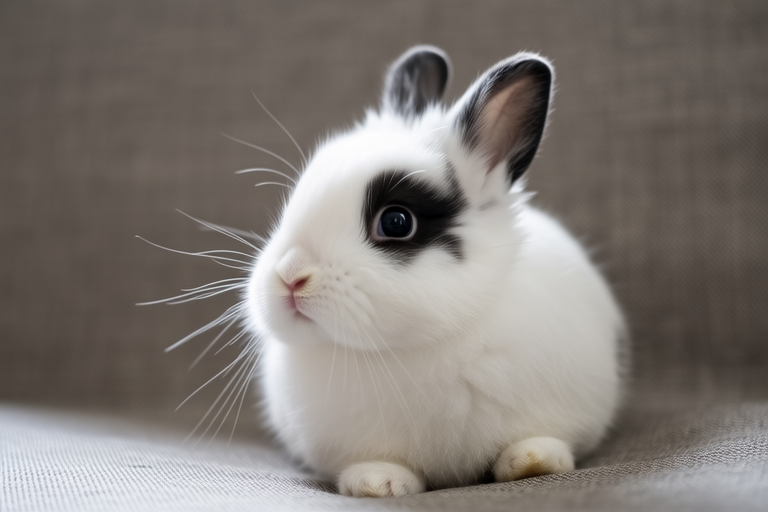
The Hotot rabbit was developed in France by Eugène Étancelin at the beginning of the 20th century. The goal was to create a breed that would have a pure white coat with black rings around each eye, resembling the appearance of spectacles. The name ‘Hotot’ comes from the village where this breed was first developed, Hottot-en-Auge. The Hotot rabbit is a medium-sized breed, typically weighing between 3.6 to 4.5 kg (8 to 10 pounds). They are known for their short, dense fur and their distinctive markings.
One of the most remarkable features of the Hotot rabbit is its eye ring. The black eye ring is a result of a genetic mutation and is highly prized in show rabbits. The eyes are usually bright and expressive, adding to the breed’s appeal. Their body is compact and well-proportioned, with a strong bone structure and a round head. The Hotot rabbit is also known for its calm and docile temperament, making it a great pet for families with children.
Dietary Needs of the Hotot Rabbit
Proper nutrition is crucial for the health and longevity of your Hotot rabbit. A balanced diet should consist of hay, fresh vegetables, and a limited amount of pellets. Timothy hay is recommended as the primary component of their diet, providing necessary fiber for digestive health. Fresh vegetables, such as romaine lettuce, parsley, and cilantro, should be offered daily in moderation. Avoid feeding your rabbit iceberg lettuce or cabbage, as these can cause digestive issues. Pellets should be high-quality and formulated for rabbits, and they should be provided in limited quantities to prevent obesity.
Water is essential for your Hotot rabbit, so make sure to provide clean, fresh water daily. A water bottle with a sipper tube is preferable as it keeps the water clean and reduces spillage. Treats should be given sparingly and should not exceed 10% of their daily food intake. Fruits, carrots, and other sweet treats can be offered occasionally but should not replace the main components of their diet.
Housing Requirements for Your Hotot Rabbit
Creating a suitable living environment for your Hotot rabbit is vital for their comfort and well-being. An indoor hutch is ideal, providing protection from extreme weather conditions and predators. The hutch should be spacious enough for your rabbit to move around freely and stand up on its hind legs without touching the top of the cage. A minimum size of 30 inches wide, 30 inches deep, and 24 inches high is recommended for a single adult rabbit. For multiple rabbits, additional space should be provided to accommodate their activity levels.
The bedding material should be safe and comfortable. Aspen shavings or paper-based bedding are good choices as they are absorbent and easy to clean. Avoid pine or cedar shavings, as they can be harmful to your rabbit’s respiratory system. Providing a litter box within the hutch encourages proper bathroom habits and helps keep the living area clean. Regular cleaning of the hutch is necessary to maintain hygiene and prevent the buildup of ammonia from urine, which can lead to respiratory problems.
Exercise Necessities for Your Hotot Rabbit
Rabbits are active creatures that require ample opportunity to exercise. In addition to their hutch, a safe and secure outdoor run or indoor play area is essential. This allows them to stretch their legs, explore new surroundings, and engage in natural behaviors. Supervision is important when letting your rabbit out of its hutch to ensure they don’t chew on electrical cords or ingest harmful substances.
Interactive toys can also stimulate your Hotot rabbit mentally and physically. Chew toys made from untreated wood or cardboard, tunnels, and balls designed for rabbits can provide entertainment and help wear down their teeth, which grow continuously. Exercise is crucial for maintaining muscle tone and preventing obesity, so aim to provide at least three hours of supervised playtime outside the hutch each day.
Grooming Tips for Your Hotot Rabbit
Grooming your Hotot rabbit regularly is important for maintaining their coat and overall health. Brushing their short fur weekly with a soft-bristled brush helps remove loose hair and prevents matting. During shedding seasons, more frequent brushing may be necessary to keep their coat looking its best. Bathing is generally not required unless your rabbit gets particularly dirty, as it can stress them and disrupt their natural oils. If bathing is necessary, use a gentle, rabbit-safe shampoo and thoroughly rinse to avoid skin irritation.
Regular nail trimming is also part of proper grooming. Long nails can cause discomfort and affect your rabbit’s ability to walk properly. Use a small animal nail clipper and trim only the tip of the nail, avoiding the quick, which contains blood vessels and nerves. If you’re unsure about how to trim your rabbit’s nails, consult a veterinarian or a professional groomer.
Common Health Issues in Hotot Rabbits
Like any other animal, Hotot rabbits are susceptible to certain health issues. Dental problems are common in rabbits due to their continuously growing teeth. Signs of dental issues include drooling, difficulty eating, and weight loss. Regular dental check-ups by a veterinarian who specializes in exotic pets can help catch and address these issues early.
Gastrointestinal stasis, a condition where the digestive tract slows down or stops functioning, is another serious concern for rabbits. Symptoms include reduced appetite, decreased fecal production, and lethargy. Maintaining a proper diet rich in fiber and ensuring regular exercise can help prevent this condition. If you notice any signs of gastrointestinal stasis, seek veterinary care immediately.
Respiratory infections can also occur in rabbits, especially if they are exposed to drafts or poor ventilation. Coughing, sneezing, and discharge from the nose or eyes are common symptoms. Keeping the living area clean and dry, and avoiding exposure to dusty environments, can reduce the risk of respiratory issues. If you suspect your rabbit has a respiratory infection, consult a veterinarian for appropriate treatment.
Socializing and Training Your Hotot Rabbit
Socializing your Hotot rabbit is important for their emotional well-being. Spend time interacting with your rabbit daily, handling them gently and speaking to them in a calm, soothing voice. Positive reinforcement techniques, such as offering treats and praise, can encourage good behavior. Training your rabbit to use a litter box can be achieved through patience and consistency. Place the litter box in a designated area and reward your rabbit whenever they use it correctly.
Introducing your Hotot rabbit to new people and animals should be done gradually to minimize stress. Allow them to approach others at their own pace and provide reassurance throughout the process. Socialization can help your rabbit become more confident and adaptable, enhancing their quality of life.
Tips on Choosing the Right Veterinarian
Selecting a veterinarian who specializes in exotic pets, particularly rabbits, is crucial for your Hotot rabbit’s health. Look for a veterinarian who has experience treating rabbits and understands their specific needs. Ask for recommendations from local rabbit clubs or online communities. During your initial visit, observe the clinic’s cleanliness and the staff’s knowledge and attitude towards rabbits. Building a good relationship with your veterinarian ensures prompt and effective medical care for your rabbit.
Resources for Further Learning About Hotot Rabbit Care
To deepen your knowledge about Hotot rabbit care, consider joining rabbit-specific forums and social media groups. These platforms offer valuable insights and support from experienced owners. Books and articles dedicated to rabbit care can also be beneficial. Some recommended titles include “House Rabbit Society’s Guide to a Happy Healthy Rabbit” and “The Bunny Book: A Complete Guide to Living with Your Pet Rabbit.” Attending rabbit shows and workshops can provide hands-on learning opportunities and networking with fellow enthusiasts.
In conclusion, the Hotot rabbit is a fascinating and rewarding companion. By understanding their unique needs and providing proper care, you can ensure your Hotot rabbit enjoys a long and healthy life. Remember, every rabbit is an individual, so take the time to learn about their specific preferences and adapt your care accordingly. With dedication and love, you and your Hotot rabbit will form a bond that will last a lifetime.
