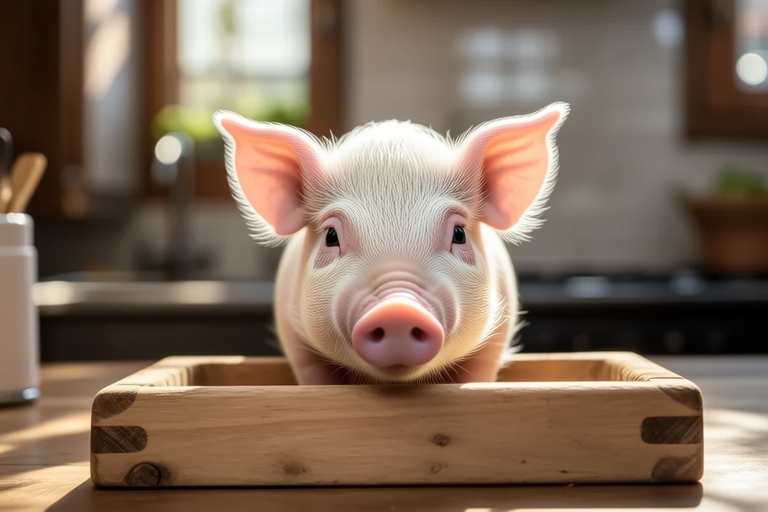
Challenges of Owning a Mini Pig: Beyond Their Cute Appearance
Mini pigs have become increasingly popular as pets due to their adorable looks. However, there are several challenges that come with owning one. This article will explore these challenges in detail, covering realistic expectations regarding their size, dietary needs, exercise requirements, living space considerations, behavioral issues, and the financial commitment involved. It will also discuss legal restrictions, health care specifics, and the importance of proper socialization.
Realistic Expectations Regarding Size
One of the most common misconceptions about mini pigs is their size. While they are indeed smaller than standard farm pigs, they can still grow to be quite large. A mini pig can weigh anywhere from 50 to 150 pounds, depending on the breed and individual genetics. Potential owners need to be aware of this and plan accordingly for their living space and feeding arrangements.
Dietary Needs
Mini pigs require a specialized diet to maintain their health. They need a high-fiber, low-fat diet that includes plenty of fruits, vegetables, and grains. Owners must be careful not to overfeed them, as obesity can lead to serious health problems. Additionally, mini pigs require access to fresh water at all times. Providing a balanced diet can be challenging, but it is essential for keeping your pet healthy.
Exercise Requirements
Like any other animal, mini pigs need regular exercise to stay healthy. They enjoy rooting around in the dirt and exploring new environments. Owners should provide opportunities for their mini pigs to engage in physical activity, such as digging in a sandbox or playing fetch. Exercise is crucial for maintaining a healthy weight and preventing boredom-related behaviors.
Living Space Considerations
Mini pigs need a safe and comfortable living environment. They should have access to a sheltered area where they can rest and sleep comfortably. The living space should be large enough for them to move around freely and engage in natural behaviors like rooting and wallowing. Additionally, owners should consider the safety of their home and yard, ensuring that there are no hazards that could harm their pet.
Behavioral Issues
Mini pigs can be intelligent and curious animals, but they can also exhibit challenging behaviors if not properly trained. Some common behavioral issues include aggression, destruction of property, and excessive barking. Proper training and socialization can help prevent these issues. Owners should also be patient and consistent when working with their mini pigs, as they may take longer to learn new behaviors than other pets.
Financial Commitment
Owning a mini pig can be expensive. In addition to the initial cost of purchasing the animal, owners must budget for food, veterinary care, grooming, and other expenses. Regular check-ups with a veterinarian who specializes in exotic animals are important for maintaining good health. Additionally, pet insurance can help cover unexpected medical costs.
Legal Restrictions
Potential owners should research local laws and regulations regarding mini pig ownership before bringing one home. Some areas may have restrictions or outright bans on keeping mini pigs as pets. It is important to understand the legal requirements and ensure compliance to avoid any legal issues.
Health Care Specifics
Mini pigs require regular veterinary care to stay healthy. They are prone to certain health conditions, such as respiratory infections, dental problems, and skin issues. Owners should work closely with a veterinarian who has experience with mini pigs to develop a preventive care plan. Vaccinations, parasite control, and routine check-ups are all important aspects of maintaining good health.
The Importance of Proper Socialization
Socialization is crucial for mini pigs, as it helps them develop positive relationships with humans and other animals. Owners should introduce their mini pigs to new people and experiences gradually, allowing them to become comfortable with their surroundings. Proper socialization can also help prevent behavioral issues and promote a happy, well-adjusted pet.
Tips for Potential Owners
Before bringing a mini pig into your home, it is important to do your research and prepare for the long-term responsibilities of caring for one. Here are some tips:
- Research local laws and regulations regarding mini pig ownership.
- Find a reputable breeder or rescue organization.
- Prepare a suitable living space and necessary supplies.
- Develop a feeding plan with the guidance of a veterinarian.
- Plan for regular veterinary care and budget for expenses.
- Be patient and consistent with training and socialization.
- Consider adopting an adult pig if you’re unsure about the commitment.
Owning a mini pig can be a rewarding experience, but it requires careful consideration and preparation. By understanding the challenges and taking steps to meet the needs of your pet, you can provide a loving and supportive home for your mini pig.
