Ragdoll Cats: The Ultimate Guide for New and Experienced Owners
Introduction to Ragdoll Cats
The Ragdoll is a breed of cat known for its docile and affectionate temperament. Originating in the United States during the 1960s, this breed was developed by Ann Baker, a breeder from Riverside, California. She aimed to create a cat that would be friendly, gentle, and easy to handle, leading to the development of the Ragdoll.
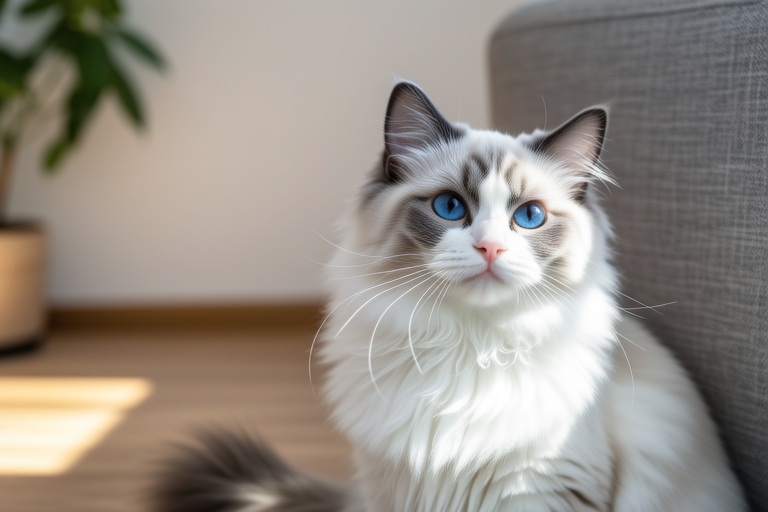
Physically, Ragdolls are medium to large-sized cats with a robust build and a soft, plush coat. They have a distinct blue-eyed gaze and a semi-longhaired coat that requires regular grooming. Their fur is often described as having a rabbit-like texture, making them a delight to touch.
Temperament and Behavior
Ragdolls are renowned for their laid-back nature and their tendency to go limp when picked up, hence their name. This breed is highly sociable and loves to be around people, making them ideal companions for families or individuals looking for a loving pet. They are also known for their patience and tolerance, which can make them excellent choices for households with children or other pets.
These cats are intelligent and often learn to follow simple commands, such as coming when called or retrieving toys. They are also playful but tend to conserve energy, meaning they are less hyperactive than some other breeds. Their calm demeanor and affectionate nature make Ragdolls popular among cat enthusiasts.
Grooming Needs
Ragdolls have a semi-longhaired coat that requires regular grooming to maintain its health and appearance. Brushing your Ragdoll at least twice a week will help prevent matting and remove loose hair, reducing shedding around the house. Using a slicker brush or a wide-toothed comb can help manage their coat effectively.
Bathing may be necessary every few months, especially if your cat gets dirty or has skin issues. Always use a cat-specific shampoo to avoid irritating their skin. Additionally, keeping their nails trimmed and checking their ears for signs of infection or dirt buildup is essential for their overall hygiene.
Dietary Requirements and Feeding Guidelines
Ragdolls require a balanced diet rich in protein, fats, and other nutrients to support their growth and maintain their health. High-quality commercial cat food, either dry or wet, formulated specifically for indoor cats, is recommended. These foods typically contain the right balance of nutrients and are designed to meet the dietary needs of cats.
Feeding guidelines vary based on the cat’s age, weight, and activity level. Generally, adult Ragdolls should be fed two small meals daily rather than one large meal. This approach helps in maintaining a healthy weight and prevents digestive issues. Always ensure fresh water is available at all times.
Health Concerns Specific to Ragdolls
Like any breed, Ragdolls are susceptible to certain health conditions. Hypertrophic cardiomyopathy (HCM) is one of the most common heart diseases affecting this breed. Regular veterinary check-ups can help monitor their heart health and catch any potential issues early.
Other health concerns include obesity, dental disease, and urinary tract infections. Maintaining a healthy weight through proper diet and exercise, along with regular dental care and monitoring urine output, can help manage these issues. Genetic testing can also be beneficial for identifying predispositions to certain conditions.
Training Techniques
Ragdolls are intelligent and can be trained to respond to basic commands and tricks. Positive reinforcement, using treats and praise, is the most effective method. Start by teaching simple commands like ‘sit’ or ‘come,’ then gradually introduce more complex behaviors.
Toys that encourage mental stimulation and physical activity are also beneficial. Puzzle feeders, laser pointers, and interactive play sessions can keep your Ragdoll engaged and mentally sharp. Consistency and patience are key when training your Ragdoll.
Tips for Creating a Stimulating Environment
Ragdolls enjoy a quiet, peaceful environment but still need opportunities for play and exploration. Providing scratching posts, climbing structures, and hiding spots can enrich their surroundings. Interactive toys and games can also help keep them entertained.
Designate a space where your Ragdoll can feel safe and secure. This could be a cozy corner with a comfortable bed and soft blankets. Ensure this area is easily accessible and away from high-traffic areas in the home.
Advice on Socializing Ragdolls
Socializing Ragdolls from a young age can help them become comfortable with different people, animals, and environments. Early exposure to various stimuli can reduce anxiety and improve their adaptability.
When introducing a new Ragdoll to other pets, do so gradually and under supervision. Allow them to sniff each other and get used to each other’s presence before allowing them to interact freely. Positive experiences during socialization can lead to better relationships with other animals and humans.
Common Misconceptions About Ragdoll Cats
One common misconception is that Ragdolls are completely passive and do not require stimulation. While they are generally calm and relaxed, they still need mental and physical engagement to thrive. Another myth is that they are hypoallergenic. While some people with allergies may tolerate Ragdolls better due to their coat type, no cat is entirely hypoallergenic.
It’s important to dispel these myths to ensure realistic expectations and provide the best care possible for your Ragdoll.
Conclusion
Ragdoll cats are unique and endearing creatures that offer companionship, affection, and joy to their owners. By understanding their origins, temperament, and specific needs, you can provide the best care and environment for your Ragdoll. Remember to maintain regular veterinary care, a balanced diet, and a stimulating home environment. Responsible ownership ensures that your Ragdoll lives a long, healthy, and happy life.
