Poodle Diet Dos and Don’ts: What You Need to Know!
Welcome to our comprehensive guide on poodle diet dos and don’ts! As a poodle owner, you want to ensure your furry friend is getting the best nutrition possible. In this article, we’ll cover everything from essential nutrients to portion control, helping you make informed decisions about your poodle’s diet.
Essential Nutrients for Poodles
Poodles, like all dogs, require a balanced diet that includes proteins, fats, carbohydrates, vitamins, and minerals. Proteins are crucial for muscle development and repair, while fats provide energy and support healthy skin and coat. Carbohydrates offer quick energy, and vitamins and minerals play vital roles in overall health. Omega-3 and omega-6 fatty acids are particularly important for maintaining a shiny coat and healthy joints.
Recommended Food Types: Dry vs Wet Food
Choosing between dry and wet food depends on your poodle’s preferences and dietary needs. Dry kibble helps keep teeth clean and promotes good dental health, while wet food can be more appealing to finicky eaters and provides higher moisture content, which aids hydration. Many owners opt for a mix of both, ensuring their poodle gets the benefits of each type.
Portion Control: The Key to Balanced Nutrition
Overfeeding can lead to obesity, which increases the risk of various health issues. It’s essential to follow feeding guidelines provided by the manufacturer or your veterinarian, adjusting portions based on your poodle’s age, activity level, and metabolism. Regular weigh-ins can help monitor your poodle’s weight and ensure they’re maintaining a healthy body condition score.
The Importance of Water Intake
Water is vital for every aspect of your poodle’s health. Encourage them to drink plenty of fresh, clean water throughout the day. Dehydration can cause serious health problems, so always have water available, especially during hot weather or after exercise. If your poodle isn’t drinking enough, consider adding some low-sodium broth to their water or providing a pet fountain to stimulate interest.
Common Dietary Pitfalls
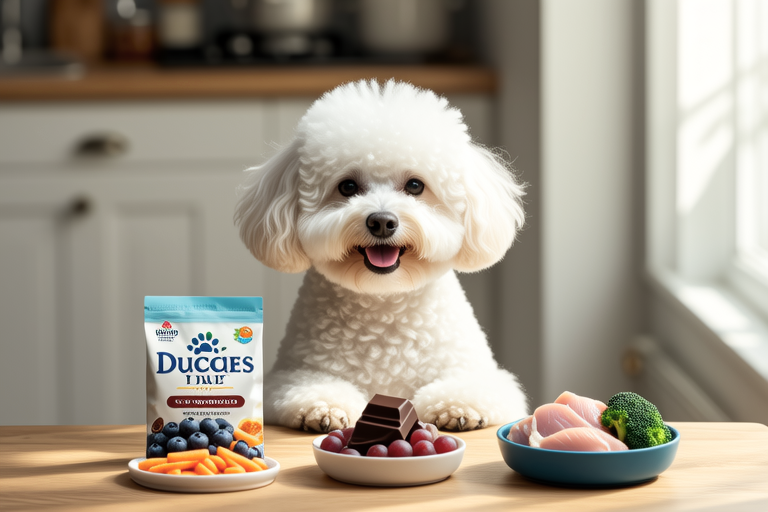
Avoid giving your poodle table scraps, as human foods often contain ingredients harmful to dogs. Some common offenders include chocolate, onions, garlic, grapes, raisins, and xylitol. Additionally, avoid excessive treats, as they can lead to weight gain and upset stomachs. Instead, choose healthy alternatives like green beans or carrots.
Allergies: Identifying and Managing Them
Food allergies can cause skin irritations, ear infections, and digestive issues. Common allergens include chicken, beef, dairy, wheat, and soy. If you suspect your poodle has a food allergy, consult your veterinarian for proper diagnosis and guidance on transitioning to a hypoallergenic diet. Rotating protein sources and monitoring reactions can also help identify problematic ingredients.
Weight Management Tips
Regular exercise and a balanced diet are key to keeping your poodle at a healthy weight. Tailor your poodle’s diet to their activity level, and avoid overfeeding during periods of reduced activity. Incorporate regular walks, playtime, and mental stimulation to keep your poodle active and engaged. Consider working with a professional dog trainer or behaviorist if your poodle is struggling with weight management.
Dispelling Common Myths About Poodle Diets
One common myth is that poodles need special diets due to their hypoallergenic status. While their coats may be less likely to trigger allergic reactions in humans, their dietary needs are no different from other breeds. Another myth is that feeding raw diets is always better. Raw diets can pose risks, including bacterial contamination and nutrient imbalances, unless carefully managed by a veterinarian.
Conclusion
Understanding your poodle’s nutritional needs and making informed choices about their diet can significantly impact their overall health and well-being. By focusing on essential nutrients, choosing appropriate food types, practicing portion control, ensuring adequate water intake, avoiding common pitfalls, managing allergies, and maintaining a healthy weight, you can help your poodle live a long, happy, and vibrant life. Remember, every poodle is unique, so tailor your approach based on individual needs and consult with your veterinarian for personalized advice.
