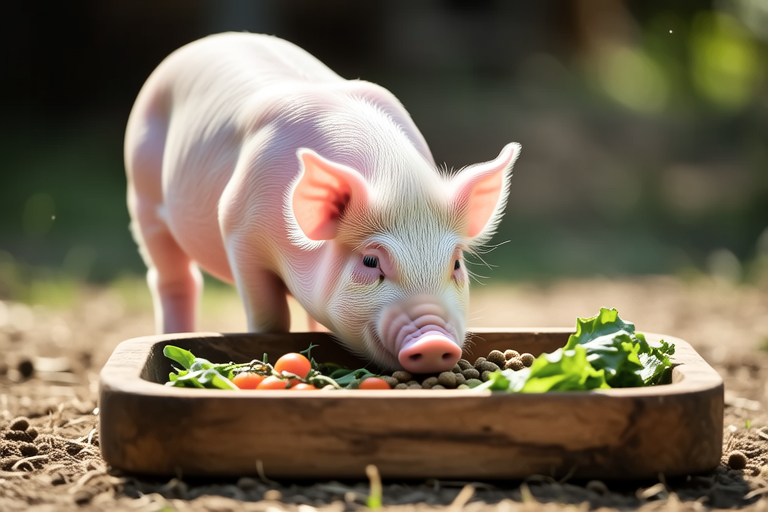
Mini Pigs: The Surprising Truth Behind Their Diet
Introduction
Mini pigs, often referred to as micro pigs or teacup pigs, have gained popularity as pets in recent years. Despite their small size, these animals have specific dietary requirements that must be met to ensure their overall health and longevity. This article delves into the nutritional needs of mini pigs, dispels common misconceptions about their diet, and provides guidance on selecting appropriate food items and maintaining a balanced diet.
Nutritional Needs of Mini Pigs
Mini pigs require a balanced diet rich in nutrients such as proteins, carbohydrates, fats, vitamins, and minerals. These elements are essential for growth, energy production, immune function, and overall well-being. A high-quality commercial pig feed designed for miniature breeds is recommended, as it ensures a proper balance of nutrients tailored to their specific needs.
Proteins are vital for muscle development and repair, while carbohydrates provide the necessary energy for daily activities. Fats are crucial for cell membrane structure and hormone production. Vitamins and minerals play a role in various bodily functions, including bone health, vision, and skin integrity. Ensuring a balanced intake of these nutrients is paramount for preventing deficiencies and maintaining optimal health.
Common Misconceptions About Mini Pig Diets
One prevalent misconception is that mini pigs can thrive solely on table scraps. While it may seem convenient to feed them leftovers, this practice can lead to obesity, nutrient imbalances, and other health issues. Another myth is that mini pigs can eat unlimited amounts of fruits and vegetables without adverse effects. Although some produce can be included in their diet, excessive consumption can cause digestive problems and weight gain.
It’s important to note that mini pigs have a slow metabolism compared to other animals, making them prone to rapid weight gain if overfed. Feeding them a diet rich in simple sugars and fats can contribute to obesity, which is associated with numerous health complications, including heart disease, arthritis, and reduced lifespan.
Appropriate Food Items for Mini Pigs
A balanced diet for mini pigs typically consists of commercial pig feed formulated specifically for their size and breed. This feed contains the necessary nutrients in the correct proportions, ensuring they receive all the essential elements for good health. Additionally, fresh water should always be available to keep them hydrated.
In addition to commercial feed, mini pigs can enjoy a variety of fruits and vegetables as treats. However, these should be offered sparingly and in moderation. Safe options include carrots, bell peppers, cucumbers, apples (without seeds), bananas, and berries. It’s crucial to avoid feeding them toxic plants such as avocados, rhubarb, and certain types of mushrooms.
Potential Health Issues Related to Improper Feeding
Improper feeding practices can lead to several health issues in mini pigs. Obesity is one of the most common problems, resulting from overfeeding and a lack of exercise. Obese pigs are at higher risk for developing diabetes, heart disease, joint problems, and respiratory issues. Conversely, underfeeding can cause malnutrition, stunted growth, and weakened immune systems.
Digestive problems can also arise from feeding inappropriate foods. For example, feeding mini pigs large quantities of high-fiber foods like hay or grass can cause gastrointestinal blockages. Similarly, consuming too much salt or sugar can lead to dehydration, electrolyte imbalances, and kidney damage.
Tips for Choosing the Right Food and Maintaining a Balanced Diet
When selecting food for your mini pig, look for products specifically formulated for miniature breeds. These feeds are designed to meet the unique nutritional needs of smaller pigs, providing the right balance of proteins, fats, carbohydrates, vitamins, and minerals. Avoid generic livestock feeds, as they may not contain the necessary nutrients for mini pigs.
To maintain a balanced diet, consider the following tips:
- Feed your mini pig twice daily, once in the morning and once in the evening, to establish a routine.
- Provide a consistent amount of food at each meal to prevent overfeeding or underfeeding.
- Offer fresh water at all times to keep your pig hydrated.
- Include occasional treats in moderation, but avoid giving them too many human foods.
- Monitor your pig’s weight regularly and adjust its diet accordingly.
Portion Control and Dietary Adjustments Based on Age, Size, and Activity Level
Portion control is essential for maintaining a healthy weight in mini pigs. The amount of food required depends on factors such as age, size, and activity level. Younger pigs generally need more calories for growth, while older pigs may require fewer calories due to decreased metabolism. Active pigs may need more food to fuel their energy expenditure, whereas less active pigs may benefit from reduced portions to prevent weight gain.
Dietary adjustments should be made gradually to avoid upsetting your pig’s digestive system. If you notice changes in your pig’s weight, appetite, or behavior, consult a veterinarian for advice on modifying its diet. Regular check-ups can help identify any potential health issues early and allow for timely intervention.
Conclusion
Understanding the nutritional needs of mini pigs is crucial for their health and happiness. By providing a balanced diet rich in essential nutrients, avoiding common feeding mistakes, and making appropriate adjustments based on individual needs, you can help ensure your mini pig lives a long, healthy life. Remember that proper nutrition goes hand-in-hand with regular exercise, mental stimulation, and veterinary care to promote overall well-being.
