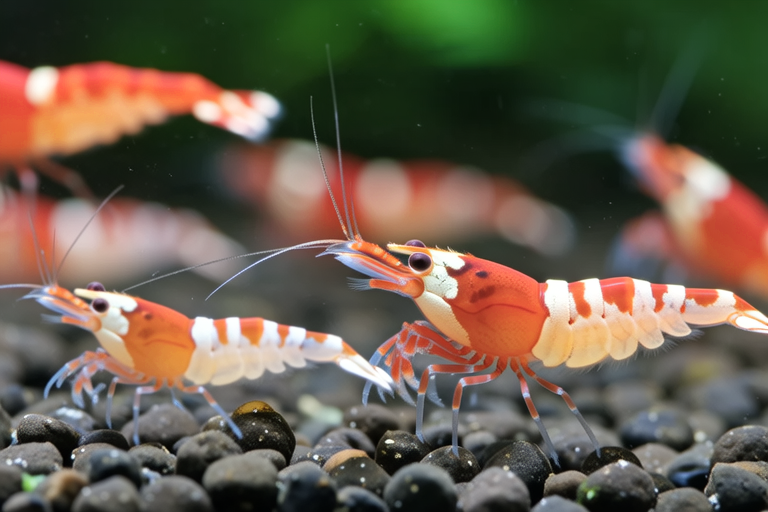
How to Care for Your Coral Shrimp Like a Pro
Welcome to your ultimate guide on caring for coral shrimp! Whether you’re a beginner or an experienced aquarist, this article will provide you with the essential knowledge and practical advice to ensure your coral shrimp thrive in their new home. From setting up the perfect tank environment to recognizing signs of a healthy shrimp, we’ve got you covered.
Setting Up the Optimal Tank Environment
The first step in successfully caring for coral shrimp is creating a suitable habitat. Coral shrimp, like most aquatic creatures, require specific conditions to flourish. Start by selecting a tank that’s large enough for your shrimp, ideally at least 10 gallons for a small group. Ensure there’s plenty of space for swimming and hiding spots, as these are crucial for reducing stress.
Substrate is another important consideration. A fine-grained sand or gravel works best, mimicking the natural environment of coral reefs. Avoid sharp or large substrates that could harm your shrimp. Additionally, incorporate live rocks into your setup. These not only enhance the aesthetic appeal but also provide beneficial bacteria that contribute to maintaining stable water conditions.
Plants are also essential for creating a balanced ecosystem. They offer additional hiding places and help keep the water oxygenated. Choose hardy species that can withstand the unique requirements of a reef aquarium. Java moss and dwarf hairgrass are excellent choices for coral shrimp tanks.
Water Parameters Crucial for Coral Shrimp Health
Maintaining the correct water parameters is vital for the well-being of your coral shrimp. Here’s what you need to focus on:
- Temperature: Keep the water temperature between 72°F and 82°F (22°C to 28°C). Use a reliable heater to maintain this range.
- pH Levels: The pH should be slightly alkaline, between 8.0 and 8.4. Regular testing is necessary to ensure stability.
- Salinity: For marine setups, aim for a salinity level of 1.023 to 1.025 specific gravity. This replicates the conditions found in their natural habitat.
- Ammonia and Nitrite: Both should be undetectable. High levels of these compounds can be toxic to your shrimp. Establishing a mature biological filter is key to achieving this.
- Nitrate: While some level of nitrate is inevitable, try to keep it below 20 ppm. Regular water changes and efficient filtration systems will help manage this.
Invest in a quality water testing kit and monitor these parameters regularly. Adjustments may be needed initially to establish a stable environment, but once settled, less frequent checks are sufficient.
Diet and Feeding Tips
Coral shrimp are omnivorous, meaning they eat both plant-based and animal-based foods. Their diet should include a variety of options to ensure they receive all necessary nutrients.
Commercially available foods such as flakes, pellets, and frozen preparations designed for saltwater invertebrates are good starting points. However, supplementing with fresh or frozen foods like brine shrimp, mysis shrimp, and algae wafers will enrich their diet further. Vegetables like spinach, blanched zucchini, and seaweed can also be offered occasionally.
Feed your shrimp small amounts several times a day rather than one large meal. This mimics their natural feeding habits and prevents overfeeding, which can lead to poor water quality. Remove any uneaten food after about 15 minutes to avoid polluting the tank.
It’s worth noting that coral shrimp are scavengers, so they will also benefit from organic matter present in the tank, including detritus and biofilm. Encourage this behavior by providing surfaces where such material can accumulate safely.
Common Diseases and Prevention Methods
Despite your best efforts, coral shrimp can still fall ill. Being proactive about disease prevention is crucial. Here are some common issues and ways to address them:
- Fungal Infections: These often appear as white patches on the shrimp’s body. Maintaining high water quality and avoiding overcrowding helps prevent fungal growth. Treatments include antifungal medications, but consult a veterinarian before administering.
- Bacterial Infections: Signs include lethargy, loss of appetite, and cloudy eyes. Keeping the tank clean and ensuring proper filtration are preventive measures. Antibiotics might be necessary if symptoms persist.
- Predation: While coral shrimp are generally peaceful, larger tankmates may pose a threat. Always research compatibility before adding new species to your aquarium.
Regular observation is key to early detection of any potential health issues. If you notice unusual behavior or physical changes, act promptly. Quarantine new additions to your tank for several weeks to minimize the risk of introducing diseases.
Spotting Signs of a Healthy Versus Unhealthy Shrimp
Understanding what constitutes a healthy shrimp is fundamental to successful care. Here are indicators of good health:
- Active swimming patterns
- Clear, vibrant colors
- Healthy appetite
- No visible injuries or deformities
In contrast, signs of distress include:
- Reduced activity
- Cloudy eyes
- Lethargy
- Abnormal coloring
- Difficulty breathing
If you observe any of these latter signs, take immediate action. Check water parameters, adjust accordingly, and consider consulting with a professional if needed.
The Role of Patience and Regular Maintenance
Caring for coral shrimp requires patience and commitment. Establishing a stable environment takes time, especially when cycling the tank. Be prepared for occasional setbacks, such as fluctuating water parameters or minor health issues.
Regular maintenance plays a significant role in sustaining a healthy shrimp population. Perform weekly water changes, typically around 10-20% of the total volume. Clean filters and decorations as needed to prevent the buildup of harmful substances.
Monitor equipment like heaters and pumps regularly to ensure they function correctly. Replace parts or upgrade systems as required to maintain optimal performance.
Actionable Insights for Enhanced Shrimp Care Routine
To further optimize your shrimp care, consider implementing these strategies:
- Use a protein skimmer to remove excess organic compounds from the water.
- Install a refugium to enhance biological filtration and provide a safe haven for smaller shrimp.
- Consider adding a calcium reactor to maintain adequate calcium levels for shell formation.
- Provide enrichment through varied feeding schedules and introducing novel elements to the tank environment.
By following these guidelines and staying attentive to your coral shrimp’s needs, you’ll create an ideal living space where they can grow and thrive.
