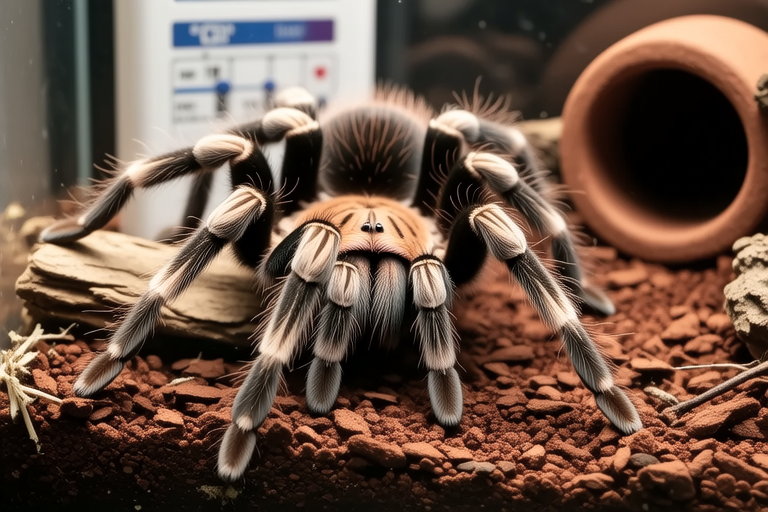
How to Create the Perfect Habitat for Your Spooky New Tarantula Friend
Welcome to the fascinating world of tarantulas! These spooky yet intriguing arachnids make for unique pets that require specific care to ensure their health and happiness. This comprehensive guide will walk you through the essential elements of creating the perfect habitat for your new tarantula friend, ensuring they thrive in their new home.
Suitable Enclosure Size and Type
The first step in creating a suitable habitat is choosing the right enclosure. Tarantulas need enough space to move around comfortably, but they also prefer enclosed spaces that mimic their natural environment. For most species, a glass or acrylic tank with a secure lid is ideal. The size of the enclosure depends on the size of the tarantula. As a general rule, the tank should be at least three times as wide as the leg span of the tarantula. A larger tank provides more room for climbing and exercise, which is crucial for their well-being.
Ideal Substrate Materials
The substrate, or bedding material, plays a vital role in maintaining the correct humidity levels and providing a comfortable surface for your tarantula to dig and burrow. Suitable substrates include coconut fiber, peat moss, or a mix of vermiculite and perlite. These materials retain moisture effectively and allow for easy burrowing. It’s important to avoid using wood chips or pine shavings, as they can harbor harmful fungi and bacteria. Additionally, ensure that the substrate is free from pesticides or chemicals that could harm your tarantula.
Appropriate Temperature and Humidity Levels
Maintaining the right temperature and humidity levels is crucial for the health of your tarantula. Most tarantulas thrive in temperatures between 75°F and 85°F (24°C to 29°C). You can achieve this by using a heat mat or under-tank heater placed on one side of the enclosure to create a temperature gradient. This allows your tarantula to regulate its body temperature by moving between warmer and cooler areas. Humidity levels should be kept between 60% and 80%, depending on the species. Use a hygrometer to monitor humidity and a spray bottle to mist the enclosure as needed.
Hiding Spots and Decor
Tarantulas are naturally shy creatures and benefit greatly from having hiding spots within their enclosure. Providing cork bark, hollow logs, or commercially available tarantula hides offers them security and reduces stress. Arrange these items in such a way that they create multiple layers and crevices, simulating their natural habitat. Avoid overcrowding the enclosure with decorations, as it can restrict movement and limit the space available for burrowing.
Ventilation Needs
Proper ventilation is essential to prevent the buildup of harmful gases and ensure fresh air circulation within the enclosure. Ensure that the enclosure has adequate ventilation holes or mesh screens on the sides or top. These openings should be covered with fine mesh to prevent escapes while allowing for airflow. However, avoid excessive ventilation that could lead to rapid loss of humidity, which would be detrimental to your tarantula’s health.
Lighting Requirements
Most tarantulas are nocturnal and do not require external lighting. In fact, exposure to bright light can cause stress and disrupt their natural behavior. If you wish to observe your tarantula during the day, use a low-wattage red or blue LED light, which is less intrusive and does not disturb their sleep patterns. Ensure that the lighting does not produce excessive heat, as it could raise the temperature inside the enclosure beyond the recommended range.
Feeding and Watering Setup
Feeding your tarantula is relatively straightforward. They primarily consume live insects such as crickets, mealworms, and dubia roaches. Offer prey items that are appropriately sized for your tarantula; typically, the prey should not exceed half the width of the tarantula’s abdomen. Feed your tarantula once or twice a week, depending on its age and appetite. Remove any uneaten prey after a few hours to prevent potential harm to your tarantula.
Water is essential for your tarantula’s hydration and molting process. Provide a shallow water dish large enough for the tarantula to drink from but small enough to prevent drowning. Place the dish on the cool side of the enclosure to maintain proper humidity levels. Regularly clean and refill the water dish to ensure it remains fresh and free from contaminants.
Regular Maintenance Tips
To keep your tarantula’s habitat clean and healthy, perform routine maintenance tasks. Spot clean the enclosure daily by removing any uneaten prey, shed skin, or fecal matter. Once a month, perform a thorough cleaning of the entire enclosure. Remove all substrate and decorations, wash them with warm water and mild soap, and rinse thoroughly. Allow everything to dry completely before replacing it in the enclosure. This helps prevent the buildup of harmful bacteria and ensures a safe living environment for your tarantula.
Safety Precautions for Handling
While tarantulas are generally docile, they can become defensive if threatened. Always handle your tarantula with care and respect. Use a long-handled tongs or a soft brush to gently coax the tarantula into a container for transport or handling. Never grab or squeeze the tarantula, as this can cause injury or stress. Always supervise children when they are around tarantulas to ensure their safety and the well-being of the animal.
Common Mistakes to Avoid When Setting Up a Tarantula Habitat
Creating a suitable habitat for your tarantula requires attention to detail and a commitment to providing the best possible environment. Some common mistakes to avoid include:
- Overcrowding the enclosure: Too many decorations can restrict movement and limit burrowing space.
- Incorrect temperature and humidity settings: Improper conditions can lead to health issues and stress.
- Inadequate ventilation: Poor ventilation can cause the buildup of harmful gases and affect humidity levels.
- Improper substrate: Using inappropriate substrate materials can lead to health problems and reduce comfort.
- Lack of hiding spots: Insufficient hiding places can cause stress and make your tarantula feel insecure.
By avoiding these common pitfalls and following the guidelines provided in this article, you can create a healthy, comfortable environment for your tarantula, ensuring they live a long and happy life.
Creating the perfect habitat for your tarantula involves careful consideration of various factors, including enclosure size, substrate materials, temperature and humidity control, hiding spots, ventilation, lighting, feeding, and regular maintenance. By providing a suitable environment, you can ensure that your spooky new friend thrives in their new home. Remember, a well-cared-for tarantula is a happy tarantula, and a happy tarantula makes for a rewarding and fascinating pet.
