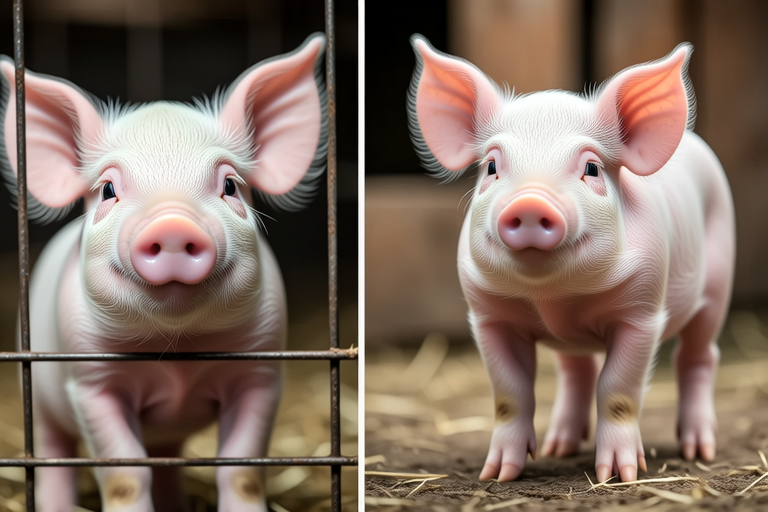
Adorable Mini Pig Transformations: From Tiny Tots to Full-Grown Beauties
Welcome to the enchanting world of mini pigs, where these endearing creatures have captured the hearts of many as cherished family members. In recent years, the popularity of mini pigs as pets has surged, thanks to their unique charm and gentle demeanor. Despite their growing appeal, there are still many misconceptions surrounding their size and care. This article will explore the fascinating journey of mini pigs from tiny tots to full-grown beauties, providing valuable insights into their physical and behavioral transformations, along with essential care tips for each stage of their lives.
The Growing Popularity of Mini Pigs
Mini pigs have become increasingly popular as pets, partly due to their compact size and friendly nature. Many people are drawn to the idea of having a small, manageable pet that requires less space than larger animals like dogs or cats. However, it’s important to dispel some common misconceptions about their size. One prevalent myth is that mini pigs remain tiny throughout their lives. While they are indeed smaller than standard farm pigs, mini pigs can still grow quite large. On average, they range between 50 to 150 pounds, depending on the breed and genetics.
Physical Transformations: Size, Color, and Behavior
From Piglet to Juvenile
The transformation from a piglet to a juvenile is nothing short of magical. Imagine bringing home a tiny piglet, no bigger than a cat, with its wrinkly skin and delicate features. At this stage, mini pigs are incredibly curious and playful. They love to explore their surroundings, often getting into everything they can reach. Their coats are typically soft and may vary in color from black to white, with patterns ranging from spots to stripes.
As they grow, their size increases dramatically. Within the first year, they can double in weight. Their legs lengthen, and their bodies fill out, making them look more proportionate. The color of their coat might change too; some piglets that start off as a light cream color may darken to a rich chocolate brown as they mature.
Juvenile to Adult
By the time mini pigs reach adulthood, around 18 months to 3 years, their physical changes are most pronounced. Their once tiny bodies now resemble miniature versions of their larger cousins. Their ears, which were once floppy and small, now stand up, giving them a more alert appearance. Their snouts, initially soft and pliable, harden and take on a more defined shape.
Behaviorally, adult mini pigs are more independent and less playful than juveniles. They tend to be more reserved, preferring quiet times over constant activity. However, they still enjoy human interaction and can form strong bonds with their owners. They might even develop specific routines, such as coming to you for food or following you around the house.
Caring for Mini Pigs at Different Life Stages
Piglet Care
Raising a piglet requires special attention and care. Piglets need a warm, comfortable environment, especially during the first few weeks of life. A heat lamp or heating pad can help maintain the right temperature. They also require a balanced diet that includes high-quality pig feed, fresh water, and occasional treats like apples or carrots. Regular socialization is crucial during this stage to ensure they grow up to be well-adjusted adults.
Juvenile Care
As piglets grow into juveniles, their dietary needs change. Juveniles should be fed a diet that supports healthy growth without causing obesity. This means reducing the amount of treats and focusing on a balanced diet that includes grains, vegetables, and fruits. Juveniles also benefit from regular exercise, so providing them with a safe outdoor area to explore is essential. Additionally, regular vet check-ups are necessary to monitor their health and development.
Adult Care
Once mini pigs reach adulthood, their dietary needs stabilize. It’s important to continue providing a balanced diet that avoids excessive calories. Adult mini pigs should be allowed plenty of space to roam and exercise, both indoors and outdoors. Mental stimulation is equally important, so consider providing toys or puzzles to keep them engaged. Regular grooming, including nail trimming and ear cleaning, helps maintain their overall health.
Why Mini Pigs Make Loving Companions
Mini pigs can make wonderful companions for those willing to meet the challenges of pet ownership. They are intelligent, affectionate, and loyal. For example, imagine coming home after a long day at work to find your mini pig waiting by the door, eager to greet you. Their loyalty and affection are truly heartwarming.
However, owning a mini pig comes with significant responsibilities. Providing proper care, including a nutritious diet, regular vet visits, and a safe living environment, is paramount. Mini pigs are not low-maintenance pets; they require commitment and dedication. It’s also important to educate yourself about local laws regarding mini pig ownership, as regulations can vary widely.
Conclusion
From tiny tots to full-grown beauties, the journey of a mini pig is filled with wonder and joy. Their transformations, both physically and behaviorally, are a testament to the uniqueness and charm of these delightful creatures. By understanding their needs and dedicating ourselves to their care, we can ensure that mini pigs thrive and bring endless happiness to our lives. Embracing the responsibilities of pet ownership allows us to fully appreciate the love and companionship that mini pigs offer.
