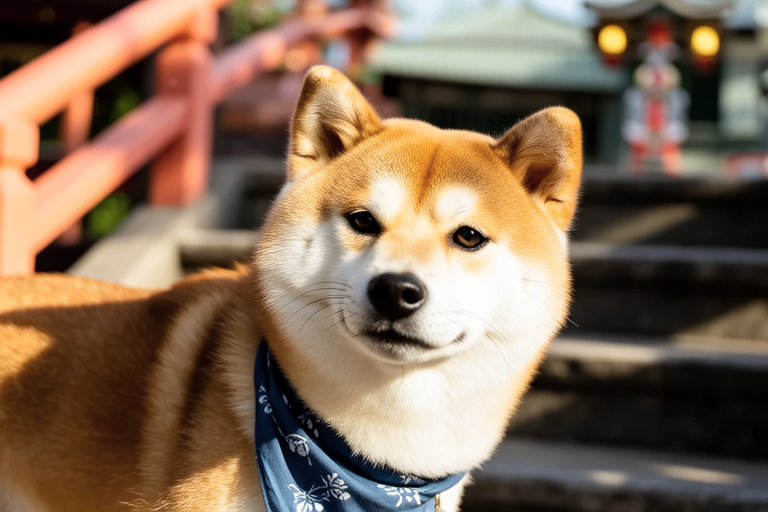
From Japan to Your Home: The Journey of the Iconic Shiba Inu
The Shiba Inu, a small yet robust dog breed, has captured hearts around the world with its unique charm and loyalty. Originating from Japan, this ancient breed has played a significant role in Japanese culture and history. Let’s embark on a journey to understand the origins, characteristics, and global popularity of the Shiba Inu.
Ancient Origins and Cultural Significance
The Shiba Inu is one of the oldest breeds of dogs native to Japan, dating back over 3,000 years. Historically, they were used as hunting dogs, particularly adept at flushing out birds and small game. Their name, ‘Shiba,’ means ‘brushwood’ in Japanese, likely referring to the dense forests where they hunted. The term ‘Inu’ simply means ‘dog.’ These dogs have been integral to Japanese society, symbolizing loyalty, bravery, and agility. They are often featured in traditional art and literature, embodying the spirit of resilience and adaptability.
Physical Characteristics and Temperament
Shiba Inus are known for their fox-like appearance, characterized by a small, compact build, a thick double coat, and a curled tail. Their coats can be red, sesame (red with black-tipped hairs), black and tan, or cream. Their eyes are typically almond-shaped and dark brown, giving them an expressive and alert look. These dogs are highly intelligent, independent, and can be quite stubborn. They are loyal to their families but may be reserved with strangers. Their high energy levels require regular exercise and mental stimulation.
Growing Global Popularity
Despite their small size, Shibas have gained international recognition for their unique blend of intelligence and independence. Their rise in popularity can be attributed to their striking appearance, coupled with their strong personality. They have become a favorite among dog enthusiasts worldwide, thanks to social media platforms that showcase their playful antics and distinctive looks. Their growing presence in movies, commercials, and viral internet videos has further fueled their global appeal.
Near Extinction and Revival
The Shiba Inu faced a significant threat during World War II when many of these dogs perished due to bombing raids and canine distemper outbreaks. By the end of the war, only three bloodlines remained: the Mino, the San’in, and the Shinshu. Breeders worked tirelessly to revive the breed, crossbreeding the remaining Shibas and carefully selecting traits that defined the original breed. Today, the Shiba Inu is thriving, with registries and clubs dedicated to preserving its heritage and ensuring its health.
Breeding and Export Process
Selecting a healthy Shiba Inu for export involves several rigorous steps. Breeding programs prioritize genetic diversity and health, conducting extensive health checks and screenings for common canine ailments such as hip dysplasia and eye disorders. Once puppies are born, they undergo various vaccinations and treatments to ensure they are free from parasites. Before export, Shibas must pass quarantine procedures, including isolation and health examinations to prevent the spread of diseases. Only after these processes are completed are Shibas cleared for travel and adoption.
Tips for Potential Owners
Training: Shibas are intelligent but can be challenging to train due to their independent nature. Early socialization and consistent, positive reinforcement methods are essential. Training sessions should be short and engaging, incorporating treats and praise to keep the dog motivated.
Care: Shibas have a thick double coat that requires regular grooming to prevent matting and shedding. Brushing their fur weekly helps maintain their coat’s health and reduces the amount of hair shed inside your home. Additionally, Shibas need a balanced diet rich in protein and essential nutrients to support their active lifestyle.
Integration: Integrating a Shiba Inu into a new home requires patience and understanding. Shibas can be wary of strangers and may take time to adjust to new environments. Creating a safe and comfortable space for your Shiba will help ease their transition. Regular walks and playtime will also assist in bonding and building trust.
The Future of the Shiba Inu
The Shiba Inu’s enduring appeal lies in its unique blend of independence, loyalty, and charm. As more people discover the joys of owning a Shiba Inu, breeders and enthusiasts continue to work together to preserve the breed’s health and heritage. The future looks bright for the Shiba Inu, with increasing interest from both experienced dog owners and newcomers alike. Their adaptability and resilience make them a perfect fit for various living situations, ensuring their place in homes and hearts around the world.
In conclusion, the Shiba Inu’s journey from Japan to your home is a testament to its enduring appeal and cultural significance. From its humble origins as a hunting companion to its current status as a beloved family pet, the Shiba Inu continues to captivate and inspire. With proper care, training, and love, a Shiba Inu can bring joy and companionship to any household.
