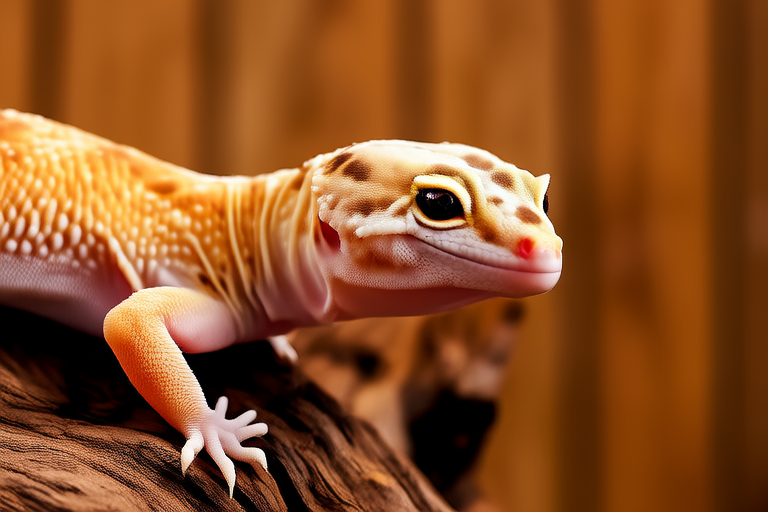
Chameleon Care Tips: Secrets to Keeping Your Reptile Happy and Healthy
Welcome to the fascinating world of chameleons! These incredible creatures are known for their ability to change color and blend into their surroundings. However, they also have specific care requirements that, when met, ensure they remain happy and healthy. This guide will walk you through everything you need to know about chameleon care, from setting up the perfect habitat to understanding their dietary needs and common health issues.
Understanding Chameleons
Before we dive into the nitty-gritty of chameleon care, it’s important to understand what makes these reptiles so special. Chameleons are arboreal animals, meaning they spend most of their time in trees. They are solitary by nature and prefer to be left alone. Their vibrant colors and unique behaviors make them captivating pets, but they require a bit more attention than your average pet.
Habitat Setup
The first step in keeping your chameleon happy and healthy is creating the right environment. Chameleons thrive in environments that mimic their natural habitats. Here’s how you can set up the ideal enclosure:
- Size Matters: The bigger, the better. A minimum of 24 inches in length, 18 inches in width, and 36 inches in height is recommended for a single adult chameleon. Larger enclosures allow for more climbing space and better air circulation.
- Branches and Plants: Provide plenty of sturdy branches and live or artificial plants. These serve as perches and hiding spots. Live plants like Ficus benjamina (Weeping Fig) and Schefflera arboricola (Australian Ivy Palm) are excellent choices.
- Background: Use a non-porous background that allows for good humidity levels without retaining water, such as cork bark or a reptile carpet.
- Substrate: Avoid substrates like sand or gravel which can cause impaction if ingested. Instead, opt for newspaper, paper towels, or reptile carpet.
Temperature and Lighting Requirements
Proper temperature and lighting are crucial for your chameleon’s health. Here’s what you need to know:
- Basking Spot: Provide a basking spot with temperatures ranging between 90°F and 95°F (32°C – 35°C). Use a high-wattage bulb or ceramic heat emitter placed at one end of the enclosure.
- Background Temperature: Maintain a background temperature of around 75°F to 80°F (24°C – 27°C) during the day and slightly cooler at night.
- UVB Lighting: Install a full-spectrum UVB light to simulate natural sunlight. This is vital for calcium absorption and preventing metabolic bone disease. Replace the bulbs every six months.
- Nighttime: During the night, lower the temperature to between 65°F and 70°F (18°C – 21°C) and remove any heat sources to provide a cool-down period.
Diet Specifics
Feeding your chameleon the right food is key to its health. Here’s a breakdown of their dietary needs:
- Insects: Offer a variety of insects including crickets, dubia roaches, and silkworms. Dust the insects with a calcium supplement before feeding.
- Variety: Feed different types of insects to ensure a balanced diet. Introduce gut-loaded insects, which are insects fed a nutritious diet before being offered to your chameleon.
- Frequency: Feed juveniles daily and adults every other day. Always remove uneaten insects after 15 minutes to prevent overfeeding.
- Fruits and Vegetables: While chameleons don’t eat fruits and vegetables, some owners offer small amounts of leafy greens like collard greens and mustard greens as enrichment.
Hydration Methods
Chameleons obtain moisture from the dew on leaves and rain in their natural habitat. Here’s how to keep your chameleon hydrated:
- Misting: Mist the enclosure twice a day, ensuring the leaves are thoroughly wet. This mimics morning dew and encourages drinking.
- Drip System: Install a drip system that provides a slow, steady flow of water onto the leaves. This simulates rain and keeps the enclosure moist.
- Water Bowl: While chameleons rarely drink from standing water, some owners place a shallow dish filled with clean water in the enclosure.
- Humidity: Maintain a humidity level between 40% and 70%. Too much humidity can lead to respiratory issues, while too little can cause dehydration.
Common Health Issues
Despite proper care, chameleons can still face health challenges. Recognizing these early can prevent serious issues:
- Metabolic Bone Disease (MBD): Caused by insufficient calcium and vitamin D3. Symptoms include lethargy, swollen limbs, and difficulty climbing. Ensure adequate UVB exposure and calcium supplementation.
- Respiratory Infections: Characterized by wheezing, nasal discharge, and labored breathing. Poor ventilation and high humidity can contribute. Address this with a vet immediately.
- Parasites: Internal parasites can cause weight loss, diarrhea, and lethargy. Regular check-ups and fecal exams can help detect and treat parasites early.
- Stress: Chameleons are sensitive to stress. Signs include color changes, refusal to eat, and hiding. Ensure a calm environment and avoid handling excessively.
Tips for Handling Chameleons
Handling chameleons requires patience and care. Here are some tips:
- Minimize Handling: Chameleons are not social animals and do not enjoy being handled. Limit handling to necessary tasks like moving to a new enclosure or medical check-ups.
- Support: When handling, always support the chameleon’s body. Do not let them dangle by their legs or tail.
- Gentle Approach: Move slowly and gently. Sudden movements can startle your chameleon and cause stress.
- Clean Hands: Wash your hands before and after handling to prevent the spread of bacteria.
Conclusion
By following these chameleon care tips, you can ensure your pet remains happy and healthy. Remember, chameleons are unique and require specific care to thrive. With the right habitat, diet, and attention, you can enjoy watching your chameleon grow and flourish. Take pride in providing the best possible life for your scaly friend. Happy chameleon keeping!
