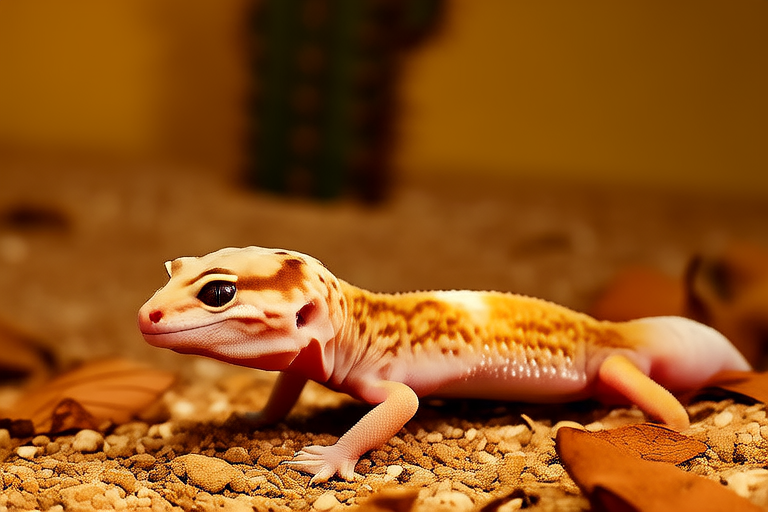
Chameleon Care 101: Expert Tips for First-Time Reptile Owners
Welcome to Chameleon Care 101! This guide is designed to help first-time reptile owners provide the best care for their chameleons. Chameleons are fascinating creatures with unique needs, so it’s important to understand how to set up a proper habitat, feed them appropriately, monitor their health, and enrich their lives. Let’s dive into the essentials.
Habitat Setup
The first step in caring for your chameleon is setting up its habitat correctly. Chameleons require vertical space, as they are arboreal animals that spend most of their time climbing. A minimum enclosure size for a single adult chameleon is 3 feet wide by 4 feet deep by 6 feet high. Larger enclosures are always better, especially for multiple chameleons.
- Lighting: Provide UVB lighting to help your chameleon synthesize vitamin D3. Choose a bulb that emits 10% UVB intensity. Replace the bulb every six months, even if it still works, because the UVB output diminishes over time.
- Heating: Maintain a temperature gradient within the enclosure. The basking spot should be around 85-95°F (29-35°C), while the cooler side can be 75-80°F (24-27°C). Use ceramic heat emitters or basking bulbs to achieve this.
- Humidity: Aim for humidity levels between 40-70%. Mist the enclosure twice daily, and consider adding a humidifier or a fogger if necessary.
- Substrate: Do not use substrate; instead, use a layer of artificial plants or branches for climbing. Substrates can cause impaction if ingested.
- Decor: Add live or artificial plants, vines, and branches to create a naturalistic environment. Ensure there are plenty of perches at different heights.
Diet
Chameleons are insectivores, meaning their diet consists primarily of insects. It’s crucial to offer a variety of prey items to ensure a balanced diet.
- Insects: Feed your chameleon crickets, dubia roaches, silkworms, and hornworms. Dust these insects with a calcium supplement without vitamin D3 once or twice a week, and a multivitamin supplement once a week.
- Feeding Frequency: Juvenile chameleons should be fed daily, while adults can be fed every other day. Always remove uneaten insects from the enclosure after feeding to prevent stress or injury to the chameleon.
- Water: Provide a shallow water dish for drinking. Additionally, mist the enclosure regularly to encourage your chameleon to drink from the droplets.
Health Monitoring
Regular health checks are vital to ensure your chameleon remains healthy. Here are some key signs to watch for:
- Eyes: Healthy eyes are clear and responsive. If you notice swelling, discharge, or cloudiness, consult a veterinarian immediately.
- Skin: Look for any signs of discoloration, lesions, or abnormal shedding. Chameleons shed in patches, so slight changes in color are normal during this process.
- Breathing: Listen for any wheezing or labored breathing. These could indicate respiratory issues, which need immediate attention.
- Activity Level: A healthy chameleon is active and alert. Sudden lethargy or lack of appetite may signal illness.
It’s also wise to schedule regular check-ups with an experienced reptile veterinarian.
Common Mistakes to Avoid
Even experienced reptile owners can make mistakes when caring for chameleons. Here are some common pitfalls to avoid:
- Overcrowding: Do not house more than one chameleon per enclosure unless breeding, as they are solitary animals and may become stressed or aggressive.
- Poor Lighting: Inadequate UVB lighting can lead to metabolic bone disease, characterized by weak bones and deformities.
- Improper Humidity: Both too low and too high humidity levels can cause respiratory infections or dehydration.
- Incorrect Feeding: Feeding inappropriate or insufficient prey can lead to malnutrition. Ensure you vary the diet and dust insects properly.
- Lack of Enrichment: Boredom can lead to stress and health problems. Provide opportunities for mental stimulation and physical activity.
Enrichment Activities
Providing enrichment activities is essential for your chameleon’s well-being. Here are some ideas to keep your pet engaged:
- Foraging: Hide food in various locations within the enclosure to encourage natural foraging behavior.
- Environmental Changes: Rotate the placement of branches, plants, and decorations periodically to keep the environment stimulating.
- Interactive Toys: Introduce safe, non-toxic toys that allow your chameleon to climb, hide, and explore.
- Handling: Gently handle your chameleon, but only when it is calm and comfortable. Frequent, gentle handling can help build trust.
Remember, each chameleon is unique, so observe your pet’s preferences and adjust enrichment activities accordingly.
Conclusion
Caring for a chameleon requires dedication and attention to detail, but it’s incredibly rewarding. By setting up a suitable habitat, providing a balanced diet, monitoring health closely, avoiding common mistakes, and offering enrichment activities, you can ensure your chameleon leads a happy and healthy life. Always be prepared to learn and adapt as you gain more experience with your pet. Happy chameleon keeping!
