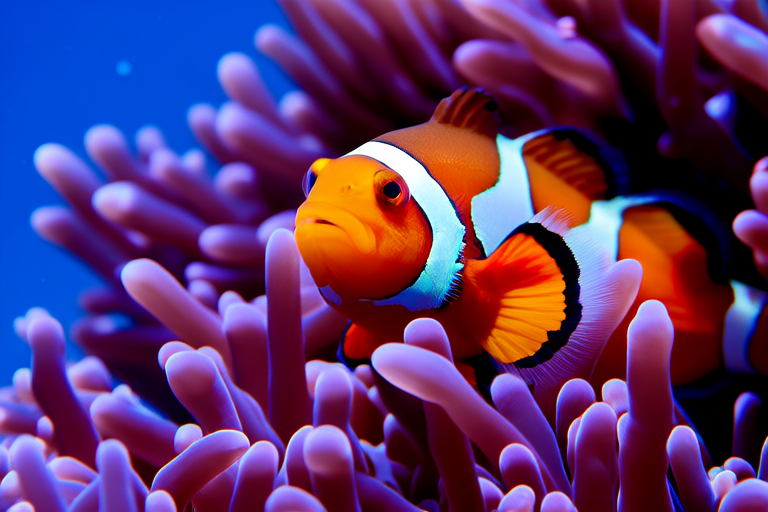
Top 10 Fun Facts About the Vibrant and Bold Clownfish
Clownfish, popularized by the movie “Finding Nemo,” are among the most recognizable and beloved fish in the ocean. These small, brightly colored fish have captured the hearts of people around the world with their striking appearance and fascinating behavior. Here are ten fun and interesting facts about these vibrant and bold creatures.
1. Vibrant Colors
Clownfish come in a variety of bright and striking colors, including orange, yellow, and black. Their vivid hues serve as a warning to potential predators, signaling that they are toxic. This natural defense mechanism helps them survive in the wild.
2. Bold Nature
Despite their small size, clownfish exhibit a bold and fearless nature. They are known for their ability to swim near larger, more dangerous fish without fear, which is quite remarkable considering their vulnerability. This boldness is partly attributed to their symbiotic relationship with sea anemones.
3. Symbiotic Relationship with Sea Anemones
Clownfish live in a unique partnership with sea anemones. The fish protect the anemone from herbivorous fish that might eat it, while the anemone provides shelter and protection from predators. The clownfish’s mucus coating allows them to avoid being stung by the anemone’s venomous tentacles.
4. Habitat
Clownfish are primarily found in coral reefs in the warm waters of the Pacific and Indian Oceans. They prefer shallow waters, typically staying close to their host anemone. This habitat provides them with both food and safety.
5. Dietary Habits
Clownfish are omnivores, feeding on algae, plankton, and smaller invertebrates. They also consume the leftovers from their host anemone, making the most of their symbiotic relationship. This diverse diet helps them thrive in their marine environment.
6. Breeding Behaviors
Clownfish are monogamous and mate for life. They display complex courtship rituals, including chasing, biting, and changing color. The female lays her eggs on a flat surface near the anemone, and the male fertilizes them. Both parents guard the eggs until they hatch.
7. Conservation Status
While clownfish populations are currently stable, they face threats from climate change, pollution, and overfishing. Coral reefs, their primary habitat, are particularly vulnerable to rising sea temperatures and ocean acidification, which can impact clownfish survival.
8. Adaptability
Clownfish are highly adaptable and can adjust to various environmental conditions. They have been observed thriving in aquariums, which has made them popular pets. However, it is important to ensure that these fish are sustainably sourced to prevent harm to wild populations.
9. Unique Behaviors
Clownfish are known for their playful and curious behaviors. They often swim in tight groups and perform acrobatic maneuvers around their anemone homes. These behaviors make them a delight to watch, whether in the wild or in captivity.
10. Scientific Research
Clownfish have been the subject of extensive scientific research due to their unique adaptations and behaviors. Studies have explored their symbiotic relationships, reproductive strategies, and responses to environmental changes. This research not only deepens our understanding of clownfish but also contributes to broader marine conservation efforts.
