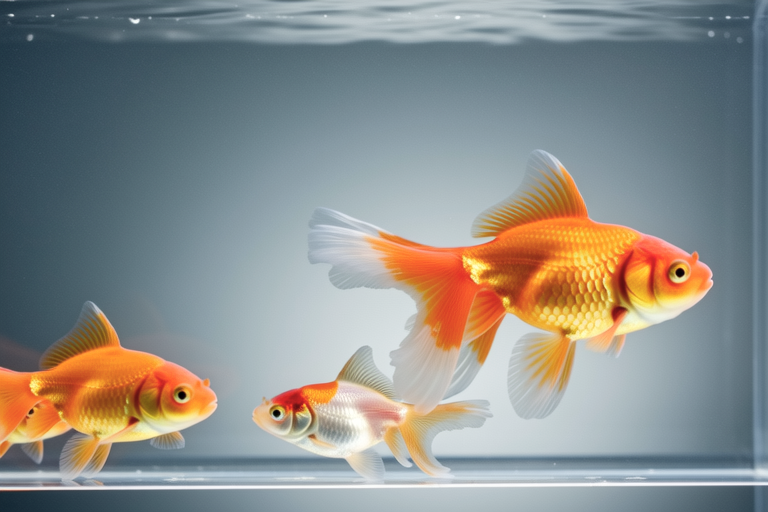
From Tiny Fry to Majestic Swimmer: A Journey Through Goldfish Growth Stages
Introduction
Goldfish have captivated the hearts of pet enthusiasts for centuries. Their vibrant colors, playful personalities, and relatively low maintenance make them a popular choice among aquarium hobbyists. Whether you’re a seasoned aquarist or a novice fish keeper, there’s something magical about observing a tiny fry develop into a majestic swimmer. This article will guide you through the fascinating journey of a goldfish’s life cycle, from its early days as an egg to its mature adulthood. Along the way, we’ll explore the physical changes, dietary needs, and care requirements at each stage, offering valuable tips to ensure your goldfish grows and thrives.
The Lifecycle of a Goldfish
A goldfish’s lifecycle can be divided into several distinct stages: egg, fry, juvenile, and adult. Each stage presents unique challenges and opportunities for growth and development. Understanding these phases will help you provide optimal care for your aquatic companions.
Egg Stage: The Beginning of Life
The journey begins when a female goldfish releases her eggs during spawning. These tiny, translucent orbs are fertilized by male goldfish, who release milt, a fluid containing sperm. Once fertilization occurs, the eggs adhere to plants or other surfaces within the tank. Under ideal conditions, the eggs will hatch within 48 to 72 hours.
During this stage, it’s crucial to maintain clean water with a pH level between 6.5 and 7.5. Ensure the temperature remains stable at around 72°F (22°C). Avoid overcrowding the tank, as this can lead to poor water quality and increased stress on the developing eggs.
Personal Tip: If you’re new to breeding goldfish, consider setting up a separate breeding tank to prevent predation and ensure the best possible conditions for the eggs.
Fry Stage: From Egg to Baby Fish
After hatching, the tiny fry emerge from their eggs as sac fry. They possess a yolk sac attached to their bellies, which provides them with nutrients for the first few days of life. During this period, they remain near the bottom of the tank, gradually absorbing the yolk sac as they grow.
Once the yolk sac is fully absorbed, the fry begin to swim freely. At this point, they need small, nutritious food to support their rapid growth. Infusoria, a microscopic organism, serves as an excellent starter diet. As the fry grow, introduce baby brine shrimp and finely ground flake food to their diet.
Water quality becomes increasingly important during the fry stage. Perform regular partial water changes, using a gentle siphon to avoid disturbing the delicate fry. Maintain a stable temperature between 72°F and 78°F (22°C to 25.5°C) to encourage healthy development.
Personal Tip: Keep the tank well-lit but avoid direct sunlight, which can cause excessive algae growth and increase water temperature fluctuations.
Juvenile Stage: Growing Stronger and Faster
As the fry transition into juveniles, they become more active and adventurous swimmers. Their bodies elongate, and their fins begin to take shape. Juvenile goldfish typically reach lengths of 1 to 2 inches (2.5 to 5 cm) within the first three months.
Dietary needs shift during this stage. Juveniles require a balanced diet rich in protein to support muscle development. Offer high-quality flake foods, pellets, and occasional treats like live or frozen bloodworms and daphnia. Feed them two to three times daily, ensuring they consume all food within five minutes to prevent overfeeding.
Maintaining a healthy environment is vital for juvenile goldfish. Regular water changes—about 20% weekly—help control ammonia and nitrite levels. Ensure the tank has adequate filtration to handle the increasing bioload. Consider adding hiding spots like caves or dense plantings to provide shelter and reduce stress.
Personal Tip: Introduce floating plants like hornwort or water lettuce to create a natural, enriching habitat that mimics the fry’s native environment.
Adult Stage: Majestic Swimmers
When goldfish reach adulthood, typically between one and two years of age, they achieve their full size and coloration. Depending on the breed, adult goldfish can range from 6 to 12 inches (15 to 30 cm) in length. Their fins become fully developed, and their vibrant hues stand out against the tank decor.
Adult goldfish benefit from a varied diet that includes high-protein foods like pellets, flakes, and vegetables. Incorporate leafy greens such as spinach, peas, and zucchini to promote digestive health. Rotate their diet weekly to ensure a balanced intake of nutrients.
At this stage, the tank should accommodate the goldfish’s larger size and higher oxygen demand. Aim for at least 20 gallons per fish, providing ample swimming space and reducing stress. Install a robust filter system capable of handling the increased bioload. Regular water changes—20% every week—are essential to maintain water quality.
Personal Tip: Consider adding a powerhead or air stone to enhance water circulation and oxygenation, especially if the tank is densely stocked.
Conclusion: A Rewarding Experience
Watching a goldfish grow from a tiny fry to a majestic swimmer is a rewarding experience for any aquarist. By understanding and meeting the specific needs of each growth stage, you can ensure your goldfish thrives in a healthy, nurturing environment. Whether you’re a beginner or an experienced fish keeper, the joy of raising these captivating creatures is unparalleled.
Remember, patience and attention to detail are key. With proper care and a little love, your goldfish will reward you with years of beauty and companionship. So dive into the world of goldfish keeping, and enjoy the journey from tiny fry to majestic swimmer.
