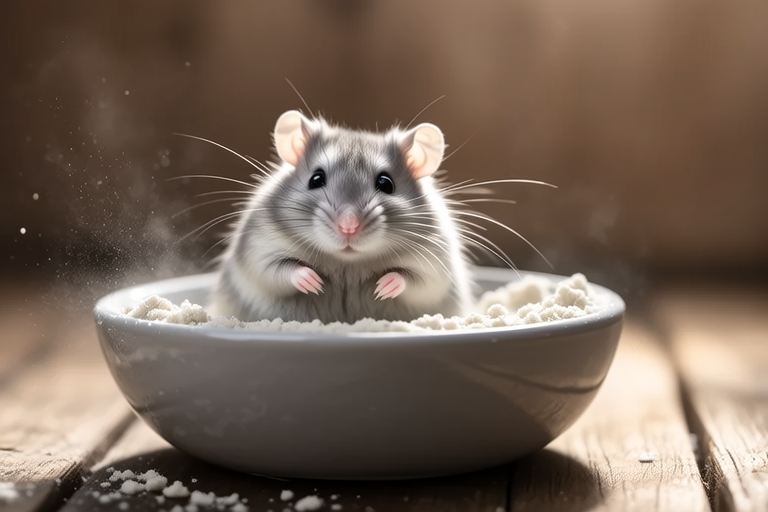
Unraveling the Mystery Behind Chinchilla Dust Bathing Habits
Chinchillas, native to the Andes Mountains in South America, are known for their luxurious fur, which consists of up to 60 hairs per follicle. This dense coat requires meticulous care to maintain its quality and prevent health issues. One of the most distinctive and intriguing behaviors of chinchillas is their dust bathing habit, which plays a crucial role in their overall health and well-being. Understanding this unique grooming practice is essential for any chinchilla owner who wishes to provide optimal care for their pet.
The Origins of Dust Bathing
In the wild, chinchillas inhabit rocky, arid environments where volcanic ash and fine dust are abundant. They have adapted to use this natural resource as a means of cleaning and conditioning their thick coats. The fine particles of dust work to absorb excess oils and dirt from the fur, helping to keep it soft, fluffy, and free from parasites. By rolling around in the dust, chinchillas can effectively remove debris and dead skin cells, ensuring that their coat remains healthy and vibrant.
The Importance of Dust Bathing for Health and Coat Maintenance
Dust bathing serves multiple purposes for chinchillas. Firstly, it helps in the removal of oil buildup on the fur, which, if left unchecked, can lead to skin problems and hair loss. Secondly, it aids in the prevention of external parasites such as fleas and mites. Regular dust baths also stimulate blood circulation, contributing to the overall health of the animal’s skin and fur. Additionally, the process of dust bathing can be seen as a form of stress relief, allowing chinchillas to engage in a natural behavior that promotes mental well-being.
Types of Dust Suitable for Chinchillas
Choosing the right type of dust is crucial for ensuring that your chinchilla’s grooming needs are met safely and effectively. Commercially available chinchilla dust is specially formulated to mimic the fine volcanic ash found in their natural habitat. These products typically consist of calcium carbonate or pumice powder, which are gentle on the delicate skin and fur of chinchillas. It is important to avoid using regular household dust or sand, as these can be too coarse and potentially harmful.
Providing a Clean, Safe Environment for Dust Bathing
Creating a suitable space for dust bathing is essential for the health and happiness of your chinchilla. A shallow, open container made of plastic or ceramic works best, as it allows easy access and prevents spillage. The container should be large enough for the chinchilla to roll comfortably but not so deep that they could become trapped. Ensure that the dust bath area is placed away from food and water bowls to avoid contamination. After each use, remove any leftover dust and wash the container thoroughly to prevent the buildup of bacteria.
Tips for Owners: Frequency and Duration
How often you should offer dust baths depends on the individual needs of your chinchilla. Generally, offering dust baths two to three times a week is sufficient. Each session should last about 15 to 30 minutes, during which time the chinchilla will roll and toss itself in the dust. Observing your chinchilla’s behavior during and after dust bathing can provide valuable insights into their grooming habits. Signs of proper grooming include a shiny, clean coat and a relaxed demeanor following the activity.
Signs of Proper Grooming Habits
Monitoring your chinchilla’s grooming habits can help you identify any potential issues early on. A well-groomed chinchilla will have a smooth, lustrous coat without any noticeable mats or bald patches. Their eyes should be clear, and their nose and mouth should be free from discharge. If you notice excessive grooming, such as over-biting or scratching, it may indicate underlying health issues like skin irritation or allergies. In such cases, consulting a veterinarian is advisable.
The Significance of Understanding Dust Bathing Behaviors
Understanding the importance of dust bathing for chinchillas is vital for ensuring their well-being. By providing the necessary resources and creating a safe environment, you can help your pet maintain a healthy coat and reduce the risk of skin-related ailments. Recognizing the frequency and duration of dust bathing sessions also allows you to intervene promptly if any changes in behavior occur. Ultimately, fostering an awareness of these natural behaviors contributes to a deeper bond between you and your chinchilla, enhancing their quality of life and yours.
