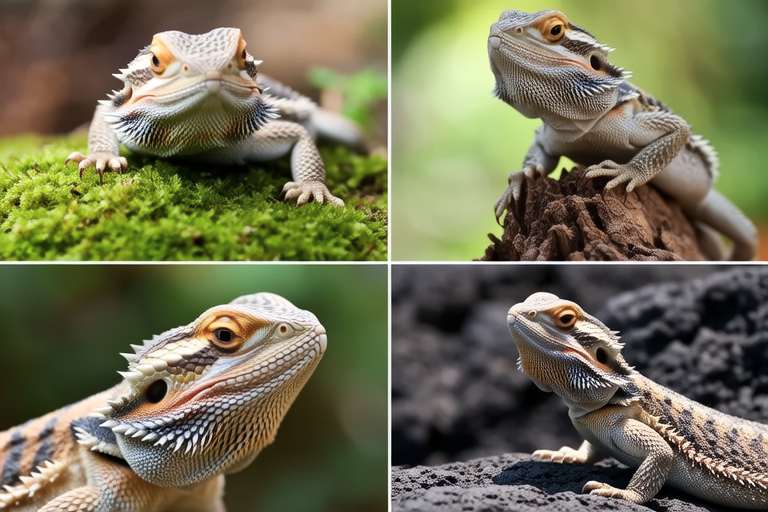
From Hatchling to Adult: A Year-by-Year Journey of Your Bearded Dragon
Welcome to a comprehensive guide that takes you through the fascinating journey of your bearded dragon’s life from birth to adulthood. This article will provide detailed descriptions of bearded dragon development, year by year, covering growth rates, dietary needs, habitat adjustments, behavioral changes, and care tips for each stage. Whether you’re a new or experienced reptile owner, this guide will ensure you understand the unique characteristics and milestones of bearded dragons at each age.
Year 1: The First Year – From Hatchling to Juvenile
The first year of a bearded dragon’s life is a period of rapid growth and development. When your bearded dragon hatches, it is about 4 inches long and weighs around 1-2 grams. During this time, they need a warm and humid environment with temperatures ranging between 95°F and 110°F (35°C to 43°C). It’s crucial to provide UVB lighting for proper calcium absorption and bone development.
Growth Rate: In their first year, bearded dragons can grow up to 6 inches in length. By the end of their first year, they will have reached about half of their adult size.
Dietary Needs: Young bearded dragons are primarily insectivores. They should be fed small insects like crickets, dubia roaches, and mealworms daily. Dusting these insects with calcium powder helps ensure proper growth. As they grow, you can introduce leafy greens and other vegetables to their diet, but they should still be getting the majority of their nutrients from insects.
Habitat Adjustments: Ensure your hatchling has enough space to move around comfortably. A 20-gallon tank is suitable for a young bearded dragon. Provide hiding spots, branches for climbing, and a shallow water dish for soaking. Regularly clean the enclosure to prevent bacterial growth.
Behavioral Changes: Bearded dragons become more active as they grow. They start exploring their surroundings, basking, and interacting with their environment. They may also show signs of territorial behavior, puffing out their beard when threatened.
Care Tips: Handle your bearded dragon gently to avoid stress. Gradually increase handling time as they become more comfortable. Monitor their weight and overall health regularly. Consult a veterinarian if you notice any abnormalities.
Year 2: Becoming an Adolescent
In their second year, bearded dragons continue to grow but at a slower rate compared to their first year. By now, they are around 12-18 inches long and weigh approximately 200-400 grams. Their metabolism slows down, and they become less active. At this stage, they require a larger tank, preferably 40 gallons or more, to accommodate their growing size.
Growth Rate: Growth continues but at a slower pace. Expect your bearded dragon to gain about 2-4 inches in length and 100-200 grams in weight during this year.
Dietary Needs: Adolescents can transition to a more balanced diet, consisting of 70% vegetables and 30% insects. Offer a variety of vegetables such as collard greens, mustard greens, and squash. Continue dusting insects with calcium and multivitamin supplements.
Habitat Adjustments: Increase the size of the enclosure to at least 40 gallons. Add more branches, rocks, and hides to mimic their natural environment. Ensure the temperature gradient remains consistent, with a basking spot reaching 100-110°F (38-43°C).
Behavioral Changes: Adolescents become more social and may show interest in interaction with their owners. They might also display more aggressive behaviors, especially during shedding. Provide them with a quiet and stress-free environment to prevent unnecessary stress.
Care Tips: Regularly check for signs of shedding, particularly around the toes and tail. Encourage healthy shedding by providing a humid hide. Maintain a consistent feeding schedule and monitor their hydration levels.
Year 3: Approaching Adulthood
The third year marks the transition into adulthood for bearded dragons. By this point, they have reached their full size, typically between 18-24 inches in length and 300-600 grams in weight. Their behavior becomes more predictable, and they settle into a routine. They require a spacious enclosure, ideally 55 gallons or larger, to allow ample room for movement and basking.
Growth Rate: Growth stabilizes, and most bearded dragons reach their maximum size during this year. Weight gain may slow down, and they may even lose some weight if they become less active.
Dietary Needs: Adult bearded dragons need a diet of 80% vegetables and 20% insects. Offer a variety of vegetables including carrots, bell peppers, and zucchini. Continue supplementing with calcium and multivitamins, but reduce the frequency to once or twice a week.
Habitat Adjustments: Upgrade to a larger tank if necessary. Provide a deep substrate layer for burrowing and a variety of climbing structures. Ensure the basking area reaches 100-110°F (38-43°C) and the cooler side stays around 80-85°F (27-29°C).
Behavioral Changes: Adults become more relaxed and less prone to stress. They may spend more time basking and less time exploring. They might also show increased interest in mating behaviors, especially males.
Care Tips: Keep a close eye on their health, paying attention to any changes in appetite, activity level, or appearance. Regular vet check-ups are recommended to ensure their well-being. Provide mental stimulation through enrichment activities such as foraging games.
Year 4 and Beyond: Mature Adults
Once bearded dragons reach four years of age, they are considered mature adults. They have reached their full potential in terms of size and behavior. At this stage, they require minimal adjustments to their environment and diet. However, it’s important to maintain a consistent routine to ensure their continued health and happiness.
Growth Rate: Growth stops, and bearded dragons maintain their adult size. They may experience slight fluctuations in weight due to changes in activity level or health.
Dietary Needs: Continue offering a diet of 80% vegetables and 20% insects. Ensure the vegetables are fresh and varied. Monitor their weight and adjust the quantity of food accordingly to prevent obesity.
Habitat Adjustments: No major changes are needed, but regular maintenance is essential. Clean the enclosure thoroughly and replace any worn-out accessories. Ensure the heating and lighting systems are functioning correctly.
Behavioral Changes: Mature adults exhibit stable behavior patterns. They may become more selective in their interactions, preferring quieter times of day for socialization. They might also show signs of aging, such as reduced mobility or changes in skin texture.
Care Tips: Provide regular vet check-ups to monitor their overall health. Keep their environment clean and stimulating. Consider adding enrichment activities to keep them mentally engaged. Be mindful of any signs of discomfort or illness and address them promptly.
Conclusion
From hatchling to adult, bearded dragons undergo significant physical and behavioral changes. Understanding these stages and providing appropriate care ensures your pet thrives throughout its life. By following the guidelines outlined in this article, you can create a nurturing environment that supports your bearded dragon’s growth and well-being. Enjoy the rewarding experience of watching your bearded dragon grow and develop into a healthy, happy adult.
