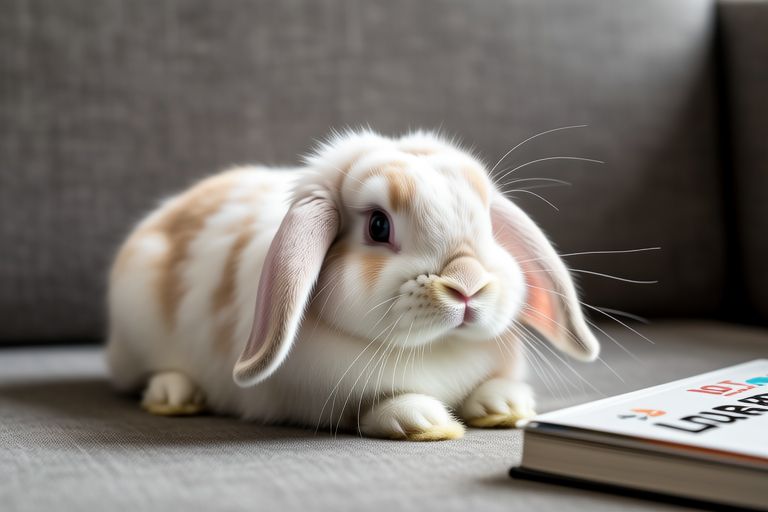
Lop Rabbits Unleashed: A Beginner’s Guide to Raising These Gentle Giants
Introduction
Welcome to the world of Lop rabbits! Known for their gentle nature and charming floppy ears, Lops have captured the hearts of many pet lovers around the globe. These gentle giants are not only adorable but also surprisingly intelligent and affectionate, making them excellent companions for families and individuals alike. With their calm demeanor, Lop rabbits are perfect for those who are new to rabbit ownership. This guide will walk you through everything you need to know about raising these delightful creatures, from housing and diet to grooming and training.
Housing Requirements
Creating a comfortable and safe living space for your Lop rabbit is crucial. The ideal cage should be large enough for your bunny to stretch out fully, stand up on its hind legs without hitting the top, and turn around freely. For a single adult Lop, a cage measuring at least 4 feet by 2 feet by 2 feet high is recommended. If you plan to house multiple bunnies together, increase the size accordingly.
Ensure the cage has a solid bottom to prevent injury from wire flooring, and provide soft bedding like hay or straw. Place the cage in a quiet area away from drafts, direct sunlight, and excessive noise. Additionally, include hideouts such as cardboard boxes or tunnels to give your rabbit a sense of security. Regular cleaning of the cage is essential; aim for weekly deep cleans and daily spot checks to maintain hygiene.
Dietary Needs
A balanced diet is vital for your Lop rabbit’s health and longevity. The cornerstone of their diet should be unlimited access to fresh timothy hay, which aids digestion and keeps teeth healthy. Pellets formulated specifically for rabbits should be provided in moderation (about 1/4 cup per 5 pounds of body weight daily), ensuring they are free from artificial colors and flavors.
Fresh vegetables can be offered in small quantities each day, including leafy greens like romaine lettuce, parsley, and spinach. Avoid feeding too much cabbage or broccoli, as these can cause gas. Water should always be available, either through a sipper bottle or a heavy bowl that prevents tipping.
Grooming Tips
Lop rabbits require regular grooming to keep their coats healthy and free from mats. Brush them gently every week using a slicker brush or comb designed for rabbits. During shedding seasons, which typically occur twice a year, increase brushing frequency to twice a week. Bathing is generally unnecessary unless absolutely needed, as it can stress your rabbit and strip natural oils from its skin.
Inspect your rabbit’s nails regularly and trim them when necessary. Use nail clippers made for small animals and be cautious not to cut the quick, which contains blood vessels. If unsure, consult a veterinarian for guidance. Teeth trimming may also be required if they overgrow, so monitor their length and visit a vet if issues arise.
Health Concerns
Like all pets, Lop rabbits can face certain health challenges. Common issues include dental problems, respiratory infections, and gastrointestinal stasis. Regular visits to a veterinarian specializing in exotic animals can help catch potential problems early. Signs of illness might include lethargy, loss of appetite, runny nose, or changes in litter box habits.
To promote good health, ensure your rabbit gets plenty of exercise, maintains a clean environment, and enjoys a varied diet. Vaccinations against common diseases are usually not necessary for indoor rabbits, but discuss this with your vet based on local conditions.
Exercise Recommendations
Providing ample opportunities for physical activity is key to keeping your Lop rabbit happy and healthy. In addition to having a spacious cage, allow supervised playtime outside the enclosure several times a week. A secure room or outdoor pen with supervision ensures safety while allowing exploration.
Interactive toys like tunnels, chew sticks, and balls encourage mental stimulation and physical exertion. Rotate toys periodically to prevent boredom and maintain interest. Exercise helps prevent obesity and strengthens muscles, contributing positively to overall well-being.
Bonding and Training
Bonding with your Lop rabbit takes time and patience. Start by spending quiet time near its cage, speaking softly and calmly. Gradually introduce gentle handling sessions, offering treats as positive reinforcement. Once your rabbit feels comfortable, begin training simple commands using clicker training methods.
Training can involve teaching your rabbit to come when called, sit, or even perform tricks. Consistency and positive reinforcement are critical. Reward desired behaviors with praise and small treats, gradually reducing reliance on food rewards as your rabbit learns.
Conclusion
Raising Lop rabbits can be a rewarding experience filled with joy and companionship. By providing proper care, attention, and love, you can ensure that your gentle giant thrives both physically and emotionally. Remember, every rabbit is unique, so adapt these guidelines according to your pet’s individual needs. Happy rabbit parenting!
