The Hidden Costs of Owning a Red-Eared Slider You Need to Be Aware Of
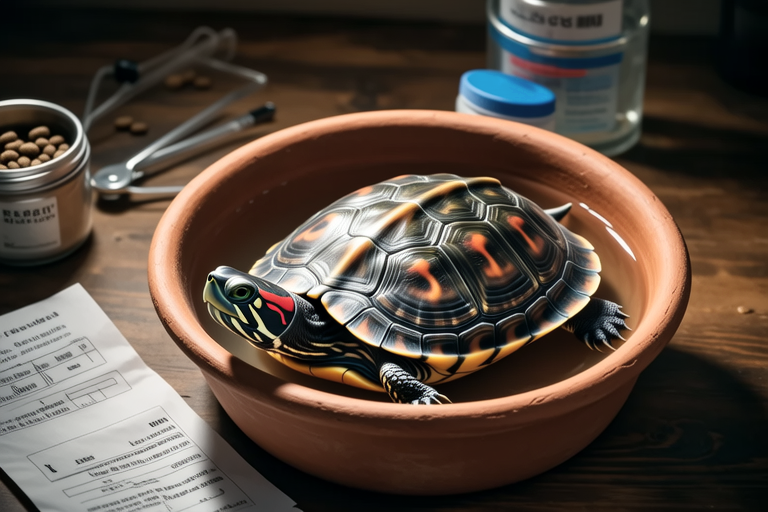
Red-eared sliders (Trachemys scripta elegans) are among the most popular pet turtles worldwide. Their striking appearance, coupled with their relatively docile nature, makes them an attractive choice for many reptile enthusiasts. However, beneath the surface of this seemingly simple pet lies a series of hidden costs that prospective owners must be aware of. From specialized aquatic habitats to dietary requirements and regular veterinary care, the financial commitment can be substantial. This article aims to shed light on these often-overlooked expenses, ensuring potential owners are fully informed before making the decision to bring a red-eared slider into their home.
Specialized Aquatic Habitats
One of the primary considerations when owning a red-eared slider is providing a suitable habitat. Unlike many other pets, red-eared sliders require a significant amount of space and specialized equipment. A proper setup includes a large aquarium or pond with ample room for swimming, basking, and hiding. The minimum size for a single adult slider is typically around 40 gallons, but larger tanks or outdoor ponds are preferable for more than one turtle or for ensuring a comfortable living environment.
In addition to the tank itself, you will need to invest in appropriate filtration systems to maintain water quality. These filters should be powerful enough to handle the volume of water and the waste produced by the turtle. Regular cleaning and maintenance of these systems are also necessary to prevent harmful bacteria from accumulating.
To ensure your slider’s health, it’s essential to provide a basking area where they can dry off and regulate their body temperature. This usually involves a floating platform or a land area with a heat lamp that provides UVB radiation. UVB lamps are crucial for calcium absorption and bone health, preventing metabolic bone disease. These lamps need to be replaced every six months or so, depending on usage and manufacturer recommendations.
Dietary Costs
Feeding a red-eared slider is another aspect of ownership that comes with its own set of expenses. While there are commercially available turtle foods that provide a balanced diet, it’s important to offer a variety of foods to ensure optimal nutrition. In addition to commercial pellets, sliders should be fed fresh fruits, vegetables, and occasional protein sources like insects or fish. This variety not only meets their nutritional needs but also mimics their natural diet.
Creating a balanced diet requires purchasing a range of fresh produce and protein sources, which can add up over time. It’s also advisable to supplement their diet with calcium and vitamin D3, especially if they’re kept indoors without access to natural sunlight. These supplements can be costly, particularly if you’re feeding multiple turtles.
Veterinary Care Expenses
Regular veterinary check-ups are a critical part of keeping your red-eared slider healthy. Just like any other pet, turtles can fall ill, and early detection and treatment are key to recovery. Veterinary care for turtles can be expensive, especially if you need to consult a specialist who has experience with reptiles. Common issues include respiratory infections, shell rot, and parasites. Preventative care, such as vaccinations and routine check-ups, can help avoid these problems, but they come at a cost.
Additionally, certain medical procedures, like X-rays or treatments for shell fractures, can be quite pricey. It’s wise to have a contingency fund set aside for unexpected veterinary emergencies. Many veterinarians recommend annual check-ups to monitor the overall health of your turtle, which includes blood tests and examinations for common ailments.
Maintaining Water Quality
Water quality is paramount for the health of your red-eared slider. Maintaining clean, clear water requires regular testing and adjustments to pH levels, ammonia, and nitrate levels. This necessitates the purchase of water test kits and chemical treatments to correct imbalances. Filters and pumps also require periodic replacements to ensure they continue functioning effectively.
Substrate replacement is another ongoing expense. Whether you choose gravel, sand, or artificial substrates, they will eventually become contaminated and need to be replaced. The frequency of replacement depends on the type of substrate and how well it retains cleanliness. Some substrates may need replacing every few months, while others might last longer with proper maintenance.
Tank Maintenance
Owning a red-eared slider means committing to regular tank maintenance. This includes weekly water changes, thorough cleaning of the tank, and checking all equipment for wear and tear. The frequency and extent of these tasks can vary based on the size of the tank and the number of turtles you have. Larger tanks or multiple turtles will naturally require more frequent maintenance.
Over time, the tank itself may need repairs or even replacement. Aquarium glass can develop cracks or leaks, and the structure of the tank can weaken due to constant exposure to water. Investing in high-quality materials initially can help reduce the likelihood of needing frequent repairs, but it’s still a significant expense to consider.
Long-Term Commitment and Financial Responsibility
Owning a red-eared slider is a long-term commitment that extends beyond just the initial purchase. These turtles can live for decades, meaning that the financial responsibility doesn’t end after the first year. Over the course of their lifetime, the cumulative costs of food, veterinary care, habitat maintenance, and other necessities can be considerable.
Before bringing a red-eared slider into your home, it’s essential to assess whether you’re prepared for this long-term commitment. Consider the space you have available, the time you can dedicate to their care, and your ability to manage the ongoing financial responsibilities. While the joy of watching these fascinating creatures grow and thrive is undeniable, it’s crucial to approach ownership with realistic expectations and a solid plan for meeting their needs.
In conclusion, while red-eared sliders are captivating pets, they come with a range of hidden costs that potential owners should be aware of. From specialized habitats and dietary requirements to regular veterinary care and ongoing maintenance, the financial commitment can be significant. By understanding these expenses upfront, you can make an informed decision and ensure that you’re prepared for the long-term responsibilities of owning a red-eared slider.
