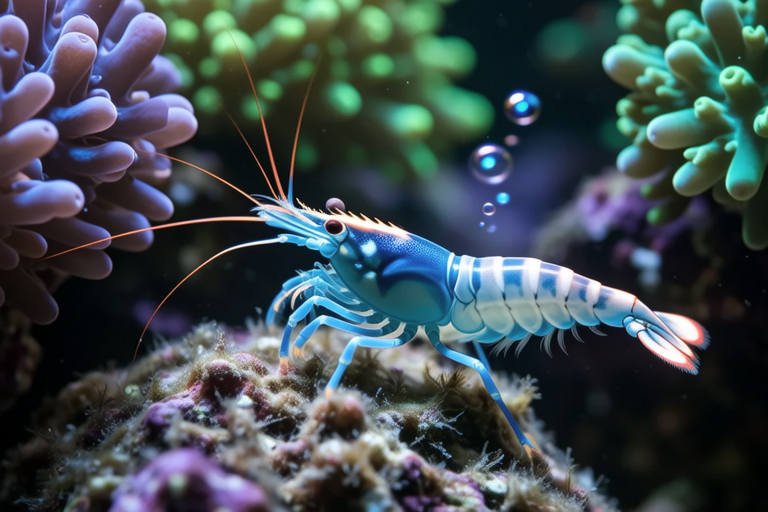
How to Create the Perfect Habitat for Your Colorful Coral Shrimp Companions
Welcome to the vibrant world of coral shrimp! These captivating creatures are not only visually stunning but also add an enchanting touch to any aquarium. Creating the perfect habitat for your colorful coral shrimp companions requires careful planning and attention to detail. This comprehensive guide will walk you through the essential elements needed to ensure your shrimp thrive in their new home.
Tank Size
The first step in setting up your shrimp’s habitat is choosing the right tank size. While coral shrimp can live in smaller tanks, a larger environment provides more space for exploration and growth. A tank with a minimum capacity of 10 gallons is recommended for a small group of shrimp. However, if you plan to keep multiple species or have other inhabitants, a 20-gallon tank or larger is ideal.
Water Parameters
Temperature
Maintaining a stable temperature is crucial for the well-being of your coral shrimp. They prefer water temperatures between 72°F and 82°F (22°C to 28°C). Use a reliable heater and thermometer to monitor and regulate the temperature consistently.
pH Level
The optimal pH range for coral shrimp is between 7.0 and 8.4. Regularly test the water using a high-quality pH kit to ensure it stays within this range. If necessary, adjust the pH using appropriate aquarium chemicals or by performing partial water changes.
Water Hardness
Coral shrimp thrive in slightly hard to moderately hard water, with a general hardness (GH) ranging from 6 to 12 dGH. Ensure that your tap water or source water matches these parameters before adding shrimp to the tank.
Filtration System
A robust filtration system is essential for maintaining clean and healthy water conditions. Choose a filter that provides mechanical, chemical, and biological filtration. This ensures the removal of debris, harmful chemicals, and the establishment of beneficial bacteria colonies. A sponge filter is particularly suitable as it prevents small shrimp from being sucked into the filtration system.
Lighting
Proper lighting enhances the colors of your coral shrimp and promotes the growth of algae and microorganisms they feed on. Opt for full-spectrum LED lights that provide a balanced spectrum of light. Aim for approximately 8 to 10 hours of light per day, simulating natural daylight cycles.
Substrate
Selecting the right substrate is vital for the comfort and health of your coral shrimp. A fine-grained sand substrate mimics their natural environment and allows them to burrow and forage. Avoid sharp or large gravel that may harm the shrimp.
Decor and Hiding Spots
Incorporate plenty of hiding spots and decor items such as caves, driftwood, and plants to create a stimulating and secure environment. These shelters provide refuge and reduce stress, encouraging natural behaviors. Ensure that all decorations are safe and free from harmful substances.
Maintaining Water Quality
To maintain pristine water conditions, perform regular water changes, typically 10-20% weekly. Clean the filter media regularly and monitor ammonia, nitrite, and nitrate levels using test kits. Maintaining low levels of these compounds is critical for the health of your shrimp.
Suitable Tank Mates
Coral shrimp are generally peaceful and compatible with most community fish. However, avoid aggressive or large species that may prey on the shrimp. Small, non-aggressive fish such as dwarf gouramis, harlequin rasboras, and neon tetras make excellent tank mates. Ensure that any potential tank mates are not overly active or fin-nippers.
