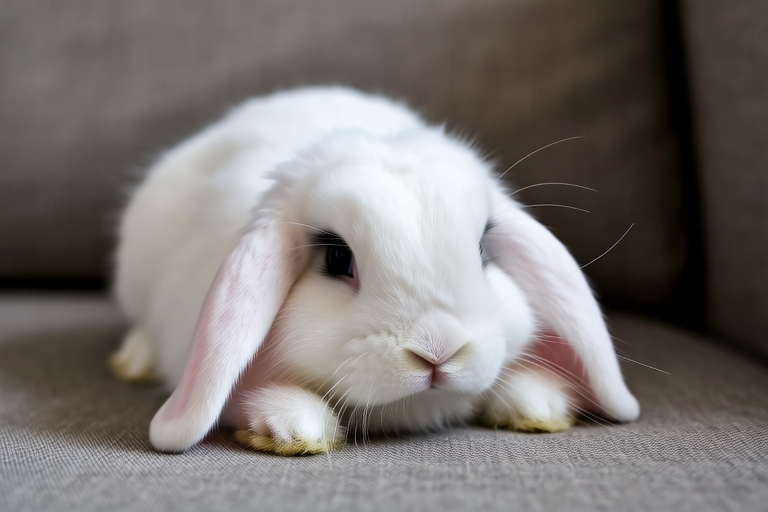
Hotot Rabbits: A Complete Guide for Potential Owners
Introduction to Hotot Rabbits
The Hotot is a breed of domestic rabbit known for its striking appearance and unique coat pattern. Originating in France at the beginning of the 20th century, the Hotot was developed by Eugenie Bernhard. She aimed to create a pure white rabbit with black rings around its eyes, resembling the eyes of an owl. The breed’s name comes from the town of Hotot-en-Auge, where it was developed.
Hotot rabbits are medium-sized, typically weighing between 4 to 6 pounds. They have a dense, short fur that is predominantly white, with distinct black or blue rings around their eyes. This eye-ring pattern is one of the most recognizable features of the Hotot rabbit.
Temperament and Behavior
Hotot rabbits are generally calm and docile, making them excellent pets for families and first-time rabbit owners. They are curious and intelligent animals that enjoy interaction with their human companions. However, they can be somewhat shy and may take time to warm up to new people. Providing them with a safe and comfortable environment will help them feel secure and more likely to engage with you.
These rabbits are active during the day and night, so they need plenty of stimulation to keep them mentally and physically healthy. They are social creatures and thrive when given attention and playtime.
Dietary Needs and Feeding Tips
Hotot rabbits require a balanced diet to maintain their health and vitality. Their diet should consist primarily of hay, which provides essential fiber for their digestive system. Fresh water should always be available, as dehydration can quickly become a serious issue.
In addition to hay, offer a limited amount of pellets specifically formulated for rabbits. These pellets should be high in fiber and low in calories to prevent obesity. Fresh vegetables can also be provided in moderation, but avoid those that could cause digestive upset, such as iceberg lettuce.
Treats should be given sparingly, as too many can lead to weight gain and dental problems. If treats are given, opt for healthy options like fresh herbs or small pieces of fruit.
Housing Requirements
Hotot rabbits need a spacious and secure living area that allows them to move freely and exercise. An indoor hutch is preferable, especially if you live in a climate with extreme temperatures. The hutch should be large enough to accommodate a litter box, food and water dishes, and a sleeping area.
Environmental considerations include proper ventilation, temperature control, and protection from drafts. Place the hutch in a quiet corner of your home, away from direct sunlight and excessive noise. Ensure the floor of the hutch is covered with bedding material, such as straw or shredded paper, to provide comfort and absorb waste.
Grooming and Hygiene Practices
Hotot rabbits have a short, dense coat that requires minimal grooming. Regular brushing with a soft-bristled brush can help remove loose hair and prevent matting. Pay special attention to the area around the eyes, as this can become dirty or matted due to the proximity of the eye-rings.
Trimming nails is another important aspect of grooming. Long nails can cause discomfort and affect the rabbit’s ability to walk properly. Use nail clippers designed for small animals and be careful not to cut the quick, which contains blood vessels and nerves.
Regular cleaning of the hutch and litter box is necessary to maintain good hygiene and prevent odor. Spot clean daily and perform a thorough cleaning weekly, replacing bedding and disinfecting surfaces as needed.
Health Issues Common to Hotot Rabbits and Preventive Care Measures
Like all breeds, Hotot rabbits are prone to certain health issues. Common conditions include dental problems, respiratory infections, and digestive disorders. Regular veterinary check-ups are crucial for early detection and treatment of these issues.
To prevent health problems, ensure your rabbit has a balanced diet, access to fresh water, and a clean living environment. Avoid sudden changes in diet and monitor your rabbit’s eating habits for signs of illness. Provide plenty of hay to promote healthy digestion and wear down teeth, which grow continuously throughout a rabbit’s life.
Exercise and Activity Needs
Hotot rabbits are active and require regular exercise to stay healthy. In addition to providing a spacious hutch, allow your rabbit supervised time outside its enclosure each day. A safe, enclosed area, such as a bunny-proofed room or outdoor pen, allows your rabbit to explore and stretch its legs.
Interactive toys and activities, such as tunnels, balls, and chew toys, can stimulate your rabbit’s mind and prevent boredom. Rotate toys periodically to keep things interesting and engaging.
Breeding Information
If you’re interested in breeding Hotot rabbits, it’s important to understand the basics. Hotot rabbits reach sexual maturity at around 4 to 6 months of age. Breeding should only be done by experienced breeders who are knowledgeable about genetics and responsible for the welfare of both parents and offspring.
Pregnancy lasts approximately 31 days, and litters typically range from 4 to 8 kits. Newborn kits are born hairless and blind, requiring warmth and care until they are weaned at about 6 weeks old.
Tips for Choosing a Hotot Rabbit from a Reputable Breeder
When selecting a Hotot rabbit, choose a reputable breeder who prioritizes the health and well-being of their animals. Look for breeders who participate in shows and have positive reviews from previous customers.
Ask about the rabbit’s lineage, health history, and any genetic predispositions to diseases. Inspect the rabbit for signs of good health, such as clear eyes, clean ears, and a well-groomed coat. Spend time with the rabbit to observe its temperament and ensure it is friendly and sociable.
Advice on Integrating a New Hotot Rabbit into a Home with Existing Pets
Introducing a new Hotot rabbit to your household requires patience and careful planning. Start by creating a separate space for the new rabbit, allowing it to acclimate to its new surroundings. Gradually introduce the new rabbit to other pets under supervision, ensuring that interactions are positive and stress-free.
Monitor interactions closely and be prepared to intervene if conflicts arise. Introduce new scents, such as toys or bedding, to help familiarize the new rabbit with the existing pets. Allow plenty of time for gradual integration, and seek professional advice if needed.
Resources for Further Learning About Hotot Rabbits
To deepen your knowledge about Hotot rabbits, consider joining local or online rabbit clubs and forums. These communities offer valuable insights, resources, and support for new and experienced owners alike.
Books and articles written by experts in rabbit care provide detailed information on breeding, health, and behavior. Attend workshops or seminars hosted by veterinarians or experienced breeders to learn practical skills and stay updated on the latest developments in rabbit care.
