Samoyed Smiles: Unraveling the Mystery Behind Their Happy Expressions
Welcome to the world of Samoyeds, a breed known for their striking white coats and infectious smiles. These dogs have captured the hearts of many with their perpetual grins, which can be both charming and puzzling. In this article, we will explore the genetics, behavior, and history that contribute to the Samoyed’s happy expressions. We’ll also delve into how their smiles impact human interaction and provide tips for potential owners on keeping these delightful dogs healthy and happy.
The Samoyed Breed: A Brief Introduction
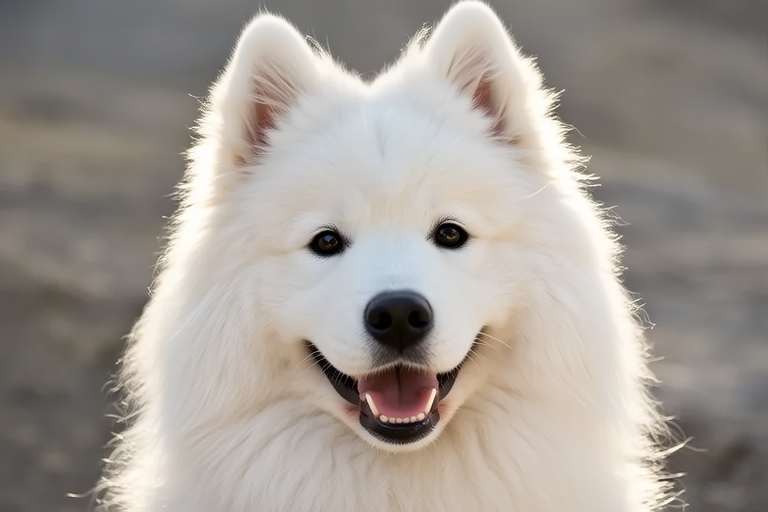
The Samoyed breed hails from Siberia, where they were used by the Samoyede people for herding reindeer, pulling sleds, and protecting livestock. Known for their striking white double coats, these dogs have a unique appearance that sets them apart from other breeds. One of their most distinguishing features is their signature smile, often referred to as the “Sammy grin.”
This grin is not just a cosmetic feature; it plays a significant role in the breed’s appeal. The Samoyed’s smile is characterized by their upturned lips and visible teeth, creating a look that seems almost permanently joyful. This characteristic has made them one of the most popular breeds among families and individuals looking for a companion dog.
The Genetic Basis of the Samoyed Smile
The Samoyed’s smile is primarily due to their genetic makeup. Breeding over generations has resulted in a specific facial structure that leads to this unique expression. The breed’s distinctive appearance is largely due to a mutation in the gene responsible for producing melanin, the pigment that gives color to skin and fur. This mutation causes the Samoyed’s coat to be predominantly white while contributing to the black nose and eye rims that contrast so well with their bright, smiling face.
Additionally, the breed’s facial muscles are structured in such a way that the corners of their mouths tend to curl upwards, creating the illusion of a permanent smile. This genetic trait is not just aesthetically pleasing but also serves a functional purpose. The shape of their face helps protect their eyes from the harsh conditions of their native environment, reducing snow blindness and providing better peripheral vision.
Behavioral Reasons Behind the Samoyed Smile
Beyond genetics, the Samoyed’s smile is also influenced by their behavior and temperament. These dogs are known for their friendly and outgoing nature, traits that are reflected in their facial expressions. Their tendency to smile is often linked to their natural curiosity and playfulness, as well as their desire to interact with humans and other animals.
Samoyeds are social creatures that thrive on companionship. They enjoy being part of a family and are known for their loyalty and affectionate nature. Their smile is often a reflection of their contentment and joy when interacting with loved ones. This breed’s history as working dogs has instilled in them a strong sense of cooperation and teamwork, which translates into their friendly demeanor and positive attitude towards others.
The Connection Between Smile and Temperament
The Samoyed’s smile is closely tied to their temperament, making them excellent family pets. Their friendly disposition and willingness to please make them highly trainable and responsive to commands. This breed is particularly good with children and other pets, thanks to their gentle and patient nature.
Their history as working dogs has contributed significantly to their temperament. Originally bred to herd reindeer and pull sleds, Samoyeds were required to work alongside humans and other animals in a cooperative manner. This history has shaped their innate desire to please and their ability to form strong bonds with their handlers. As a result, they are often described as loyal, intelligent, and hardworking dogs.
The Impact of the Samoyed Smile on Human Interaction
The Samoyed’s smile has a profound effect on human interaction, often making them the center of attention wherever they go. Their friendly and approachable demeanor, combined with their distinctive appearance, makes them a favorite among dog lovers. Many people find the Samoyed’s smile to be contagious, and it’s not uncommon for strangers to stop and comment on the breed’s cheerful countenance.
Moreover, the Samoyed’s smile can help alleviate stress and anxiety in people. Studies have shown that interacting with dogs can lower blood pressure and reduce feelings of loneliness. The Samoyed’s friendly disposition and constant smile can provide emotional support and companionship, making them ideal therapy dogs or emotional support animals.
Tips for Potential Owners
If you’re considering adding a Samoyed to your family, there are several things to keep in mind to ensure their happiness and health. First and foremost, these dogs require regular exercise to stay fit and healthy. Their history as working dogs means they have high energy levels and need plenty of opportunities to burn off that energy through activities like running, hiking, and playing fetch.
In addition to physical activity, Samoyeds also benefit from mental stimulation. Providing them with puzzles, training sessions, and interactive toys can help keep their minds sharp and prevent boredom. It’s important to remember that these dogs are social creatures and thrive on companionship. They do best in homes where they are treated as part of the family and given ample time to interact with their human companions.
Caring for a Samoyed’s coat is another crucial aspect of ownership. Their thick, white double coat requires regular grooming to prevent matting and tangling. Brushing them at least once a week, and more frequently during shedding season, will help maintain their coat’s health and appearance. Additionally, regular baths and dental care are essential to keep their coat and teeth in top condition.
Maintaining Happiness and Health
To keep your Samoyed smiling and healthy, it’s important to provide them with a balanced diet and plenty of fresh water. Feeding them high-quality dog food that meets their nutritional needs will help them maintain their energy levels and overall health. Regular veterinary check-ups and vaccinations are also essential to ensure they remain in good health.
Finally, socialization is key to raising a well-adjusted Samoyed. Exposing them to different environments, people, and other animals from a young age will help them develop into confident and friendly adults. This will also help prevent any behavioral issues that may arise if they become overly shy or aggressive.
In conclusion, the Samoyed’s smile is more than just a cosmetic feature; it reflects their friendly and outgoing nature, which has been shaped by centuries of breeding and their history as working dogs. Their smile has a profound impact on human interaction, making them beloved companions and therapy dogs. By following these tips, potential owners can ensure that their Samoyed remains happy, healthy, and full of life for years to come.
