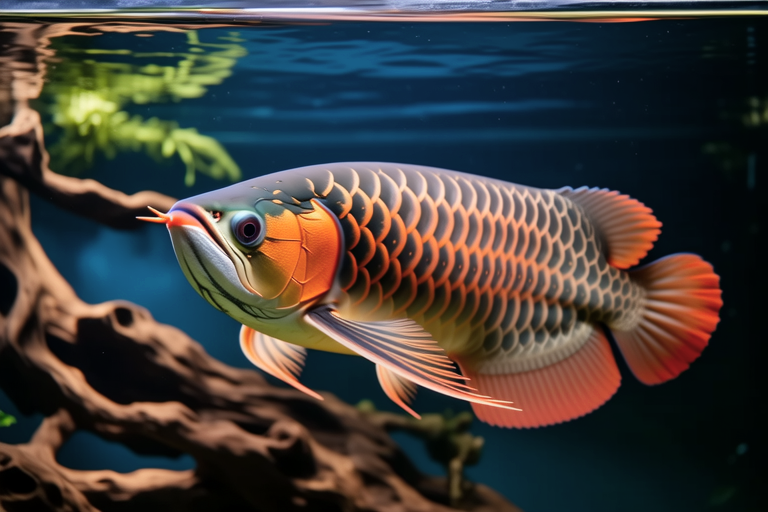
From Amazon to Aquarium: The Journey of an Arowana
The arowana, often referred to as the dragon of the waters, is one of the most majestic and enigmatic creatures in the aquatic world. Native to the vast, winding rivers of the Amazon basin, this ancient fish has captivated human imagination for centuries. With its sleek, elongated body, shimmering scales, and powerful tail, the arowana exudes an air of royalty that is hard to ignore. This article will take you on a journey from the heart of the Amazon to the controlled environment of an aquarium, exploring the life of the arowana and the challenges it faces along the way.
The Majesty of the Amazon Basin
The Amazon River, the largest river by discharge volume of water in the world, is home to countless species of fish, including the arowana. These freshwater giants can grow up to three feet long and weigh over 20 pounds. Their habitat consists of slow-moving, murky waters filled with dense vegetation, which provides both cover and food. The Amazon’s biodiversity is unparalleled, offering a rich tapestry of life for the arowana to thrive in.
Arowanas are known for their ability to leap out of the water to catch prey, making them apex predators in their environment. They have sharp teeth designed for tearing flesh and a unique respiratory system that allows them to breathe air directly from the surface. This adaptation is crucial for survival in oxygen-depleted waters, common in the Amazon during the dry season.
Challenges in the Wild
Despite their formidable presence, arowanas face numerous challenges in their natural habitat. Predation is one of the primary threats they encounter. Large crocodiles, caimans, and even some species of birds pose significant danger. Additionally, the introduction of invasive species into the Amazon has further complicated the ecosystem, putting additional pressure on native species like the arowana.
Environmental changes, such as deforestation and pollution, also impact the arowana’s survival. Deforestation leads to increased sedimentation in the rivers, reducing water clarity and affecting the availability of prey. Pollution from agricultural runoff and industrial waste can harm the fish directly or contaminate their food sources. Climate change, with its unpredictable weather patterns, exacerbates these issues, making the Amazon a less hospitable place for many species.
The Capture and Transport Process
Capturing arowanas for aquariums is a delicate operation that requires expertise and care. Fishermen must navigate the treacherous waters of the Amazon, often using traditional methods such as nets or traps. Once caught, the arowanas are carefully transferred to holding tanks where they undergo a period of quarantine to ensure they are healthy and free from parasites or diseases.
Transporting these delicate creatures involves maintaining optimal water conditions, ensuring that the pH levels, temperature, and oxygen levels remain stable throughout the journey. Specialized containers equipped with filters and oxygenators are used to minimize stress and prevent injury. This meticulous attention to detail is crucial for the arowana’s well-being, as any disruption in their environment could lead to illness or death.
Adapting to the Aquarium Environment
When an arowana arrives at its new home, it faces the challenge of adapting to a controlled aquarium setting. The first step in this process is dietary adjustment. In the wild, arowanas feed on a variety of live prey, including insects, small fish, and crustaceans. In captivity, owners must replicate this diet as closely as possible using high-quality pellets and frozen foods. Feeding schedules need to be carefully managed to avoid overfeeding, which can lead to obesity and health problems.
Social behavior is another important aspect of the arowana’s adaptation. While they are generally solitary in the wild, they can coexist peacefully with other large, non-aggressive fish in an aquarium setting. However, it is essential to provide ample space and hiding spots to reduce stress and territorial disputes. Arowanas are sensitive to their surroundings, and a poorly designed tank can lead to behavioral issues.
Maintaining water quality is paramount for the arowana’s health. Regular water changes, proper filtration, and monitoring of key parameters such as ammonia, nitrite, and pH levels are necessary to ensure a clean and stable environment. High-tech equipment, such as protein skimmers and reverse osmosis systems, may be required to achieve the pristine conditions these fish demand.
The Role of Aquarium Owners
As the keepers of these magnificent creatures, aquarium owners bear a significant responsibility for the well-being of their arowanas. Proper care and maintenance are essential not only for the health of individual fish but also for the preservation of the species as a whole. By providing a suitable environment and diet, owners contribute to the overall success of captive breeding programs, which play a vital role in conserving endangered species.
Conservation efforts in the wild are equally important. Organizations dedicated to protecting the Amazon rainforest and its inhabitants work tirelessly to combat deforestation, pollution, and illegal fishing. Supporting these initiatives through donations, volunteer work, or simply raising awareness can make a difference in the fight against extinction. As consumers, choosing sustainably sourced fish and products helps promote ethical practices in the aquarium trade.
A Call to Action
The journey of an arowana from the Amazon to an aquarium is a testament to the resilience and adaptability of nature. From facing predators and environmental changes to thriving in a controlled setting, these fish embody the spirit of survival. As we continue to explore and appreciate the wonders of the natural world, it is our duty to protect and preserve the ecosystems that sustain them.
By embracing sustainable practices and supporting conservation efforts, we can ensure that future generations have the opportunity to marvel at the majesty of the arowana and other incredible creatures. Let us strive to be responsible stewards of the Earth, recognizing the interconnectedness of all living things and the delicate balance that sustains life on our planet.
