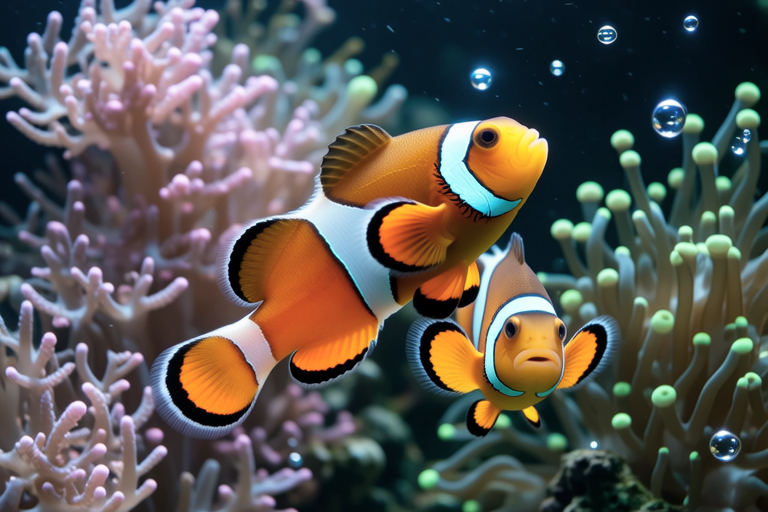
Clownfish in Captivity: Behavior, Habits, and Care
Clownfish, also known as anemonefish, are among the most popular aquarium fish due to their vibrant colors and fascinating behavior. In the wild, they live in symbiotic relationships with sea anemones, providing mutual benefits. However, when kept in captivity, these behaviors can be both preserved and altered depending on the environment provided. This article delves into the social structures, feeding patterns, mating rituals, and environmental influences on clownfish behavior. Additionally, it addresses common misconceptions about their care and provides insights into creating optimal living conditions for these captivating marine creatures.
Social Structures
Clownfish exhibit a well-defined social hierarchy within their groups. Typically, a single breeding pair dominates the group, with one female and one male. Below this pair, there is usually a non-reproductive male and several smaller, immature individuals. The dominant female is the largest member of the group, while the dominant male is the second-largest. If the dominant female dies, the dominant male will change sex to become the new female, ensuring the continuation of the species.
Studies have shown that clownfish can recognize individual members of their group and respond differently to them based on their social rank. For example, researchers at the University of Queensland found that clownfish can distinguish between dominant and subordinate individuals within their group and adjust their behavior accordingly. This ability to recognize social hierarchies helps maintain stability within the group.
Feeding Patterns
In the wild, clownfish primarily feed on zooplankton, algae, and small invertebrates. However, in captivity, their diet can be supplemented with commercial foods such as flakes, pellets, and frozen or freeze-dried foods. It is essential to provide a balanced diet rich in protein and nutrients to ensure optimal health.
A study published in the Journal of Experimental Marine Biology and Ecology revealed that clownfish preferentially consume certain types of food over others. They showed a strong preference for brine shrimp, followed by mysid shrimp and then flake food. This preference indicates that live or frozen foods are more appealing to clownfish than dry alternatives. Therefore, incorporating live or frozen foods into their diet can enhance their feeding experience and overall well-being.
Mating Rituals
Clownfish reproduce through external fertilization, where the female releases her eggs and the male fertilizes them. The breeding pair prepares a nesting site, typically on a flat surface near their host anemone, and the female lays several hundred eggs. The male then guards and aerates the eggs until they hatch, usually after six to ten days.
Research conducted by the Smithsonian Tropical Research Institute highlighted the importance of the male’s role in egg care. Males are highly attentive parents, fanning the eggs with their fins to increase water flow and oxygenation. They also remove any debris or fungi that may harm the developing embryos. This level of parental investment underscores the significance of the male’s contribution to the reproductive process.
Environmental Factors
The environment plays a crucial role in shaping clownfish behavior. Water quality, temperature, and lighting are critical factors that can influence their activity levels, feeding patterns, and overall health. Clownfish thrive in water temperatures ranging from 74°F to 82°F (23°C to 28°C) and prefer a pH level between 8.1 and 8.4. Maintaining stable water parameters is essential for their well-being.
Lighting also affects clownfish behavior. In the wild, they experience natural day-night cycles, which regulate their circadian rhythms. Providing a consistent light schedule in captivity can help maintain their biological clock. A study published in the journal Zoology demonstrated that clownfish exposed to irregular lighting schedules exhibited stress-related behaviors, including reduced feeding and increased aggression. Therefore, establishing a regular lighting routine is vital for their psychological health.
Common Misconceptions
One common misconception about clownfish care is that they require a host anemone to survive in captivity. While it is true that clownfish have a symbiotic relationship with sea anemones in the wild, they can thrive without them in aquarium settings. In fact, keeping an anemone in a home aquarium can be challenging due to the specific water conditions and space requirements needed to maintain its health.
Another misconception is that all clownfish are aggressive towards other tank mates. While some clownfish species can display territorial behavior, especially when defending their nest or territory, many species are relatively peaceful and can coexist with other fish. It is essential to research the specific species you plan to keep and understand their temperament before introducing them to your aquarium.
Creating Optimal Living Conditions
To create optimal living conditions for clownfish, it is important to consider several factors. First, provide ample swimming space; a minimum tank size of 30 gallons is recommended for a single clownfish, with additional space required for multiple individuals. Ensure that the tank has hiding spots and structures, such as rocks or caves, to mimic their natural habitat and reduce stress.
Water quality is paramount for clownfish health. Regularly test and monitor water parameters, including ammonia, nitrite, nitrate, pH, and temperature. Perform partial water changes weekly to maintain clean water and remove waste products. Additionally, use a high-quality filter system to ensure proper water circulation and filtration.
Feeding clownfish a varied diet is essential for their nutritional needs. Offer a mix of live, frozen, and commercial foods to ensure they receive a balanced intake of proteins and nutrients. Avoid overfeeding, as excess food can lead to poor water quality and obesity. Feed them twice daily, providing only what they can consume within a few minutes.
Finally, establish a consistent lighting schedule to promote healthy circadian rhythms. Provide 8-12 hours of light per day, mimicking natural daylight cycles. Use full-spectrum LED lights or fluorescent bulbs designed for marine aquariums to ensure proper color rendering and plant growth.
Conclusion
Clownfish in captivity offer a unique opportunity to observe and appreciate these fascinating marine creatures up close. By understanding their social structures, feeding patterns, mating rituals, and environmental influences, we can better care for them and provide optimal living conditions. Addressing common misconceptions about their care and implementing best practices can lead to healthier, happier clownfish in our aquariums. With proper attention to detail, these colorful fish can thrive and bring joy to aquarium enthusiasts for years to come.
