5 Myths Debunked About Red-Eared Slider Care
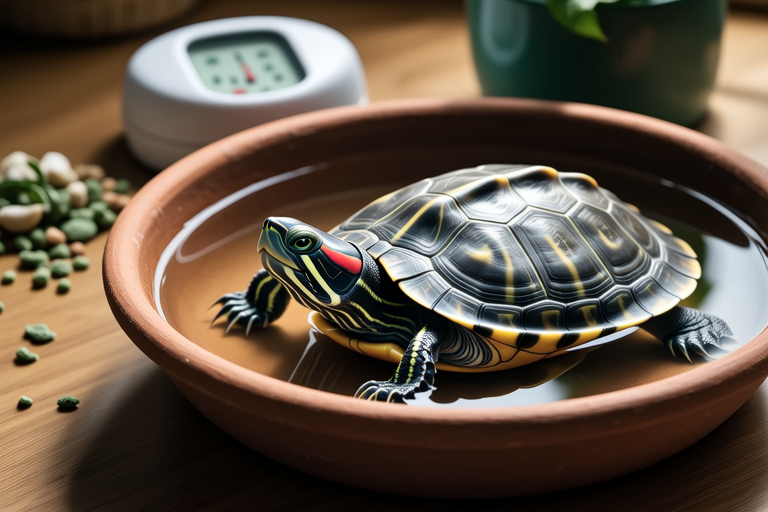
Red-eared sliders (Trachemys scripta elegans) are among the most popular turtle species kept as pets. Known for their distinctive red patches behind their eyes, these semi-aquatic turtles are native to the southern United States and northern Mexico. Their popularity stems from their relatively low maintenance, vibrant appearance, and the fact that they can live for several decades when cared for properly. However, many myths surround their care, often leading to misinformation and improper husbandry. This article aims to debunk five of the most common myths about red-eared slider care, providing you with accurate information to ensure your pet’s well-being.
Myth 1: Red-Eared Sliders Don’t Need Much Space
Myth: Many believe that red-eared sliders can thrive in small tanks or bowls, making them ideal for apartment living. This misconception leads to inadequate setups that compromise the turtles’ health.
Debunking: Red-eared sliders are active creatures that require ample space to swim and bask. A juvenile slider should have at least 10 gallons of water per inch of shell length. As they grow, this requirement increases dramatically. An adult slider requires a minimum of 80 gallons of water, with additional land area for basking. The tank should be equipped with a strong filtration system to maintain water quality and prevent ammonia buildup. A UVB light source is also essential for vitamin D synthesis, crucial for calcium absorption and bone health.
Proper care tip: Invest in a spacious tank with adequate filtration and lighting to ensure your turtle has room to move and thrive.
Myth 2: Red-Eared Sliders Can Eat Anything
Myth: Some owners think red-eared sliders can eat whatever food is available, including processed human foods like bread or pizza. This belief can lead to nutritional deficiencies and obesity.
Debunking: Red-eared sliders are omnivores with specific dietary needs. Their diet should consist primarily of commercial turtle pellets, supplemented with fresh vegetables and occasional protein sources such as earthworms or fish. Avoid feeding them processed human foods, which lack essential nutrients and can cause digestive issues. Juveniles need more protein than adults, who require a higher proportion of plant matter. Feeding them every other day is generally sufficient; overfeeding can lead to obesity and health problems.
Proper care tip: Provide a balanced diet rich in nutrients, tailored to your turtle’s age and stage of development.
Myth 3: Red-Eared Sliders Can Survive Without a Basking Spot
Myth: There’s a common belief that red-eared sliders only need water and can survive without a dry area to bask. This myth overlooks the importance of basking for thermoregulation and overall health.
Debunking: Basking is crucial for red-eared sliders, as it allows them to regulate their body temperature and dry off, preventing skin infections. A proper basking spot should include a heat lamp providing UVB radiation and a flat, easily accessible platform. The temperature under the basking spot should range between 85°F and 95°F (29°C to 35°C). Without a basking area, turtles may develop metabolic bone disease due to poor calcium absorption, leading to deformities and weakened shells.
Proper care tip: Always provide a well-designed basking area with appropriate temperature and UVB lighting.
Myth 4: Red-Eared Sliders Are Low-Maintenance Pets
Myth: Some potential owners consider red-eared sliders low-maintenance pets, thinking they require minimal attention once set up. This misconception can lead to neglect and improper care.
Debunking: While red-eared sliders are hardy animals, they still require regular care and maintenance. Regular water changes, thorough cleaning of the tank, and monitoring of water parameters are necessary to keep them healthy. Additionally, routine health checks and veterinary visits are important to catch any potential issues early. Proper care includes monitoring for signs of illness, such as lethargy, loss of appetite, or unusual behavior. Providing a stimulating environment with hiding spots, toys, and enrichment activities can also enhance their quality of life.
Proper care tip: Regular maintenance and health checks are vital for keeping your turtle healthy and happy.
Myth 5: Red-Eared Sliders Can Be Released into the Wild if They Become Unwanted
Myth: There’s a prevalent notion that releasing unwanted red-eared sliders into local ponds or rivers is an acceptable solution. This belief can have serious ecological consequences.
Debunking: Releasing pet red-eared sliders into the wild is illegal and harmful. These turtles can become invasive species, outcompeting native wildlife for resources and potentially spreading diseases. Moreover, they may not survive in unfamiliar environments. If you find yourself unable to care for your turtle, consider finding a reputable rescue organization or rehoming facility. Responsible pet ownership means being committed to the animal’s well-being throughout its lifespan.
Proper care tip: Always plan for the long-term commitment of owning a red-eared slider before bringing one home.
Conclusion: Responsible Pet Ownership
Owning a red-eared slider can be a rewarding experience, but it comes with significant responsibilities. By understanding and addressing the common myths surrounding their care, you can ensure your turtle lives a healthy and fulfilling life. Remember, proper care involves providing adequate space, a balanced diet, a suitable basking area, regular maintenance, and ongoing commitment. For further learning, consider joining reptile forums, attending workshops, or consulting with experienced herpetologists. With the right knowledge and dedication, you can provide your red-eared slider with everything it needs to thrive.
