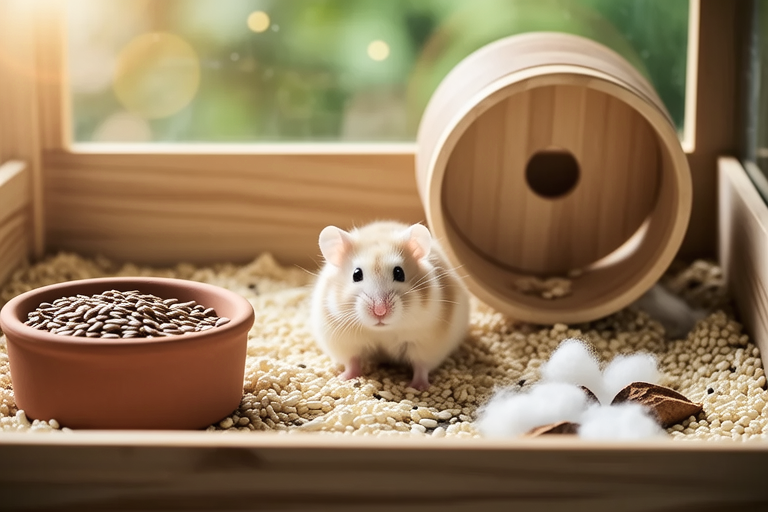
How to Create the Perfect Hamster Habitat for Your Little Friend
Welcome to the wonderful world of hamster ownership! These small, adorable creatures can bring immense joy into your home. However, it’s important to remember that creating a suitable habitat for your little friend is crucial for their health and happiness. This guide will walk you through the steps necessary to establish a safe, comfortable, and enriching environment for your hamster.
Selecting the Right Cage
The first step in creating the perfect hamster habitat is choosing an appropriate cage. The cage should be large enough to allow your hamster ample space to move around, explore, and play. A general rule of thumb is that the cage should be at least three times the length of your hamster when they are stretched out. For dwarf hamsters, a minimum of 24 inches in length is recommended, while Syrian hamsters need a cage that’s at least 36 inches long.
When selecting a cage, consider the type of enclosure. Wire cages with a solid base are often preferred because they provide excellent ventilation and prevent bedding from spilling out. Avoid cages with bars that are too wide, as hamsters can squeeze through them and escape. Glass aquariums or plastic cages can also work well if they have adequate ventilation. Make sure the lid is secure and provides proper airflow.
Choosing the Best Bedding Material
Bedding plays a vital role in keeping your hamster cozy and comfortable. Opt for bedding made from natural fibers like shredded paper, wood shavings, or recycled paper products. Avoid cedar and pine shavings, as they contain oils that can irritate your hamster’s respiratory system. Additionally, stay away from fluffy bedding materials like cotton or wool, as these can cause health issues if ingested by your hamster.
Hamsters tend to burrow, so provide several inches of bedding material to accommodate this behavior. Change the bedding regularly to maintain hygiene and freshness. Aim to clean the entire bedding once a week and spot-clean daily to remove any waste or soiled areas.
Toys and Accessories
Enrichment is key to keeping your hamster mentally stimulated and physically active. Provide a variety of toys and accessories to keep your pet entertained. Chew toys, tunnels, and hammocks are great additions to your hamster’s habitat. Be mindful of the materials used in these items; avoid anything with sharp edges or toxic substances. Rotate toys periodically to prevent boredom and encourage exploration.
In addition to toys, consider adding accessories like food dishes, water bottles, and ladders. These items not only serve practical purposes but also add visual interest to the cage. Ensure that all items are securely attached and cannot be knocked over easily.
Hiding Spots and Comfort Zones
Hamsters are naturally nocturnal and prefer to sleep during the day. To mimic their natural environment, provide a cozy hideaway where your hamster can retreat and feel safe. Small cardboard boxes, ceramic pots, or specially designed hamster houses make excellent hiding spots. Place the hideaway in a quiet corner of the cage to minimize disturbances.
Comfort zones are also essential for your hamster’s well-being. These areas should be soft and inviting, encouraging your pet to relax and rest. You can create these zones using additional bedding materials or by placing soft towels or fleece inside the hideaway.
Exercise Wheels and Running Space
Exercise is crucial for maintaining your hamster’s physical health and mental well-being. An exercise wheel is an essential accessory for any hamster habitat. Choose a wheel with a solid surface to prevent your hamster’s feet from getting caught between the bars. The diameter of the wheel should be at least twice the length of your hamster when fully extended.
In addition to the exercise wheel, ensure there is enough open space within the cage for your hamster to run around and stretch. Encourage movement by placing toys and accessories at varying heights and distances, promoting exploration and physical activity.
Proper Ventilation and Temperature Control
Adequate ventilation is critical for maintaining a healthy living environment for your hamster. Ensure that the cage has sufficient air circulation to prevent the buildup of ammonia and other harmful gases. If using a wire cage, make sure there are no gaps where bedding can escape or where drafts can enter.
Temperature control is equally important. Hamsters thrive in environments with moderate temperatures between 65°F and 75°F (18°C and 24°C). Avoid placing the cage near direct sunlight, drafts, or heat sources. Monitor the temperature regularly, especially during extreme weather conditions, to ensure your hamster remains comfortable.
Establishing a Cleaning Schedule
Maintaining cleanliness is paramount to your hamster’s health. Develop a regular cleaning routine to keep the cage free from dirt, waste, and odors. Clean the entire cage thoroughly every one to two weeks, removing all bedding and accessories. Disinfect the cage and its components using a mild, pet-safe cleaner. Rinse thoroughly and allow everything to dry completely before replacing the bedding and toys.
Spot-clean daily by removing soiled bedding and replacing it with fresh material. Check the water bottle and food dishes frequently, washing them when necessary to prevent bacterial growth. Regular cleaning not only keeps your hamster’s habitat clean but also helps you monitor their health and behavior.
Dietary Considerations
Providing a balanced diet is essential for your hamster’s overall health. Commercially available hamster mixes offer a good starting point, containing a blend of seeds, grains, and pellets. Supplement this diet with fresh vegetables and fruits, ensuring a varied intake of vitamins and minerals. Offer small amounts of treats like carrots, broccoli, or apples, but avoid feeding too many sugary foods.
Ensure access to clean, fresh water at all times. Water bottles are preferable to bowls, as they reduce the risk of contamination and spillage. Check the water level daily and clean the bottle weekly to prevent the buildup of bacteria.
Safety First: Preventing Common Hazards
While creating an enriching environment for your hamster, it’s crucial to prioritize safety. Avoid placing the cage in high-traffic areas where it could be accidentally knocked over. Secure the cage lid to prevent escapes and ensure that all accessories are stable and cannot be toppled.
Be cautious with the placement of chewable items. While hamsters enjoy chewing, ensure that any toys or accessories are safe and free from harmful chemicals. Regularly inspect the cage and its contents for signs of wear and tear, replacing any damaged items promptly.
Final Thoughts
Creating the perfect hamster habitat requires careful consideration of your pet’s needs for safety, comfort, and enrichment. By selecting the right cage, bedding, toys, and accessories, and establishing a consistent cleaning schedule, you can provide your hamster with a stimulating and secure environment. Remember to pay attention to your hamster’s behavior and adjust their habitat as needed to ensure their continued health and happiness.
With love and care, your little friend will thrive in their new home, bringing countless moments of joy and companionship into your life. Happy hamster parenting!
