The Cozy World of Scottish Folds: Cats With Hearts as Big as Their Personalities
Welcome to the enchanting world of Scottish Fold cats, where each whisker tells a story and every purr is a melody of affection. These charming felines have captured the hearts of many with their unique appearance and gentle demeanor. This article delves into the fascinating characteristics, history, and care requirements of Scottish Folds, offering a comprehensive guide for both prospective and current owners.
Unique Physical Characteristics
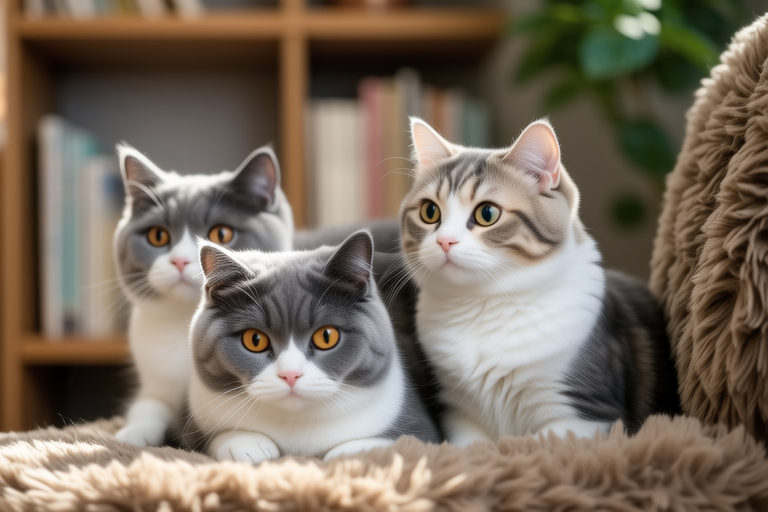
The most distinctive feature of Scottish Folds is their folded ears, which give them a striking appearance. The fold occurs due to a natural genetic mutation that causes the ear cartilage to be softer than usual. This results in the ears folding forward and downward, creating a look that has been likened to an owl or a teddy bear. Not all kittens born to Scottish Fold parents will have folded ears; some may inherit the straight-eared trait from their lineage.
Alongside their signature ears, Scottish Folds possess round faces with large, expressive eyes that seem to hold the wisdom of centuries. Their soft, plush coats come in a variety of colors and patterns, adding to their allure. The coat can be short or long-haired, depending on the individual cat’s genetics. Their compact bodies are muscular yet agile, perfectly suited for their playful and curious nature.
Gentle and Affectionate Nature
Scottish Folds are renowned for their calm and loving disposition, making them ideal companions for families and individuals alike. They are known for their gentle demeanor and tend to get along well with children and other pets. These cats enjoy being part of the family and often seek out human interaction, making them excellent lap cats. Their affectionate nature extends beyond just cuddling; they are also known to follow their owners around the house, providing constant companionship.
One of the most endearing traits of Scottish Folds is their ability to communicate through body language and vocalizations. While they are not particularly vocal compared to some breeds, they do make soft chirping sounds and can be quite talkative when they want your attention. Their communication style is subtle yet effective, making it easy for owners to understand their needs and desires.
Origins and History
The history of the Scottish Fold breed dates back to 1961 when a barn cat named Susie was discovered in Scotland. Susie had unusual folded ears, which caught the attention of her owner, William Ross. Intrigued by this rare trait, Ross began breeding Susie with local farm cats to preserve and develop the unique characteristic. Over time, the breed gained recognition and popularity, eventually becoming one of the most beloved cat breeds worldwide.
The development of the Scottish Fold breed was a collaborative effort involving various breeders who aimed to maintain the breed’s distinct appearance while ensuring good health. Today, Scottish Folds are recognized by major cat registries, including the Cat Fanciers’ Association (CFA) and The International Cat Association (TICA).
Health Considerations
While Scottish Folds are generally healthy cats, there are certain health concerns associated with their breed. One of the most significant issues is osteochondrodysplasia (OCD), a genetic disorder affecting the bones and joints. This condition can lead to arthritis and mobility problems if left untreated. Responsible breeding practices and regular veterinary check-ups can help manage and prevent these issues.
Another consideration for potential owners is the susceptibility of Scottish Folds to obesity. Due to their sedentary nature, they require a balanced diet and regular exercise to maintain a healthy weight. Providing them with a nutritious diet and engaging toys can help keep them active and prevent weight-related health problems.
Care Tips for Scottish Folds
Proper care is essential for ensuring the well-being of Scottish Folds. Here are some tips for keeping your furry friend happy and healthy:
- Dietary Needs: Feed your Scottish Fold a high-quality, balanced diet that meets their nutritional requirements. Consult with your veterinarian to determine the appropriate portion sizes and feeding schedule based on your cat’s age, weight, and activity level.
- Exercise Routines: Encourage physical activity through interactive play sessions and provide them with stimulating toys. Puzzle feeders and laser pointers are great options for keeping your cat engaged and mentally stimulated.
- Grooming Practices: Regular grooming helps maintain your cat’s coat and skin health. Brush them at least once a week to remove loose hair and prevent matting. Additionally, keep their nails trimmed and their teeth clean to prevent dental issues.
Heartwarming Stories
The bond between Scottish Folds and their human companions is truly remarkable. Many owners share stories of how their cats have become integral parts of their lives. For instance, Sarah, a single mother, adopted a Scottish Fold named Whiskers after her daughter passed away. Whiskers became an emotional support system for Sarah, providing comfort during difficult times. Another story involves a Scottish Fold named Buttons, who helped his owner recover from a serious illness by staying by his side day and night.
These heartwarming tales highlight the deep connections formed between Scottish Folds and their human families. Their loyalty, affection, and gentle nature make them cherished members of households across the globe.
In conclusion, Scottish Folds are more than just adorable cats with folded ears; they are loving companions with big hearts. By understanding their unique characteristics, history, and care requirements, you can ensure a fulfilling and joyful relationship with these special cats. Whether you’re a seasoned cat owner or considering adopting your first pet, Scottish Folds offer a world of love and companionship that will enrich your life in countless ways.
