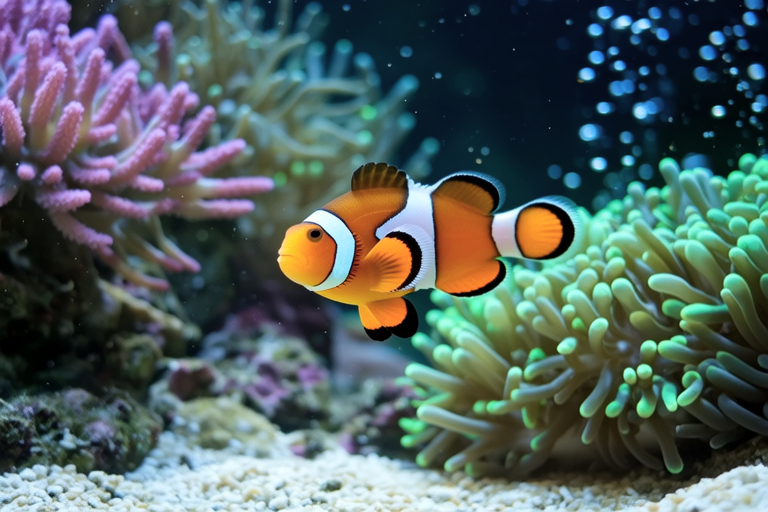
From Finding Nemo to Your Tank: Everything You Need to Know Before Getting a Clownfish
Introduction:
The release of Disney’s animated film Finding Nemo in 2003 sparked a global fascination with clownfish. These vibrant orange fish with white stripes have become one of the most recognizable and beloved marine creatures in popular culture. As a result, many aquarium enthusiasts are drawn to the idea of owning these charismatic animals. However, before bringing a clownfish into your home, it’s crucial to understand the complexities of their care and the commitment required. This comprehensive guide will walk you through everything you need to know about clownfish, from their biology to tank setup, diet, and health considerations.
Clownfish Biology
Clownfish, belonging to the genus Amphiprion, are small, hardy fish that live in symbiosis with sea anemones. They are native to the tropical waters of the Indian and Pacific Oceans. There are around thirty recognized species of clownfish, each with unique color patterns and behaviors. The most common species kept in aquariums include the Ocellaris clownfish (the one from Finding Nemo) and the Percula clownfish. Clownfish are hermaphrodites, meaning they can change sex depending on the social dynamics within their group. In a typical tank setting, the largest fish becomes the dominant female, while the second-largest turns into a male.
Ideal Tank Conditions
Creating the perfect environment for your clownfish is essential for their health and well-being. A minimum tank size of 20 gallons is recommended for a single pair of clownfish. However, if you plan to keep multiple clownfish or other marine life, a larger tank of at least 55 gallons is advisable. Clownfish thrive in temperatures ranging from 76 to 82 degrees Fahrenheit, with a pH level between 8.1 and 8.4. Proper filtration is necessary to maintain water quality, and regular water changes should be performed to ensure the tank remains clean and healthy.
While clownfish can live without anemones, providing them with a suitable substitute, such as soft corals or mushroom anemones, can enhance their habitat and reduce stress. It’s also important to provide ample hiding spots and open swimming areas within the tank. Live rock structures and caves are excellent additions for creating a naturalistic environment.
Diet Requirements
Clownfish are omnivorous, feeding on both plant matter and small invertebrates. In the wild, their diet consists of algae, plankton, and tiny crustaceans. In captivity, they can be fed a varied diet of high-quality flake food, frozen foods like brine shrimp, and occasionally, small pieces of fresh or frozen seafood. To ensure a balanced diet, it’s wise to rotate different types of food regularly. Feeding should be done two to three times daily, but only offer what the fish can consume within a few minutes to prevent overfeeding.
Compatibility with Other Species
Clownfish are generally peaceful and can coexist with a variety of other marine species. However, it’s important to consider the temperament and dietary needs of any potential tank mates. Small, non-aggressive fish like damsels and blennies can make good companions, as long as there is enough space and hiding spots available. Avoid keeping clownfish with larger, more aggressive species that might bully or compete for resources. Additionally, it’s crucial to introduce new fish gradually to minimize stress and territorial disputes.
Common Health Issues
Like all aquatic creatures, clownfish are susceptible to certain health issues. One of the most common problems is ich, a parasitic infection that causes white spots on the fish’s body. Other issues include fin rot, caused by poor water quality, and bacterial infections, often resulting from stress or injury. Regular monitoring of water parameters and maintaining a clean tank can help prevent these issues. If you notice any signs of illness, it’s best to isolate the affected fish and consult with a veterinarian specializing in aquatic animals.
Tips for Successful Clownfish Keeping
Successfully keeping clownfish requires attention to detail and a willingness to learn. Here are some practical tips to ensure your clownfish thrive:
- Research thoroughly: Before purchasing any equipment or fish, spend time researching the specific needs of clownfish and the requirements for maintaining a healthy saltwater aquarium.
- Gradual acclimation: When introducing new clownfish to your tank, allow them to acclimate slowly to avoid shock. Float the bag in the tank for 15-20 minutes, then gradually add small amounts of tank water to the bag over the next hour.
- Monitor water quality: Use test kits to regularly check the levels of ammonia, nitrite, and nitrate in your tank. Maintaining stable water parameters is key to preventing stress and disease.
- Provide enrichment: Clownfish enjoy exploring their environment. Incorporate toys, plants, and decorations to stimulate their natural behavior and keep them engaged.
Where to Responsibly Acquire a Clownfish
When selecting a clownfish for your tank, it’s important to choose reputable breeders or pet stores that prioritize ethical practices. Look for suppliers who offer captive-bred clownfish, as these are less likely to suffer from stress during transport and better adapted to aquarium life. Avoid purchasing wild-caught clownfish whenever possible, as this practice can contribute to overfishing and habitat destruction.
The Commitment Required for Their Care
Keeping clownfish is a rewarding experience, but it also requires dedication and responsibility. Aquarists must be prepared to invest time and effort into maintaining a healthy environment and addressing any health concerns promptly. Regular maintenance tasks, such as cleaning filters and performing water changes, are necessary to ensure the longevity of your fish. By educating yourself and being mindful of the needs of your clownfish, you can provide them with a happy and thriving home.
In conclusion, the journey from admiring clownfish in Finding Nemo to successfully keeping them in your own tank involves careful planning and preparation. With the right knowledge and commitment, you can enjoy the beauty and charm of these fascinating creatures for years to come. Happy fishkeeping!
