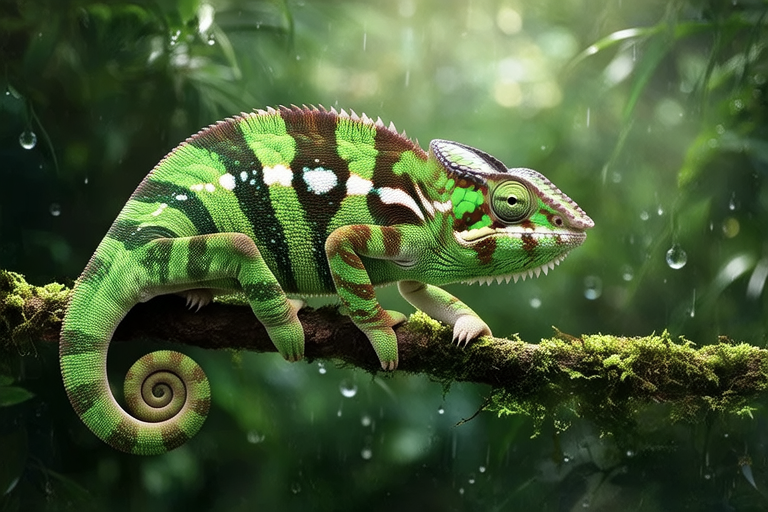
The Ultimate Guide: How to Set Up the Perfect Habitat for Your Chameleon
Chameleons are fascinating creatures that require a specific habitat to thrive. Setting up the perfect environment for your pet chameleon involves careful consideration of various factors such as enclosure size, lighting, humidity, and more. This guide will walk you through each step to ensure your chameleon lives a healthy and happy life.
Selecting the Appropriate Enclosure Size and Type
The first step in creating an ideal habitat for your chameleon is choosing the right enclosure. The size of the enclosure should be proportional to the size of your chameleon. For adult chameleons, a minimum of 36 inches wide by 36 inches deep by 48 inches high is recommended. Smaller enclosures can lead to stress and health issues. Always opt for taller enclosures over wider ones, as chameleons prefer vertical space for climbing.
When it comes to the type of enclosure, glass or screen enclosures are the most popular choices. Glass enclosures are easier to clean but can trap humidity, leading to mold growth if not properly ventilated. Screen enclosures allow better air circulation and are preferred by many chameleon owners. However, they may require additional measures to maintain proper humidity levels.
Essential Lighting Requirements: UVB, Temperature Gradients
Lighting is crucial for chameleons, as they rely on it for both warmth and the synthesis of vitamin D3. A combination of UVB and basking lights is necessary. UVB light is vital for calcium absorption and bone health. Use a full-spectrum UVB bulb with a UV index of 3.0 to 5.0, ensuring it covers at least 70% of the enclosure. Replace the bulb every six months to maintain its effectiveness.
Temperature gradients are also important. Maintain a daytime temperature gradient ranging from 75°F to 95°F (24°C to 35°C) with a basking spot of 95°F to 100°F (35°C to 38°C). At night, temperatures can drop to around 65°F to 75°F (18°C to 24°C). Use thermometers and hygrometers to monitor these conditions accurately.
Necessary Plants and Decorations for Climbing and Hiding
Providing ample climbing opportunities and hiding spots is essential for your chameleon’s mental and physical well-being. Live plants, such as ficus benjamina, pothos, and schefflera, offer both climbing surfaces and hiding places. Ensure any plants you choose are non-toxic and safe for reptiles. Artificial plants can also be used but should be cleaned regularly to prevent bacterial growth.
In addition to plants, include branches, vines, and other structures for climbing. These should be arranged vertically to encourage natural movement. Provide multiple perches at different heights and distances from the heat source to create varied temperature zones within the enclosure.
Proper Substrate Options
The choice of substrate can significantly impact your chameleon’s health. Avoid substrates like sand, gravel, or bark, which can lead to impaction if ingested. Instead, opt for a simple, non-abrasive substrate such as paper towels, reptile carpet, or coconut fiber. These substrates are easy to clean and reduce the risk of ingestion-related issues.
Humidity Levels
Maintaining appropriate humidity levels is critical for your chameleon’s respiratory and skin health. Aim for humidity between 50% and 70% during the day and slightly lower at night. Use misting systems or foggers to achieve this, and ensure there is proper ventilation to prevent stagnant air.
Feeding Stations Setup
Chameleons are insectivores and require a varied diet to stay healthy. Set up feeding stations at different heights within the enclosure to mimic their natural hunting behavior. Feed your chameleon insects such as crickets, dubia roaches, and silkworms. Dust these insects with calcium and vitamin supplements to ensure proper nutrition.
Provide water daily via a drip system or by hand misting. Chameleons rarely drink from standing water, so ensure the droplets are fresh and moving.
Regular Maintenance Tips
Regular cleaning and maintenance are essential to keep your chameleon’s enclosure healthy. Clean the enclosure weekly, removing waste and any uneaten food. Replace the substrate as needed and disinfect all surfaces with a reptile-safe cleaner. Check equipment such as lights and heating elements periodically to ensure they are functioning correctly.
Common Mistakes to Avoid
Avoid overcrowding the enclosure with too many decorations or plants, which can limit space for climbing and basking. Overfeeding can lead to obesity, while underfeeding can cause malnutrition. Always research and understand the specific needs of your chameleon species before making any changes to their habitat.
Safety Measures to Ensure a Healthy Environment for Chameleons
To ensure a safe and healthy environment, always handle your chameleon gently and with care. Avoid handling them excessively, as this can cause stress. Keep the enclosure away from drafts and direct sunlight to prevent temperature fluctuations. Regular veterinary check-ups are also recommended to monitor your chameleon’s health.
By following these guidelines, you can create a perfect habitat that supports your chameleon’s physical and psychological well-being. Remember, the key to a successful chameleon habitat lies in attention to detail and ongoing observation of your pet’s behavior and health.
