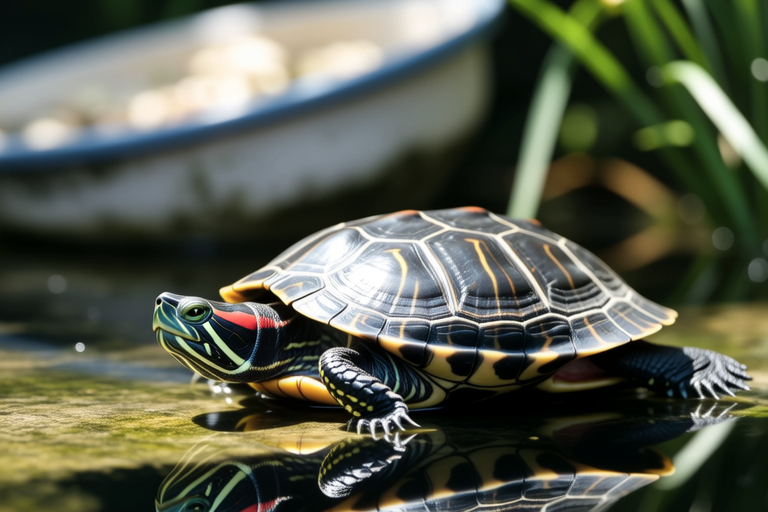
Red-Eared Slider Care Made Simple: Tips for First-Time Turtle Owners
Welcome to the wonderful world of turtle keeping! Red-eared sliders (Trachemys scripta elegans) are among the most popular pet turtles due to their vibrant colors and relatively manageable size. However, owning a red-eared slider requires a significant commitment, including proper habitat setup, diet management, and regular health checks. This guide will walk you through the essentials of red-eared slider care, helping you provide your new friend with the best possible life.
Habitat Setup: Aquatic and Basking Areas
The first step in caring for your red-eared slider is setting up its home. These turtles need both water and land areas within their tank or pond to thrive.
- Aquatic Area: Fill at least two-thirds of the enclosure with clean, dechlorinated water. The depth of the water should be around three times the length of your turtle’s shell. Ensure that the water is filtered and maintained at a temperature between 75°F and 80°F (24°C to 27°C).
- Basking Area: Provide a dry area where your turtle can bask under a UVB light source. This area should have a flat rock or platform that allows the turtle to climb out of the water easily. Maintain a basking spot temperature between 85°F and 90°F (29°C to 32°C) to aid digestion and calcium absorption.
Diet Specifics: What to Feed Your Turtle
Feeding your red-eared slider properly is crucial for its growth and overall health. A balanced diet should consist of commercial turtle pellets, fresh vegetables, and occasional protein sources like earthworms or feeder fish.
- Commercial Pellets: High-quality commercial turtle food should form the base of your slider’s diet. Look for products specifically designed for aquatic turtles, ensuring they meet all nutritional requirements.
- Vegetables: Offer leafy greens such as romaine lettuce, dandelion greens, and collard greens. Avoid iceberg lettuce as it has little nutritional value. Occasional treats of carrots or squash can also be given.
- Protein Sources: Protein should be provided sparingly. Feeder fish, earthworms, or commercial turtle sticks can be offered once or twice a week. Overfeeding proteins can lead to obesity and other health issues.
Health Care Basics: Keeping Your Turtle Healthy
Maintaining good health involves more than just feeding and housing your turtle correctly. Regular health checks and appropriate veterinary care are vital.
- Veterinary Care: Find a veterinarian who specializes in reptiles. Schedule annual check-ups to monitor your turtle’s health and catch any potential issues early.
- Water Quality: Poor water quality can lead to infections and other health problems. Use a high-quality filter and perform regular water changes. Test the water regularly for pH, ammonia, and nitrite levels.
- Shedding: Turtles shed their skin periodically. Monitor this process to ensure no pieces remain attached, which could cause irritation or infection.
Common Mistakes to Avoid
Even experienced turtle owners make mistakes. Here are some pitfalls to watch out for:
- Underestimating Space Requirements: Many owners underestimate how much space a fully grown red-eared slider needs. Plan for a larger tank or pond as your turtle grows.
- Improper Temperature Regulation: Incorrect temperatures can lead to health issues. Invest in reliable thermometers and heaters to maintain optimal conditions.
- Overfeeding: Feeding too much or too often can lead to obesity and other health complications. Stick to a regular feeding schedule and avoid overfeeding.
Tips for Creating a Stimulating Environment
To keep your turtle active and engaged, create an environment that mimics its natural habitat.
- Substrate: Use smooth, non-porous substrate in the aquatic area to prevent injury. Avoid sharp objects or gravel that could scratch your turtle’s eyes.
- Decorations: Add plants, rocks, and logs to provide hiding spots and stimulation. Ensure these decorations are secure and won’t topple over.
- Enrichment Activities: Introduce enrichment activities like floating toys or puzzles to encourage exploration and exercise.
Long-Term Commitment: What to Expect
Owning a red-eared slider is a long-term commitment. These turtles can live up to 40 years with proper care. Be prepared for the time and financial investment required to ensure your turtle’s well-being.
Remember, each turtle is unique. Pay attention to your pet’s behavior and adjust its care accordingly. With dedication and love, you can provide your red-eared slider with a happy and healthy life.
We hope this guide has helped you understand the basics of red-eared slider care. By following these tips, you’ll be well on your way to becoming a responsible and knowledgeable turtle owner. Happy turtle keeping!
